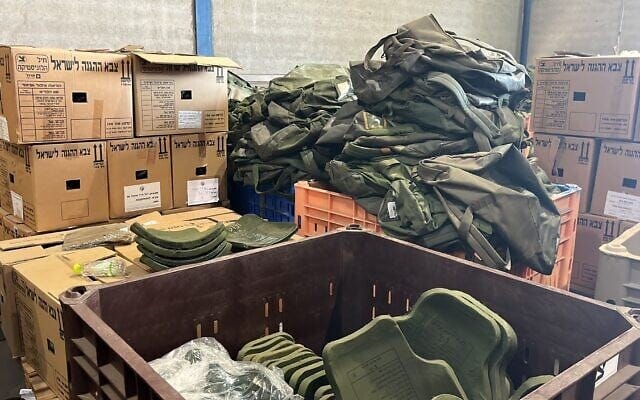
We will be publishing testimonials from soldiers about their true experiences with FIDF. Already, hundreds of active-duty soldiers and reservists are reaching out to share what’s really happening—stories that challenge the official narrative and demand to be heard.
A story is told of a boy scout who showed up late to a meeting—for the third time.
His scoutmaster confronted him: “This is your third strike. You can’t join today. You were warned.”
“I was late because I was helping an old lady with her groceries cross the road,” the boy replied.
“That’s very noble,” said the scoutmaster. “But why are you over an hour late?”
“Because,” the boy answered, “she didn’t want to cross the road.”
This story, humorous as it is, points to something deeper: the difference between what people say they are doing and what they are actually doing—and how noble intentions can be used to cover for ineffective or misplaced actions.
This brings me to the FIDF.
Why Is the FIDF Mistrusted by the Very Soldiers It Claims to Support?
As an Israeli Army reserve officer (Miluimnik) who has served more than 400 days of reserve duty since October 7th—on the front lines of the most intense operations—I’ve had hundreds of personal conversations with soldiers in active combat. Many of us share a common sentiment: deep mistrust and disappointment toward the Friends of the IDF (FIDF).
And ironically, I believe the reason for that mistrust is embedded in the very slogan the FIDF uses to justify its actions:
“We are in contact with all the generals, and they tell us what the soldiers need.”
To many, that might sound reassuring. But to us on the ground, it reveals a critical problem: a massive disconnect between the senior command and the soldiers actually fighting. The higher the rank, the bigger the gap.
We soldiers are not fighting for the generals. In many cases, we’re fighting despite them.
We are fighting for our families, for our people, for the land and for the eternity of Israel.
The FIDF, on the other hand, appears to be fighting for its own relevance—through slick marketing campaigns that often misrepresent the reality and rarely reflect what soldiers actually need.
You can almost hear their message:
“The soldiers who are risking their lives every day don’t know what they need—we’ll tell them what they need.”
---
Misallocation, Miscommunication, and Misplaced Priorities
Most of the BBQs, food donations, clothing packages, and even the little supplies that can be helpful to the front lines that have been donated through FIDF end up far from the front lines—usually at bases where senior officers are stationed.
Meanwhile, the soldiers and especially the reservists risking the most and doing the most dangerous work see little to none of this support.
The disparity is stark.
And then there’s this statement, printed on many of their materials:
“We are the sole organization authorized to collect charitable donations on behalf of the soldiers of the Israel Defense Forces.”
Who gave them this moral authority?
I certainly didn’t.
None of the soldiers I know did either.
Final Thoughts
It’s time for greater transparency accountability and more truthful advertising. If you truly want to support Israeli soldiers, speak to them directly. Ask them what they need. Trust their voices—not just those of generals or organizations with polished PR.
Noble intentions are not enough. Just like the boy scout’s story, good deeds are only meaningful when they truly serve the people they’re meant to help.
- Rav Seren E