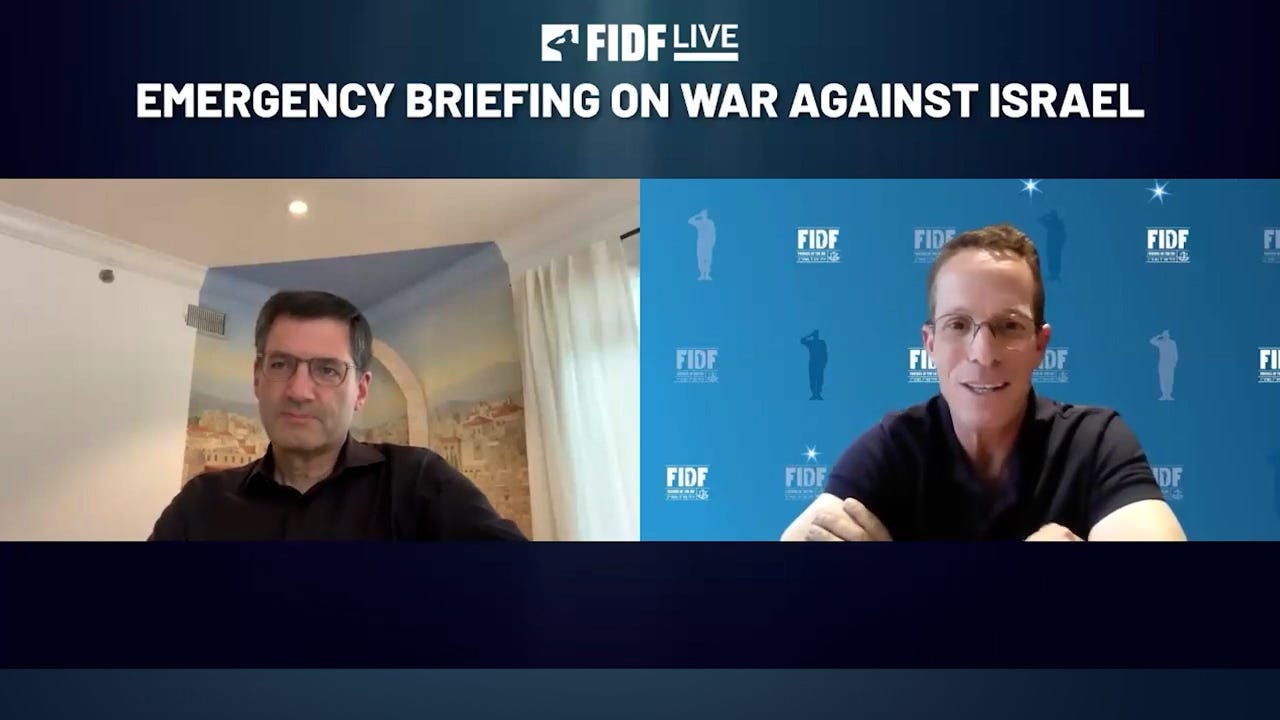
Rabbi Steven Weil’s manipulation of the facts is most clearly exposed in how he responded to the article that reference part of Nadav Padan’s military history. Rather than engaging with the substance of what was actually written, Weil constructed a false narrative, claiming the article was written “to impugn Major General Padan of not caring of his soldiers…not caring and getting soldiers killed.” But that was never implied. Not once. To be clear, the article did not suggest that Nadav Padan was indifferent to Roi Dror’s tragic death or that he didn’t care deeply about him. That is a false and unfair distortion of the words. Although Weil avoided naming the article directly, it is clear what he was responding to, and the coordinated spin has been echoed across multiple channels.
Let’s examine what I actually said:
Sergeant Roi Dror died of dehydration in June 2002 during a brutal navigation exercise in 40°C heat near Mount Arbel, while carrying 30 kilograms of gear. The drill was meant to simulate combat conditions, but it lacked critical safeguards. Dror and his partner did not receive the order to halt the exercise due to excessive heat—an order that was issued just ten minutes after they departed—because they lacked proper radio equipment. Dror, described by his family as a principled and driven soldier, had reportedly pushed himself even harder after being previously punished for exceeding time limits during another drill, despite completing his task thoroughly. His parents believe he was determined not to be penalized again, even as the conditions turned deadly.

Following a military investigation, five IDF officers were charged with negligence in Dror’s death, including Colonel Nadav Padan, who was then commander of the Duvdevan unit. In a 2007 plea bargain, all five officers were convicted and sentenced to probation. Padan, the most senior among them, was barred from promotion for two years—a punishment his lawyer called symbolic, noting that Padan had assumed command of the unit only shortly before the fatal incident. The court ruled that while Padan and his deputy were not on site, their leadership failures contributed to the tragedy.
To Dror’s grieving family, the tragedy was not simply the result of an unfortunate accident, but of systemic failure. They emphasized the mismatch between the IDF's operational demands and the poor planning and oversight that accompanied the exercise. In their telling, Roi’s death was both preventable and emblematic of a culture that penalized soldiers for exceeding expectations and tolerated equipment failures that could cost lives. “How can it be,” his mother wrote, “that this outstanding athlete, this meticulous and beloved son, died of heatstroke?”.
Fast-forward nearly two decades, and the same Nadav Padan—once convicted of negligence in the death of Sergeant Roi Dror—is appointed as the National Director of Friends of the IDF (FIDF), the official U.S. nonprofit responsible for collecting charitable donations on behalf of Israeli soldiers. In his new role, Padan was tasked with deepening ties with donors and “sharing the values and spirit of the IDF” across American communities. He was praised by FIDF leadership as a “treasure for the Jewish people” and credited with shaping the IDF over his 36-year military career.
The loss of Roi Dror during a training exercise is a profound tragedy, and there is no doubt that Padan—like many others—felt that loss personally. My focus has always been on institutional accountability and the broader challenges within FIDF and the IDF itself—not on questioning anyone’s personal grief or integrity in mourning a fallen soldier.
After I published the article, I was immediately blitzed with phone calls from individuals connected to Nadav Padan, many of whom asked me to take down the post entirely or at least remove the section referencing Roi Dror. Out of good faith and respect for the sensitivity of the subject, I complied with their request and removed that portion of the article. My intention was never to cause pain or suggest indifference toward Roi Dror’s memory, but rather to highlight structural concerns, something I remain committed to doing with clarity and integrity.

Let’s be extremely clear: I wrote about publicly available information that is widely accessible through a simple Google search and basic internet research. Nothing I reported was secret, hidden, or obtained improperly. The facts are out there for anyone to verify, and my goal has always been to bring transparency to issues that affect soldiers, donors, and the integrity of the institutions involved.
From Haaretz: Ex-head of Elite IDF Unit Charged With Negligent Death
From Haaretz: IDF Officers Strike Plea Bargain in Death of Elite Commando
The proper response from FIDF’s camp could have been honest and even admirable. They could have said that Nadav Padan, as a commanding officer, accepted responsibility and pled guilty—not necessarily because he was directly involved in the incident, but as a leader taking accountability for a tragedy that happened under his command. They could have emphasized his immense integrity.
Regardless of whether he had any direct role in the events that led to Roi Dror’s death, the fact remains that Padan entered a plea agreement and accepted punishment for his part in the failure. Instead of embracing that narrative, FIDF chose to misrepresent what was said, attacking a factual recounting of events that were publicly adjudicated in a military court. The article simply referenced what Padan himself admitted to. Why distort the truth when the record is clear? This is a prime example of FIDF choosing spin and deflection over honest engagement with uncomfortable facts.
Padan has repeatedly made misleading claims about the availability of equipment for IDF soldiers, perpetuating the false narrative that all necessary gear is being fully and promptly provided. In public statements and promotional materials associated with FIDF, Padan has insisted that frontline troops are receiving everything they need, despite overwhelming evidence to the contrary. Soldiers themselves have spoken out about dire shortages of basics like helmets, body armor, tactical vests, and winter gear. These are not isolated anecdotes; they represent a widespread and well-documented problem. By denying the existence of these shortages, Padan has not only distorted reality but also undercut efforts by independent groups and donors trying to fill the gap.
Padan’s statements are not just misleading; they are dismissive of the material needs of soldiers in active combat. In a public comment meant to praise FIDF’s spiritual programming, he went so far as to claim that what FIDF brings to the soldiers in terms of spiritual strength is “better than any helmet, any drone or whatever" other people are donating. This statement not only trivializes the life-saving importance of proper equipment, it also insults the efforts of volunteers and donors who have stepped in to provide what the system has failed to deliver. When spoken by a former senior IDF commander, let alone a Major General in reserves, such rhetoric lends dangerous cover to institutional neglect. It sends a message that morale and emotional support can substitute for physical protection, when in fact both are necessary. Soldiers should not be forced to choose between spiritual encouragement and a helmet. They deserve both, and they deserve leaders who will fight to ensure they get them.
Now here is the hard question: how can one reconcile Padan's dismissiveness about frontline soldiers lacking basic equipment with a deep personal care for the lives of every soldier? Is it possible to claim genuine concern while downplaying the urgent needs of those risking their lives? Is this truly how we want our leaders to think and talk—by suggesting that spiritual support outweighs a helmet or a drone in the middle of a war zone? I don’t have a firm answer. But it’s a worthy question, and one that deserves honest reflection from anyone who claims to care about the well-being of IDF soldiers.