


If all of Israel’s hostages are returned and the first phase of the new peace plan is completed, as President Trump triumphantly declared, the world will breathe for the first time in two years. Families will embrace again. A measure of peace, however fragile, will settle over a country that has lived on the edge of grief. “This is a GREAT day for the Arab and Muslim World, Israel, all surrounding Nations, and the United States of America,” Trump wrote, thanking “the mediators from Qatar, Egypt, and Turkey” who helped bring about what he called “this Historic and Unprecedented Event.”
For a brief moment, it will feel as if diplomacy has worked. But as the joy fades, Israel will face the same question that has haunted it from the beginning: can a Jewish nation survive beside a movement sworn to erase it?
Washington speaks of “a Strong, Durable, and Everlasting Peace.” Hamas speaks of something else entirely. Zaher Jabareen, the head of its Martyrs and Prisoners Office, made the group’s priorities clear: “In the context of the ongoing agreement for a ceasefire and cessation of aggression against our people in Gaza,” he said, “Hamas renews its pledge to our brave prisoners and their families that they will remain at the core of its priorities, and it will not rest until the last prisoner enjoys freedom.”
Those are not the words of peace. They are the hymn of endless struggle. Jabareen invokes martyrs and revenge, not coexistence or compromise. For Hamas, every ceasefire is only a pause, a time to rebuild and reload. Its version of “freedom” is not living beside Israel, but living after Israel.
Israel was not created only in response to the Holocaust. Its foundation rests on something older — a covenant to end Jewish powerlessness, to reclaim self-determination, and to defend life against those who would destroy it. That promise now collides with a brutal truth: a regime on its border that teaches its children that Jewish existence is itself a crime.
Gazan civilians have been trapped between Hamas, the Egyptian border, and the Israel Defense Forces. They have lived two years in a war zone ruled by men who thrive on their misery. Their pain is real, but their captivity runs deeper than fences or checkpoints. They have been told from birth that Israel wants their extermination, that every warning and every defense is part of a campaign to erase them. Hamas built its power on that lie. It did not liberate Gaza. It enslaved it.
If the hostages return, Israel will have fulfilled its highest moral duty — to redeem life. But once that mission ends, another begins. What does a nation do when the last restraint is gone? How long can it live beside an enemy that vows to repeat October 7 again and again? The Jewish state’s duty, to its people and its founding purpose, is to make “never again” not a slogan but a policy.
The world will call for restraint. It will talk about reconstruction, aid, and a “new Gaza.” But no rebuilding can endure while hatred rules the soil beneath it. The words of Hamas leave no room for confusion. Its goal is not coexistence. It is conquest.
When the hostages finally come home, it will be a moment of deep relief and sharper understanding. One nightmare will end, but another will stand before Israel and the world: peace cannot exist beside those who worship death.
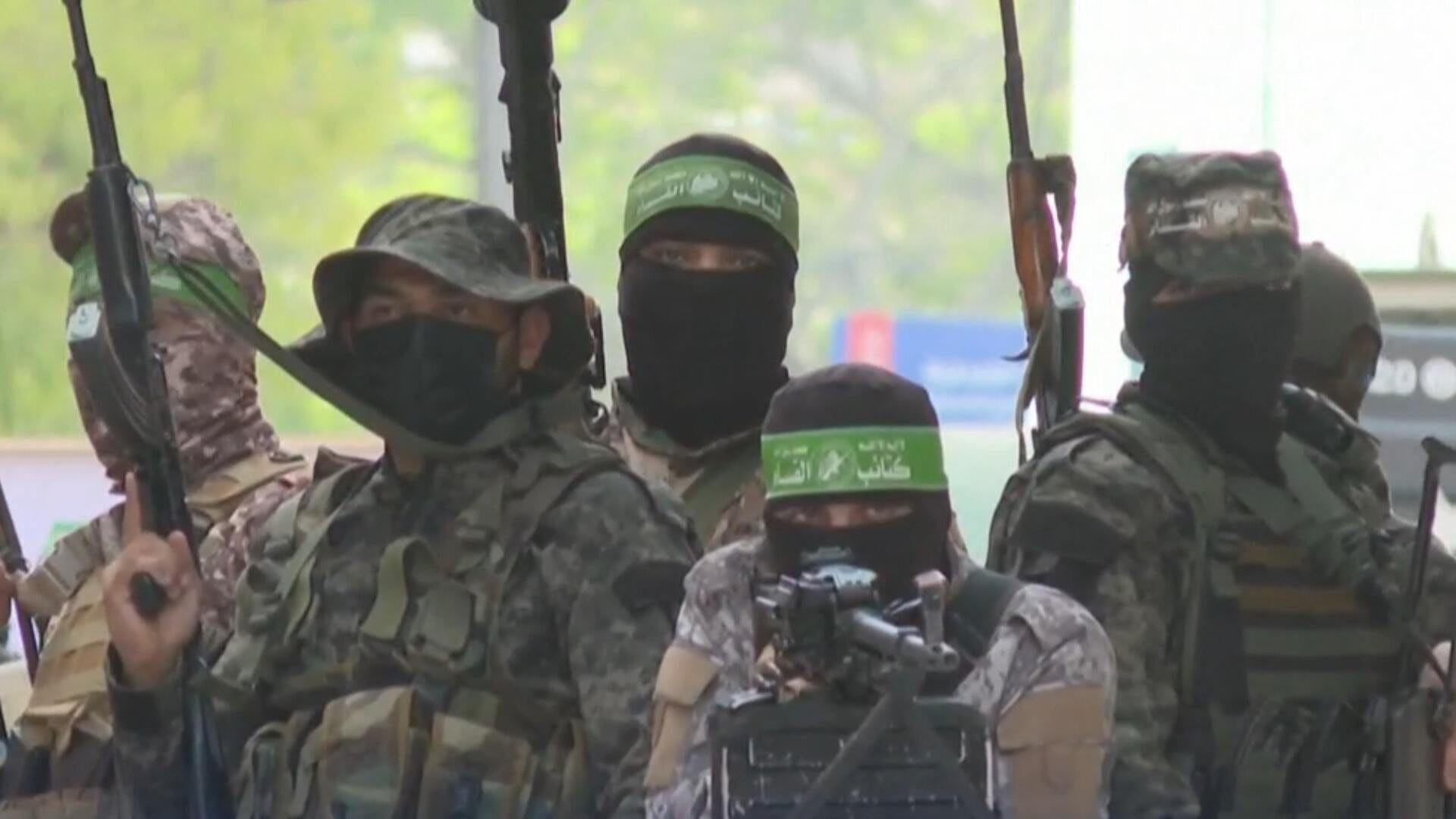
The first step in this process is the return of the hostages and bodies and the withdrawal of the IDF to a line that is still well within Gaza. Hamas has given up all their leverage and Israel, not much. So whatever happens next, Israel is in the driver’s seat . No one other than Hamas itself wants these terrorists to have any part in the Middle East. In other contexts this would be called a surrender.
And we can both be certain that the next nightmare will be even greater condemnation of Israel and global players’ insistence the Jewish State roll over and capitulate to demands that it abandon protecting its borders and people “to pay for” having survived to even see the day our hostages return home.