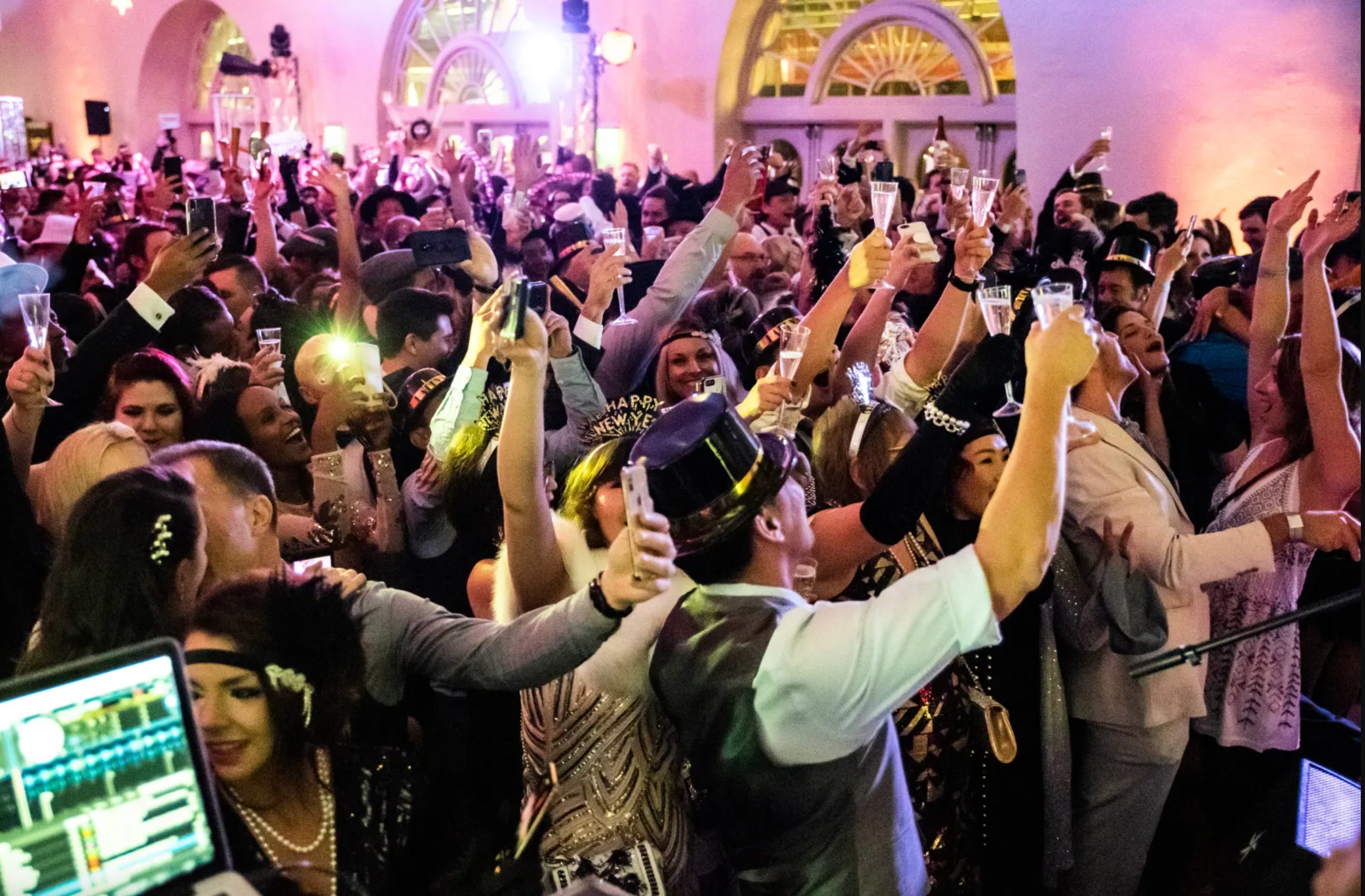
Every season, Jewish galas fill ballrooms with well-dressed donors, heartfelt speeches, and fundraising totals that run into the millions. These events are polished, moving, and often powerful. But there’s a growing problem hiding behind the glossy photos and standing ovations: the people who’ve suffered the most—widows of IDF soldiers, bereaved families, survivors of October 7th and its aftermath—are often invited to speak for free.
Let that sink in.
The CEO of the organization? Paid. The president? Paid. The celebrity entertainer or keynote speaker? Not only paid, but flown in, housed, wined, and dined. But the widow who lost her husband on October 7th—or during the ongoing war—is told her testimony is a “privilege” to share. That “bearing witness” is her contribution.
No. Her contribution has already been made. In blood. In tears. In sleepless nights and broken dreams. Asking her to stand before hundreds, to relive the worst day of her life, and then sending her home with a thank-you note is not just insensitive—it’s exploitative.
We need to be honest about the labor involved in telling these stories. Sharing grief publicly is emotional work. Preparing for a speech, standing in front of strangers, holding back tears while recounting trauma (or outright crying) —that takes strength, and it takes a toll. Just because it comes from the heart doesn’t mean it should come without compensation.
This isn’t about making grief transactional. It’s about respect and equity. Jewish organizations pride themselves on values like kavod (honor), chesed (kindness), and tzedek (justice). Where is the justice in compensating an influencer to “host” the gala, but not the mother who buried her son last year?
And beyond compensation, we must ask: are we truly considering the emotional well-being of these speakers—or are they simply being used as a tool to move the crowd?
It’s a hard question, but an essential one. When we ask a bereaved family member or a hostage survivor to take the stage, is it because we believe it will help them heal, or because we know it will generate donations, gasps, and applause? Are they seen as people with complex emotional needs—or as vessels for other people’s catharsis?
If the answer is the latter, then we’ve failed them.
We can do better. We must do better.
If your gala includes speakers who’ve suffered on behalf of Am Yisrael—widows, orphans, hostages, families of the fallen—they should be treated as the central figures they are. That means paying them for their time. Cover their travel. Provide childcare. Offer therapy support. Create space for them to say no.
Because bearing witness isn’t enough. And standing ovations don’t pay the rent.
It’s time to build a culture where Jewish pain isn’t just displayed—it’s valued, supported, and held with care.