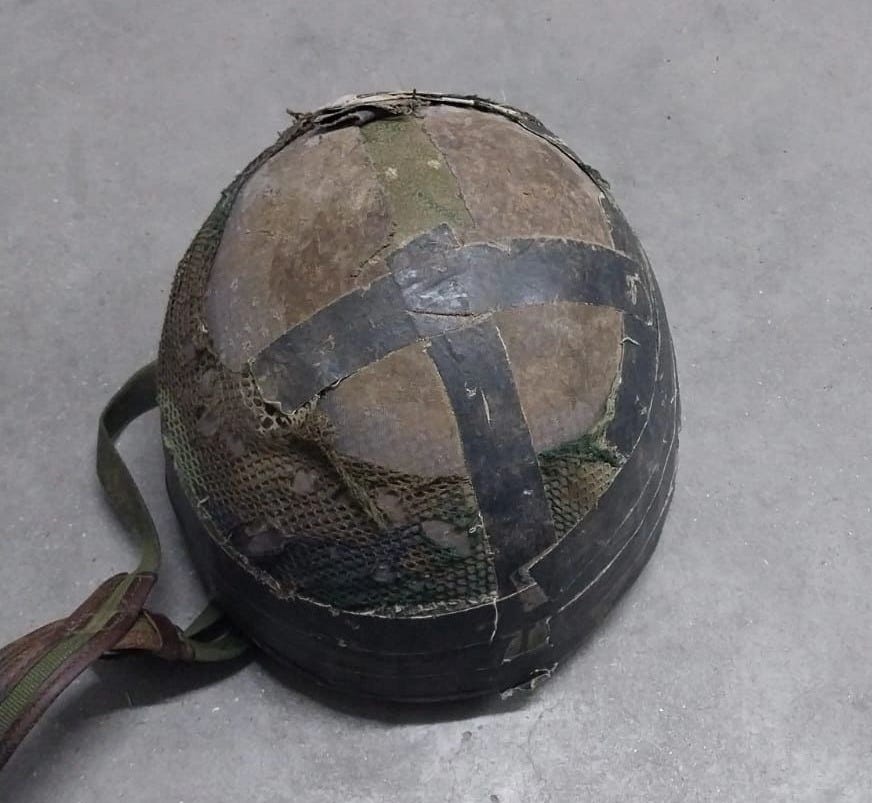
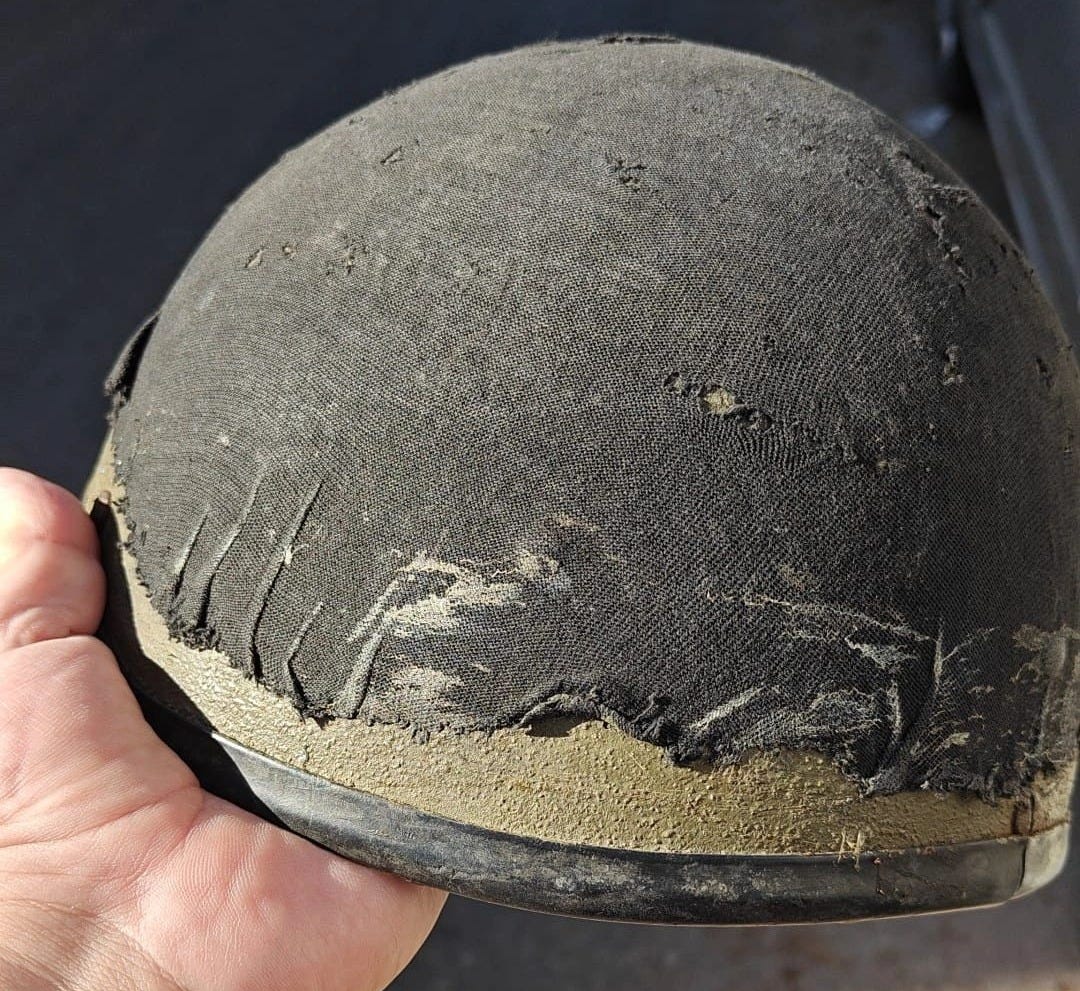
The responsibility for Israel’s chronic equipment shortages rests unequivocally with the Ministry of Defense and, by extension, the logistical arm of the IDF. Both institutions bear an absolute duty not only to provide frontline soldiers with essential protective gear but also to maintain transparency about the military’s state of readiness. Instead, these institutions adopted a troubling strategy of denial, repeatedly assuring the public and donors that “everything was fine,” even as soldiers in the field knew firsthand that the truth was far bleaker.
This official narrative forced organizations like Friends of the IDF (FIDF) into an impossible and untenable position. Originally designed primarily to offer morale boosting initiatives, family assistance, and supplementary welfare programs, FIDF was never intended nor equipped to bear the burden of supplying frontline combat gear. Yet, as desperation took hold, soldiers themselves were forced to reach out to the charity directly, pleading for basic safety equipment such as helmets, vests, and ceramic plates. In responding, FIDF faced a dilemma it neither created nor anticipated, caught between loyalty to official assurances and the stark, dangerous realities soldiers confronted daily.
By stubbornly maintaining the party line that there was no problem, the Ministry of Defense and IDF logistical leadership effectively placed FIDF in a morally compromised position. The charity was left to choose between openly contradicting official statements, risking political backlash and confusion, or misleading its donors, obscuring the extent of the shortages. Predictably, credibility suffered, donors were misled, and soldiers continued to experience deadly shortfalls.
Further complicating matters, tactical helmets used by soldiers ideally have a functional lifespan of five to ten years under optimal storage and usage conditions, often accompanied by manufacturer warranties. The IDF, however, has routinely issued helmets recycled from the 1970s, 1980s, 1990s, and early 2000s. These helmets are not only unsafe for combat, they are decades past any possible warranty coverage. This practice opens up troubling legal implications, prompting soldiers and their families to seriously consider liability and negligence claims against the Ministry of Defense and IDF logistics departments.
Now, in response to the growing crisis, other charities and grassroots movements have emerged, attempting to directly address urgent soldier needs ignored or denied by official channels. While their work is critically necessary, the mere existence of such initiatives underscores the deep shame Israel and the Jewish people must confront: the reality that many brave young men and women defending the nation have been sent into harm’s way lacking basic equipment necessary to survive.
One particularly devastating example highlights this institutional disgrace: a soldier had his ceramic ballistic plates removed just weeks before October 7th because his battalion simply did not have enough equipment. Tragically, that same soldier was fatally shot in the chest on October 7th, a victim not merely of enemy fire but of a systemic and unforgivable failure of leadership. Sadly, this tragic example is not isolated; it reflects a broader, deeply embedded problem affecting numerous IDF units. Soldiers across multiple fronts have reported outdated, malfunctioning, or entirely missing gear, heightening their vulnerability and undermining morale.
It is deeply embarrassing and morally indefensible that the State of Israel and its defense establishment have allowed soldiers to face battle so inadequately protected. While Israel’s military is rightly celebrated for its resilience, innovation, and bravery, its reputation is undermined by the preventable logistical failures of its senior leadership. When soldiers must resort to begging charities and private donors for fundamental protective gear, it signifies a catastrophic institutional failure and a severe erosion of trust between Israel’s defenders and the state they serve.
Until there is deep institutional change within the Ministry of Defense and IDF logistics, change rooted in accountability, transparency, competence, and a sincere commitment to the safety of every soldier, charities will remain forced to continue filling a dangerous and unacceptable gap. This reliance on private generosity, born of governmental negligence, must end. Israel owes its defenders not just praise, but the basic promise of adequate and reliable equipment, delivered without compromise, excuses, or delay. In the meantime, it remains critically important that supplemental charities exist to fill these gaps, providing a vital lifeline for soldiers until this cancerous malpractice is finally eradicated.
(Full disclosure: I founded Unit 11741, an organization dedicated precisely to this mission.)