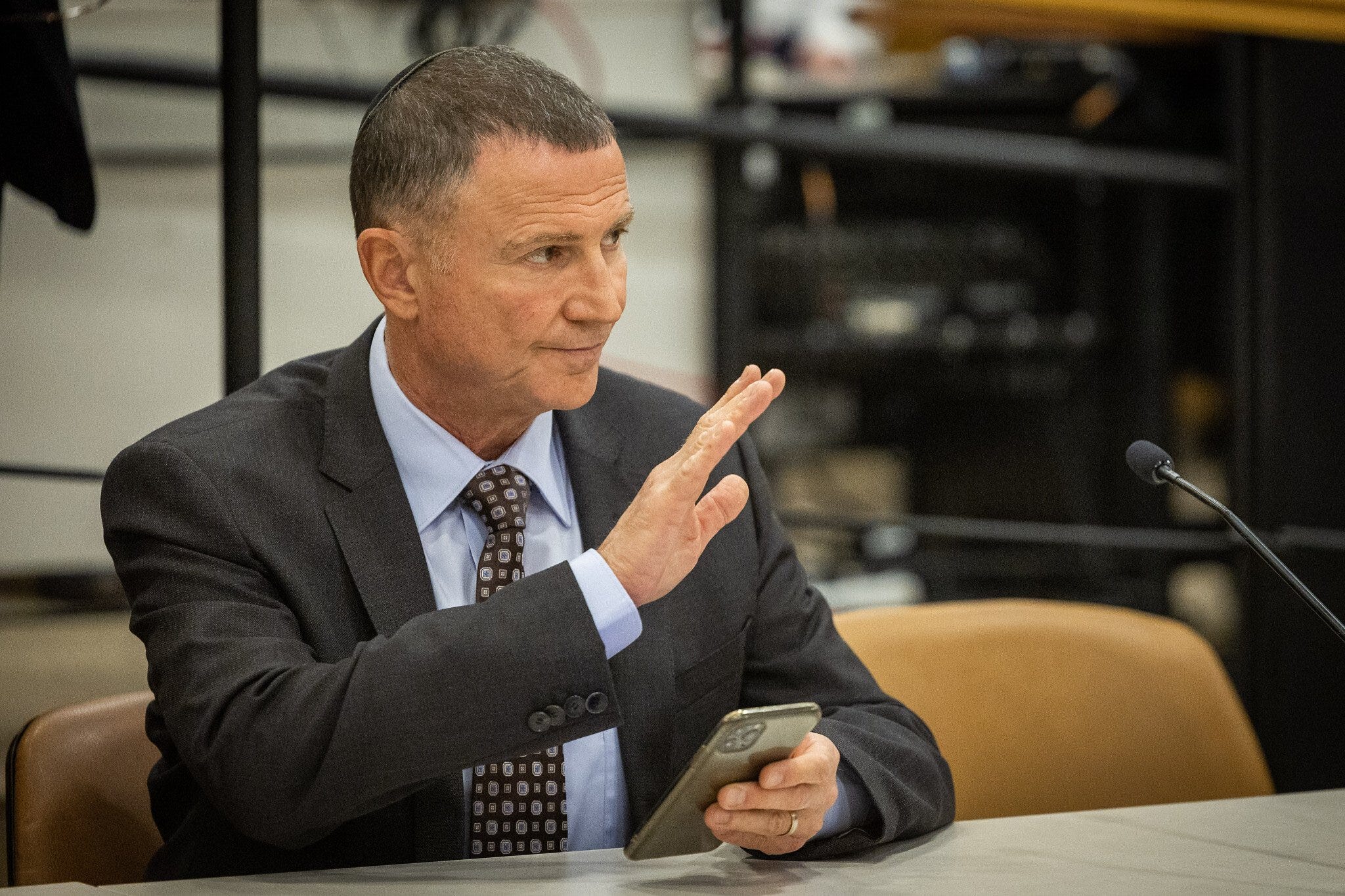
In the contentious and often turbulent landscape of Israeli politics, genuine acts of principle stand out clearly and powerfully. Yuli Edelstein's unwavering stance on conscripting the ultra-Orthodox into military service represents precisely such a moment. It is an act of political courage, moral integrity, and leadership rarely observed in modern governance.
Edelstein’s determination, despite fierce resistance from his Likud party colleagues and the ultra-Orthodox political factions, transcends mere political tactics. Internally, Likud applied substantial pressure for Edelstein to soften or withdraw his draft bill, which sought authentic equality in national military obligations. Recently, Likud MKs Hanoch Milwidsky and Amit Halevi staged a filibuster during a committee session to delay a separate military bill, explicitly aimed at undermining Edelstein's leadership. Concurrently, ultra-Orthodox parties launched an aggressive campaign of personal attacks and political coercion to preserve their privileged exemptions. Edelstein’s quiet but firm defiance underscores the democratic principle that citizenship inherently involves obligations alongside rights.
The conscription debate highlights a broader societal dilemma: whether Israel will embrace equal civic responsibility or remain permanently divided by special privileges. Edelstein's legislative proposal is strikingly clear, advocating tangible sanctions and genuine oversight, explicitly rejecting the strategic ambiguity historically employed to appease the ultra-Orthodox community and sustain fragile political alliances.
His critics predictably accused him of cynicism and political opportunism. However, Edelstein’s actions demonstrate the opposite, embodying authentic statesmanship aimed sincerely at correcting a historic injustice that undermines Israel’s social cohesion and democratic fabric. Edelstein’s proposal offers practical pathways toward genuine national unity and accountability.
Edelstein's detractors, notably former chief rabbi Yitzhak Yosef and Minister Arye Deri, have resorted to reprehensible personal attacks, including an unprecedented statement from Yosef: “May his soul be abhorred, he was a prisoner of Zion and came to the land. It’s a pity, he should have stayed there.” Senior Likud ministers have openly criticized Edelstein, urging Prime Minister Netanyahu to replace him with a more compliant figure who would push the controversial draft exemptions forward. Such rhetoric emphasizes the moral bankruptcy of those evading the shared responsibilities inherent in citizenship.
Edelstein’s personal history amplifies the moral seriousness of his position. As a former prisoner of Zion, persecuted under Soviet tyranny for his steadfast commitment to Israel and Jewish values, his dedication to Israel's welfare and security is beyond reproach. Attempts to question his patriotism or loyalty are absurd and shameful.
Ultimately, Edelstein does not threaten national unity; it is those insisting on preserving unjust exemptions from civic duties who pose the real danger. Effective citizenship must embody collective responsibilities, especially within a nation consistently facing existential threats.
The State of Israel owes Yuli Edelstein profound gratitude, not only for his political courage but also for addressing critical issues of citizenship, equality, and national responsibility. By remaining steadfast in the face of substantial political pressure, Edelstein reminds Israelis and democracies worldwide that true freedom and unity depend upon collective obligations and shared sacrifices, not merely individual rights. His principled leadership and unwavering resolve merit the nation's deepest respect and heartfelt appreciation.