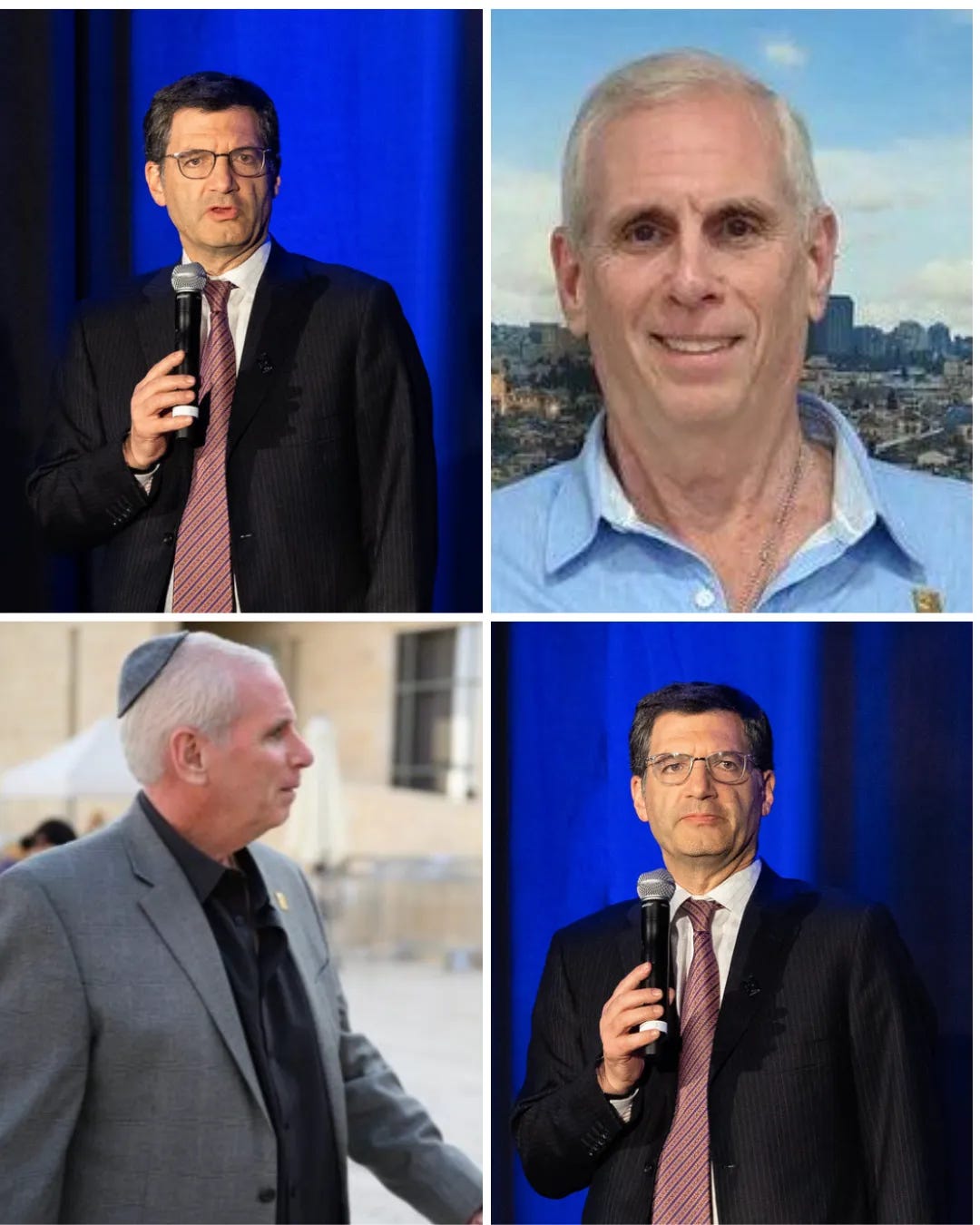
Ynet is out with a new explosive report confirming what we've been documenting here for months: the collapse of leadership at Friends of the IDF (FIDF) has reached a breaking point. At the center is Chairman Morey Levovitz, who is finally on his way out following a wave of internal dissent, donor backlash, and revelations of serious misconduct.
During an emergency board meeting, FIDF leadership agreed to terminate Levovitz’s role. While a formal exit agreement is still being finalized, multiple sources told Ynet that “the door was shown.” After months of consolidating power, bypassing the CEO, and reportedly creating a culture of fear, Levovitz is no longer tenable.
The internal report that described him as a de facto CEO has now been vindicated. What we’ve called out — centralized control, intimidation, and blurred lines of authority — is no longer being denied inside the organization. Nadav Padan, the retired IDF general brought in to stabilize operations, is reportedly assuming significant executive responsibilities. Steven Weil, long shielded by Levovitz, is facing substantial reductions in both salary and authority.
But leadership change doesn’t solve the core problem: trust. According to Ynet, over $10 million in pledges have already been delayed or canceled. Flagship events are collapsing. Internal memos warn of a 50 percent drop in donations and an overhead rate surging beyond 35 percent. The once-powerful New York Gala, once a cornerstone of fundraising, now teeters on the brink.
This isn’t just about financial fallout. The Ynet report confirms what was first revealed here: a formal complaint was filed with the New York City Human Rights Commission alleging wrongful termination and retaliation after raising concerns about the CEO’s conduct. The complaint describes meetings held in all-male cigar lounges and inappropriate comments about female staff, including a remark allegedly asking, “Who would you rather invite to dinner — the girl from Miami or the one from Washington?”
When Ynet asked whether donor funds were used to settle the case, FIDF did not deny it. Instead, they issued a sweeping rebuttal, saying:
“It’s unfortunate that you relied on cherry-picked information from people with selfish agendas — such as disgruntled former employees — who misled Ynet and other media outlets to paint a false picture of FIDF.”
That statement neither addresses the substance of the claims nor offers any transparency about how donor funds may have been used.
And the issue is far from isolated. As reported in eJewish Philanthropy and as we exposed here in our whistleblower podcast, there are multiple documented cases of alleged sexual harassment inside the organization. These incidents, some quietly settled and others ignored, reflect a pattern, not an aberration. For years, FIDF leadership tolerated or enabled a workplace culture where power went unchecked and accountability was absent.
Meanwhile, both Weil and Padan have continued to spread misinformation about the realities facing IDF soldiers. They have insisted that equipment needs are being met, despite overwhelming evidence to the contrary from soldiers on the ground. Rather than acknowledge these gaps and rally donors toward practical, life-saving support, they have chosen denial. In doing so, they have betrayed the very mission FIDF claims to serve.
Still, the credibility gap continues to widen. The Ynet report also revisits the exclusive use of Artra, an Israeli travel agency tied to Levovitz’s inner circle, flagged internally for inflated costs and subpar service. Staff say they were penalized for attempting to use alternate vendors, yet another sign of a leadership culture governed by loyalty instead of merit.
So yes, Levovitz is finally leaving. But this is not a clean break. It is a reckoning. The damage to donor confidence, internal morale, and organizational credibility is profound. Whether FIDF can recover depends on what comes next and whether real reform replaces the rot.