


When nations face catastrophe, the real fight starts right after the shooting begins. It’s not just about bullets and borders. It’s about clarity: who knew what when, who moved fast, who froze. In Israel’s case, fresh reporting from The Jerusalem Post has exposed something deeply alarming about the opening hours of October 7, 2023.
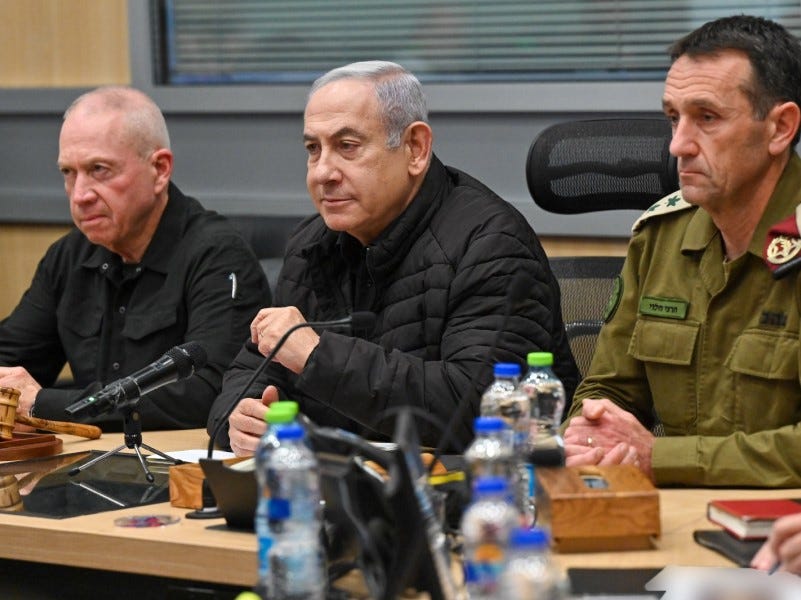
Yonah Jeremy Bob and Elliot Kaufman’s investigation shows that Prime Minister Benjamin Netanyahu, Defense Minister Yoav Gallant, and IDF Chief of Staff Lt.-Gen. Herzi Halevi did not speak to each other for nearly four hours after Hamas launched its attack. Four hours. For a country hit by the worst assault in its history— mass killings, kidnappings, dozens of breaches along the border—that silence at the very top is hard to accept.
The piece describes leaders who were all in the same building, the Kirya in Tel Aviv, but somehow not in the same reality. No generals rushed to the main command room at first. No unified war cabinet formed quickly. Officers lower down the chain scrambled to make sense of reports pouring in from every direction. War is always confusing, especially an attack this big, this sudden, this savage. But the lack of direct contact between the three people who carry ultimate responsibility made the confusion worse.
Could one early call among them have changed the day’s outcome? No one can say for sure. Hamas planned the operation for years, struck everywhere at once, and counted on paralysis. Even perfect coordination at the top might not have stopped the massacres in the kibbutzim or the abductions. The Jerusalem Post story doesn’t pretend otherwise.
What it does show, convincingly, is something more serious than a single tactical mistake. Trust among the top security figures had already cracked long before October 7. The judicial-reform fight had turned bitter and public. Gallant and Halevi both warned openly that political division was hurting readiness. The article ties that morning’s eerie quiet—at least partly—to the damage those months had done to basic working relationships.
That matters more than people sometimes admit. Countries can absorb intelligence failures and battlefield losses. What they have a much harder time surviving is top-level paralysis caused by distrust. When the people with final authority stop talking to each other, everything below them becomes improvised, delayed, disjointed.
The real question isn’t whether one phone call would have rewritten October 7. It’s whether the political atmosphere in the year leading up to the attack had already eaten away at the routines of consultation and joint command that Israel’s entire defense posture depends on.
Several internal inquiries have started, but Israel still has no full, independent state commission of inquiry shielded from politics. Without it, the public gets a steady drip of leaks, defensive statements, and dueling versions of events. Everyone protects their own record. The country gets more confusion instead of answers.
Real accountability isn’t about pinning medals or blame. It’s about nailing down a clear, honest timeline that no one can spin. The Jerusalem Post reporting gives us one sharp, painful piece of that timeline: four hours when the country’s highest civilian and military leaders did not form a single command cell.
For a nation built on the idea of fast mobilization and tight coordination, those four hours are not a detail. They demand serious examination—not as a political club, but as a necessary question. If the basic trust that holds the system together was already broken before the rockets flew, that has to be faced.
Nations only recover from deep wounds by looking straight at what hurts. The silence at the top on the morning of October 7 isn’t just a fact to note. It’s a warning that some of the most important defenses may have failed before the first shot was fired.
And now they have the audacity to remove the word “massacre” from the description of Oct. 7!? Already rewriting history to cover their horrific failures before even the first truly apolitical investigation has taken place, assuming there is such a thing. And they received so many warnings for so long ahead of time…gives me pause regarding a full scale attack by proxies from all borders if/when Trump goes for Iran…has enough changed to indicate Israelis won’t be surprised again, despite the massive military buildup. Who’s at the helm, Netanyahu or Trump? Both or none? Just look at Gaza to see how that’s going.