Happy Friday! Here are a few stray observations on the ongoing FIDF situation. None of them tell the whole story, but together they help sketch the contours of a crisis that’s as much about trust as it is about logistics, messaging, and accountability. From donor disillusionment to internal dysfunction, it’s clear something has gone badly off course.
One curious detail in the Ynet exposé is the glaring omission of Nadav Padan, the National Director of FIDF. The report names both Morey Levovitz and Steve Weil, highlighting their roles in the organization’s dysfunction, yet Padan, who has been visibly central to FIDF’s leadership, is not mentioned at all. This absence is not just strange, it is revealing. Padan was one of the most prominent figures publicly spreading misinformation about equipment shortages after October 7th, repeatedly assuring donors that soldiers had everything they needed when that was clearly not the case. The fact that he is missing from the report suggests the leak was strategic, likely orchestrated by someone looking to sideline Levovitz and Weil while shielding or even promoting Padan. In a scandal driven as much by internal politics as by donor frustration, such selective targeting speaks volumes.
With 60 members, FIDF’s board is clearly far too large to function effectively. A board of this size becomes more symbolic than strategic, making meaningful oversight, accountability, and decision-making nearly impossible. It’s hard to imagine how any real debate, transparency, or consensus can emerge in such a bloated structure. Instead, it creates space for power to concentrate in the hands of a few while allowing the rest to disengage or defer responsibility. At a time when the organization is facing serious questions about its integrity and direction, this oversized board is part of the problem, not the solution.
The true power within FIDF lies not with the full board of 60 members, but with the Executive Committee—a group of ten individuals who shape the organization’s decisions and direction. These are the people who hold real influence: Ronny Ben-Joseph, Nily Falic, Harry Gross, Netta Korin, Tim Levart, Morey Levovitz, Sam Moshe, Marc Perlman, Ron Sedley, and Peter Weintraub. From strategic planning to financial oversight, this inner circle wields the authority that defines FIDF’s actions. Any serious examination of the organization’s current crisis must begin with accountability at this level.
If I were a betting man, I’d wager that the leak of the 18-page internal report came from someone on the Executive Committee—someone with deep ties to Israel and strong Hebrew-language fluency, which would explain why the leak was first handed to Ynet before making its way to an American outlet. The choice of platforms suggests strategic intent, not random whistleblowing. It also seems increasingly likely that the individual behind the leak is loyal to Nadav Padan. His conspicuous absence from the report, despite his central leadership role, raises red flags. This wasn’t just a leak—it was a message, crafted to target certain players while protecting others.
After speaking with 14 current and former FIDF employees, it’s clear that the organization suffers from deep-rooted HR dysfunction. Multiple individuals described a pervasive lack of trust in the system, an environment where raising legitimate concerns feels more like self-sabotage than responsible conduct. Several reported that internal complaints, rather than being addressed professionally, were later weaponized to justify terminations under the guise of disloyalty. This culture of fear and retaliation has left many staff members feeling unprotected and demoralized, reinforcing the sense that loyalty to leadership matters more than integrity or accountability.
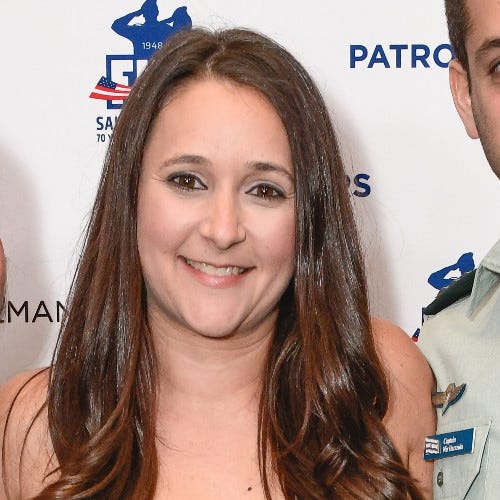
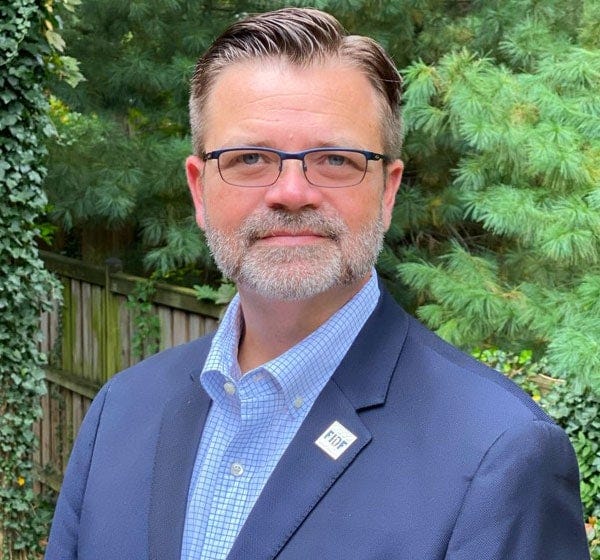
Two names repeatedly come up in conversations with current and former staff: Ari Dallas and Jenna Griffin. There is widespread confusion about how either of them rose through the ranks. Ari is now the Senior Vice President and Chief Operating Officer, while Jenna Griffin holds the title of Vice President for the Western Region. Multiple employees expressed disbelief at their promotions, citing poor leadership, a lack of transparency, and strained working relationships. Their rapid ascent is viewed by many as emblematic of a system that rewards loyalty to select power brokers over competence or merit.
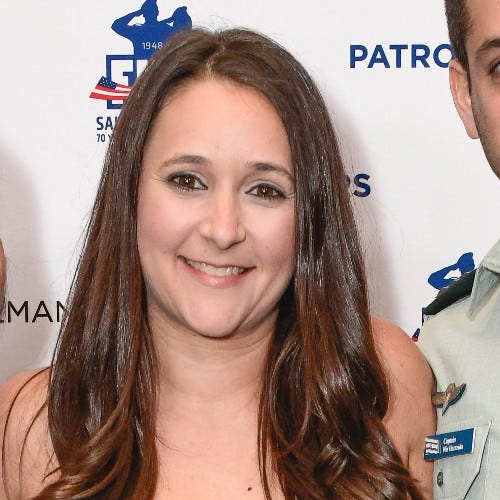
Jenna Griffin, FIDF’s Vice President for the Western Region. 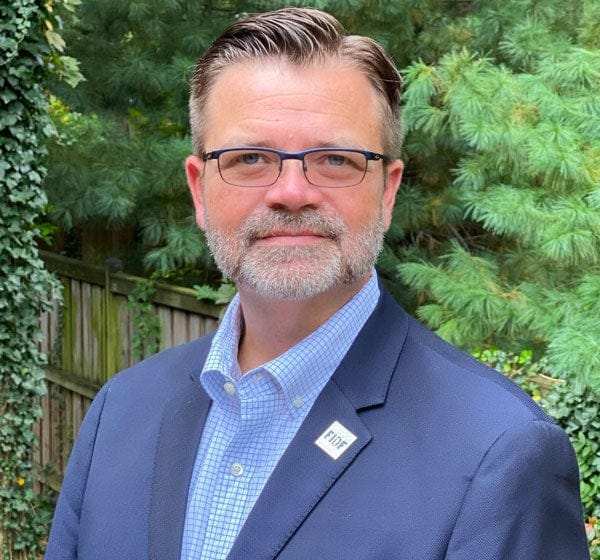
Ari Dallas, FIDF’s Senior Vice President and Chief Operating Officer