


As of August 12th, 2024 the IDF is still issuing cracked and damaged plates to soldiers entering the battlefield.


Ceramic plates have a shelf-life and should be discarded if there are any signs of physical damage. Here’s one explanation from manufacturer Ace Link Armor:
Yes, body armor can expire or have a recommended service life. Body armor is made up of various materials, including ballistic fibers, polyethene, and metal or ceramic plates. Over time, these materials can degrade due to a combination of factors such as exposure to environmental conditions, moisture, sunlight, and physical wear.
Manufacturers provide an estimated service life for their body armor products. This is the period during which the armor is expected to provide reliable protection. After the service life has passed, the armor might become less effective at stopping ballistic threats or may experience other issues that affect its performance.
It’s important to note that the service life of body armor can vary depending on several factors, including the specific materials used, the level of wear and tear, and the conditions under which the armor is used and stored.
Always follow the manufacturer’s recommendations for the service life of the body armor. These recommendations can be found in the product documentation or on the manufacturer’s website.
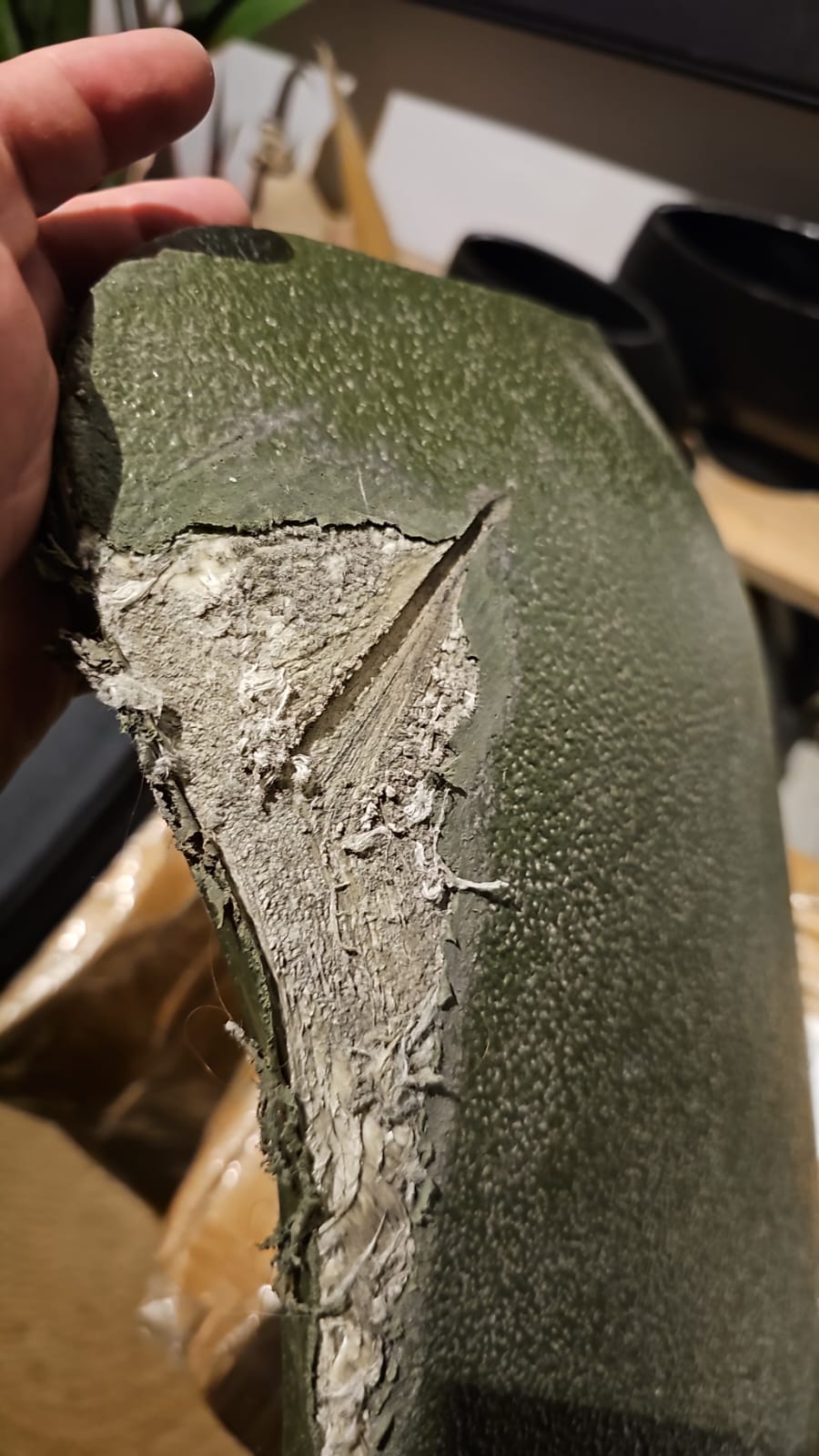
It is unclear what, if any, oversight the IDF has in place to ensure that damaged ballistic plates are discarded and replaced in a timely fashion.
Please help us provide safe ceramic plates to soldiers in the IDF.