


The anguish of Nimrod Cohen’s family is real and deeply human. Their son remains in the hands of a terrorist regime, and their frustration is both understandable and heartbreaking. No parent should ever have to wonder whether their government is doing enough to bring their child home.
That said, while their pain must be honored, it’s important to recognize the weight of responsibility on the Prime Minister and the security cabinet. Their role is not only to secure the hostages’ return, but to do so in a way that preserves Israel’s broader security and prevents future tragedies.
This doesn’t excuse the many mistakes made by Netanyahu’s government. There have been missteps—some serious—and it’s entirely legitimate to criticize them. But it’s unfair, and frankly dangerous, to paint one side of this debate as simply unfeeling or indifferent toward the hostages.
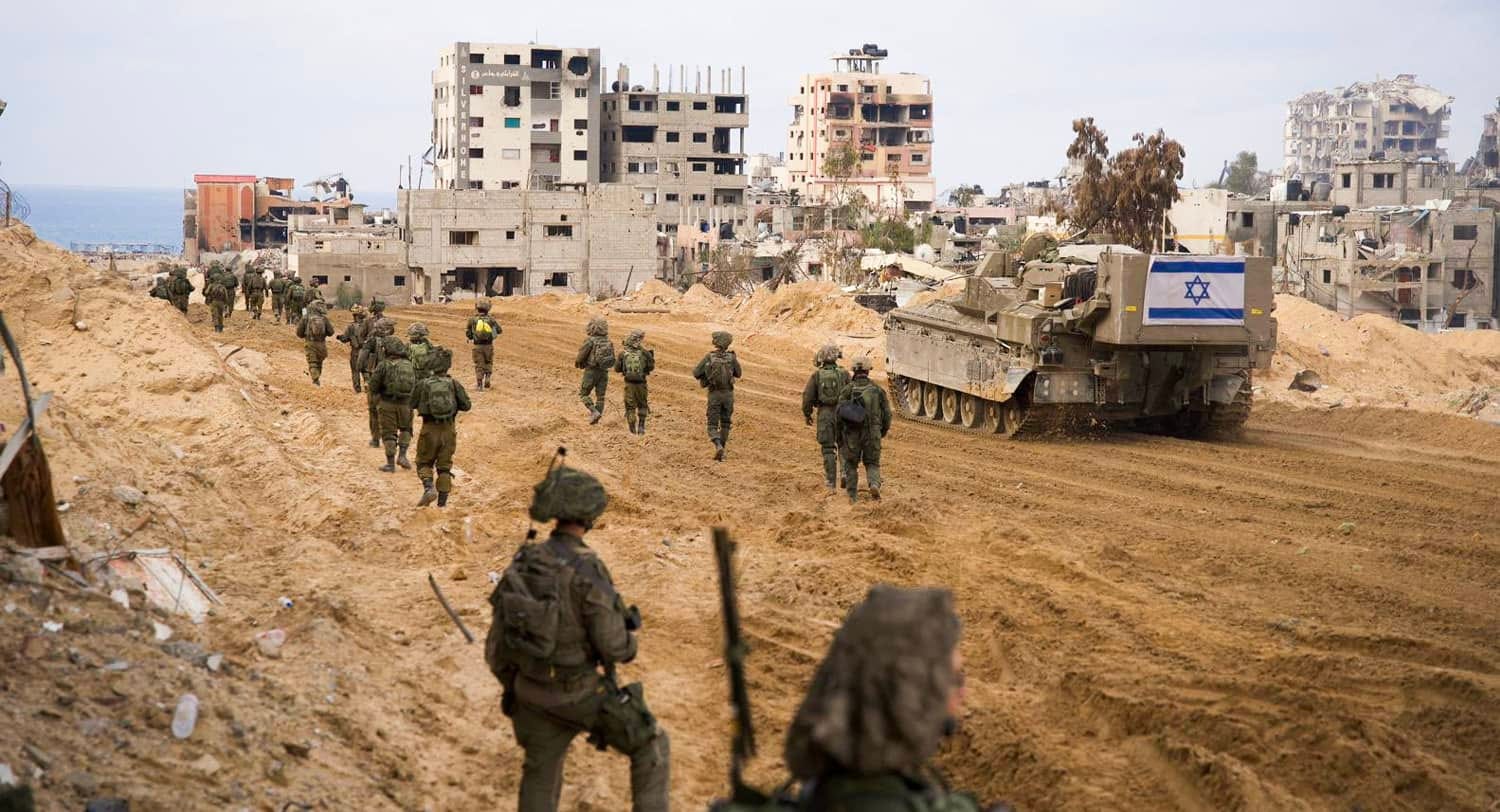
There are legitimate military justifications for continuing operations in Gaza. Applying pressure on Hamas may increase the chances of a deal, deny the group breathing room, and dismantle its capacity to repeat October 7. One can disagree with that strategy, but to claim that the State of Israel is abandoning the hostages to die is a grave accusation—and one that ignores the genuine strategic considerations at play.
There are bereaved families—parents who have buried their sons—who feel that ending the war prematurely would spit on their children's legacy. But they would never accuse the hostage families of disregarding the well-being of the State of Israel or seeking its destruction. They understand that grief demands compassion, not vilification.
The claim, as reported by The Times of Israel, that the fighting resumed solely for political gain mirrors a narrative often found on Al Jazeera—not one grounded in the painful and complex reality Israel is navigating.
Disagreement over policy is not only expected—it’s healthy. But when that disagreement turns into accusations that one side has abandoned its people, it crosses a red line. That framing doesn’t protect the hostages. It fractures the very unity we need to bring them home.
It not only "fractures the very unity we need to bring them home", but it gives hope and strength to our enemies. Every time there is pressure put on the Israeli government to make a deal or "do more", the enemy will sit back and refuse to negotiate. Attacks against the Israeli government, calls to "bring them home" no matter the cost, and protests against the government make it less likely that a deal will be made. The worst thing that can be done to bring our hostages home is to rail against the government.
I really appreciate what you are saying here. Life is not black and white. We must hold the complexity of all sides. This is what makes us humans.