


The company behind roughly 30 Jewish summer camps filed for bankruptcy protection last week, leaving families uncertain about the upcoming season after a financial unraveling that began just months after the owners raised nearly $200 million on the Israeli bond market.
Simad Holdings, controlled by brothers David and Michael Shabsels, filed for Chapter 11 in New Jersey on June 4, 2026. The filing listed between 50,000 and 100,000 creditors and put total liabilities somewhere between $500 million and $1 billion. Both brothers also reportedly filed for personal bankruptcy. Dozens of affiliated entities were swept into the filing alongside the parent company.
The camps at the center of it all are well-known names in the Jewish camping world: Camp Blue Star, Mohawk Day Camp, Camp Achim, Chen-A-Wanda, Club Getaway, Country Roads Day Camp, Eagles Landing, Echo, Green Lane, Meadowbrook, Island Lake, Waukeela, Rocking Horse Ranch, Splashdown Beach, and Summit Camp, among others. For many families, these are not just summer programs but traditions passed down through generations.
The Shabsels built a sprawling operation, roughly 80 real estate assets in all, including offices and retail properties across the country. But the camps were the flagship. They were also what made the Israeli bond deal possible.
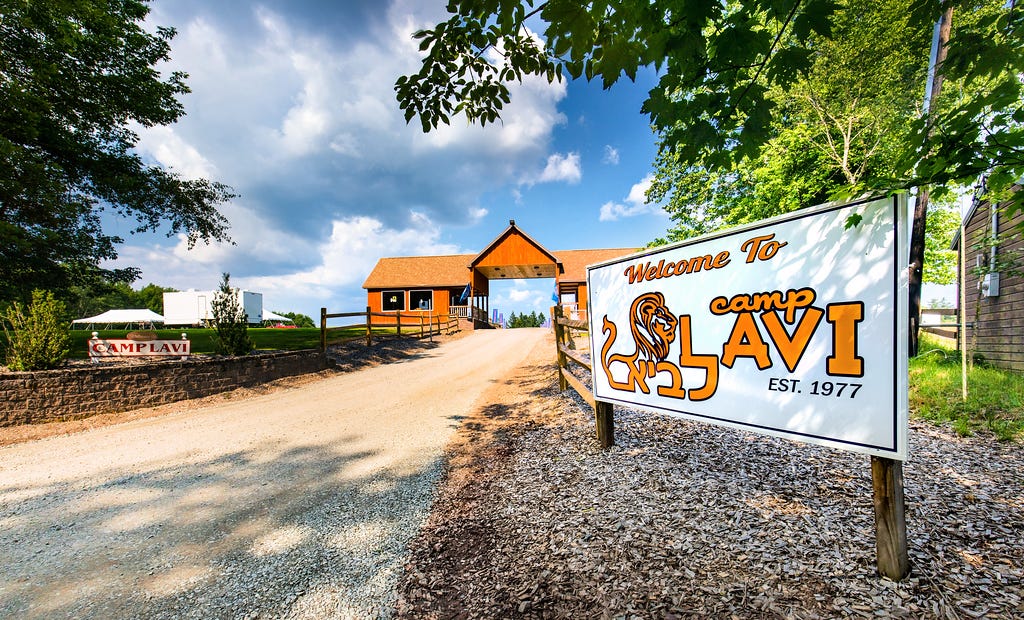
In December 2025, Simad raised $195 million on the Tel Aviv Stock Exchange. The offering was backed by 13 specific camps: Camp Achim, Chen-A-Wanda, Club Getaway, Country Roads Day Camp, Eagles Landing, Echo, Green Lane, Malka, Lavi, Meadowbrook, SHMA Camps, Mohawk Day Camp, and Rolling Hills Day Camp. Israeli ratings agency Midroog gave the bonds an investment-grade rating and indicated that bondholders were to receive a first-priority lien on those properties. On paper, it looked like a straightforward deal: American camp real estate as collateral for Israeli institutional money. It fell apart in less than six months.
What broke the deal was a disclosure in late May 2026. Simad revealed that $34 million had been transferred out of the company and into entities privately owned by the brothers themselves. The company’s own audit committee told them to return it. They said they would. Then Michael Shabsels acknowledged they could not. Simad missed its next interest payment to bondholders. The Tel Aviv exchange halted trading on the bonds. Israeli securities investigators came calling, seeking information about possible violations of securities law.
The company has since moved to appoint Asaf Ravid as a restructuring officer, who previously served in the same role at All Year Holdings. If a court approves his appointment, the Shabsels lose control of the company’s accounts. The brothers have put up roughly $1.5 million to the bondholder trustee, including $940,000 specifically for camp operations. That number, against the cost of running dozens of facilities through a full summer season, tells its own story.
The financial strain did not begin with the bankruptcy filing. Court records show the Shabsels had been relying on costly, high-risk financing arrangements for some time. One of those arrangements, involving a Connecticut-based lender called Swiss Fund LLC, became the subject of a lawsuit filed in April 2026 in Connecticut Superior Court.
Under the deal, a Shabsels-controlled entity called Damis Holdings agreed to make 42 weekly payments totaling $15 million in exchange for an upfront advance of just $9.7 million. Swiss Fund also had the right to pull money directly from Damis’s bank accounts if payments stopped.
According to the complaint, Swiss Fund issued two payoff letters in March and April 2026 confirming the balances on two contracts had been satisfied, and the Shabsels paid both. On April 15, Swiss Fund provided a notarized statement declaring the plaintiffs owed nothing. The next day it sent an email demanding payment anyway, and on April 17 it withdrew $117,187.50 directly from one of the plaintiffs’ accounts. The complaint accuses Swiss Fund of breach of contract, statutory theft under Connecticut law, and unfair trade practices, and seeks compensatory damages, treble damages, and a permanent injunction barring further account debits.
Whether the camps open this summer likely depends on what happens in bankruptcy court over the coming weeks. The $940,000 set aside is a start, but it is a thin margin for an operation of this scale. Ravid has reportedly been in contact with camp managers to keep operations moving. For the families waiting on answers, that may be the only reassurance available right now.
I feel terrible for the staff and the employees. Major shanda. We still have space at https://www.moshavaalevy.org near Los Angeles. This is a great camp.
Yeesh what a mess. Why is there always fraud sigh