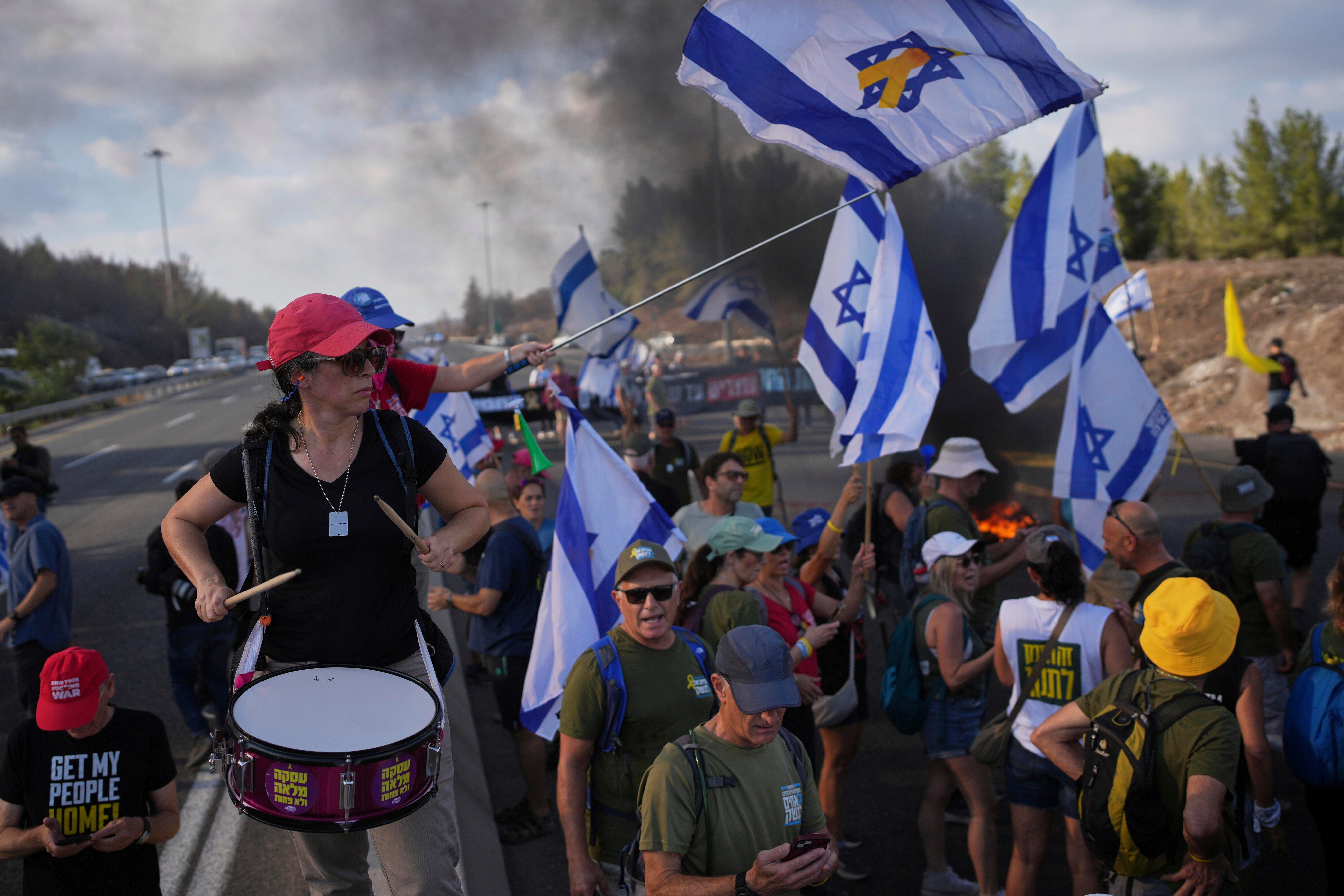
The general strike that swept through Tel Aviv on August 17 was not a show of strength. It was a broadcast of weakness. While the anguish of hostage families commands sympathy, the spectacle achieved the opposite of its intent: it emboldened Hamas, weakened Israel’s negotiating position, and advertised the very division terrorist organizations exist to exploit.
This is not a defense of Benjamin Netanyahu. One can reject his management of the war while recognizing that public fracture on this scale serves no constructive purpose in confronting a group whose strategy depends on breaking Israeli resolve.
The danger goes beyond today’s crisis. Terrorism works by creating pressure inside a society until its leaders give in. If taking hostages leads to concessions once, it will happen again. History shows this pattern clearly. By demanding deals in exchange for release, the protests teach Hamas that kidnapping pays — and guarantee more abductions in the future.
The international stage magnifies the damage. In every European capital, in Tehran, in Washington, the protests are not read as democracy in action but as a country losing its will to fight. For adversaries, the images from Tel Aviv are vindication. For allies, they are cause for doubt. America, which values strength above all in its partners, now sees a nation cracking under pressure rather than standing firm.
Hamas understands this perfectly. Hostages are not bargaining chips in a rational exchange but weapons of psychological warfare. They exist to generate precisely the domestic pressure on display in Tel Aviv. Netanyahu’s warning that such protests “harden Hamas’s stance” was politically clumsy but strategically correct: why release captives when holding them is more valuable?
Voices of former hostages deserve profound respect. Their courage and resilience illuminate captivity conditions and Hamas’s methods. But respect is not the same as deference. Their opinions on national strategy should be considered as any citizen’s would be — on the merits. Simply enduring trauma does not automatically confer strategic wisdom. Hostages, like generals or politicians, can be wrong. Their testimony about survival must be heard; their prescriptions about war and diplomacy must be judged like anyone else’s — against the hard test of Israel’s security.
The same scrutiny belongs to the “former security officials” now lionized in the press for urging an end to the war. These men held authority during the very years that produced October 7. Their judgment did not prevent the worst failure in Israel’s history. Their opinions today cannot be divorced from their records then, nor from their political leanings and personal stakes. Before treating them as neutral sages, the nation deserves answers: What did you miss? What warnings did you dismiss? What responsibility do you bear? Until then, their calls for retreat are less strategic advice than reputational self-preservation.
Good intentions, whether from grieving families, traumatized survivors, or retired generals, can be manipulated into serving terrorist ends. Strategies that pressure democratic governments collapse when applied to militias that treat civilian suffering not as a liability but as a weapon.
The lesson is as old as war itself: unity at home, strength abroad, negotiations only from power. To forget these principles is to invite a future where hostage-taking becomes a reliable instrument of terror worldwide.
The Tel Aviv strike granted Hamas a psychological victory without yielding a single hostage. That is not compassion. It is surrender masquerading as protest. And it will not bring the captives home.