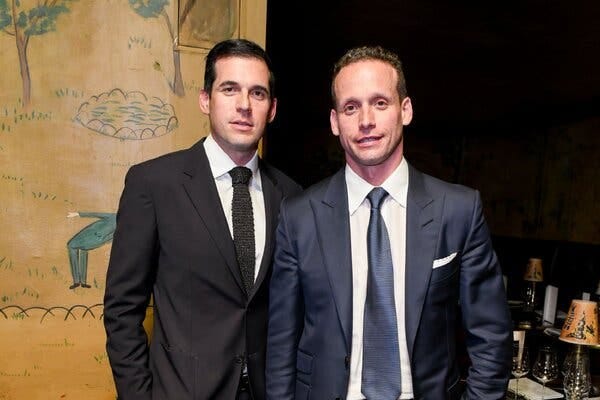
When hedge-fund titan Ken Griffin shattered records on January 23, 2019, by purchasing a $238 million penthouse at 220 Central Park South, the deal made headlines around the world—not only due to Griffin’s astonishing expenditure but also because of the brokers behind the transaction, brothers Oren and Tal Alexander. This wasn’t merely real estate news; it was emblematic of a cultural moment where success and visibility converged dramatically.
This historic deal coincided precisely with the zenith of the #MeToo era, a period defined by intense scrutiny and the rapid, relentless exposure of powerful men accused of misconduct. Journalistic vigilance was at an apex, with high-profile figures—Harvey Weinstein, Kevin Spacey, Matt Lauer, Louis C.K.—quickly brought to heel through widespread media exposure and public condemnation. It was a climate unforgiving of secrets, eager for scandal, and highly responsive to even whispers of wrongdoing.
Given this environment, one must wonder how, if credible allegations against the Alexanders existed at the time, they managed to evade detection. Their visibility was at an all-time high; scrutiny was practically built into the scale of their achievements. Yet prosecutors now assert that more than 60 women have accused the Alexanders of orchestrating a sex trafficking operation—allegations that only began emerging publicly in 2023, culminating in the brothers' arrest in December 2024. One must ask the obvious question: How plausible is it that such extensive and serious accusations could have remained entirely concealed during a period when investigative reporting was fiercely proactive?
Further complicating matters, the Alexanders continued to enjoy positive portrayals in premier publications such as the New York Times, Wall Street Journal, and The Real Deal. Even as late as November 2022, the Times ran a detailed and laudatory profile titled "How Two Luxury Real Estate Agents Spend Their Sundays," capturing their daily routines and considerable professional success without so much as hinting at controversy. Earlier, in March 2019, the Los Angeles Times praised their remarkable ascent and strategic acumen, emphasizing their decade-long prominence and extensive networking.
The conspicuous absence of any public allegations during a peak era of investigative zeal and media vigilance demands skepticism. If the brothers indeed engaged in wrongdoing on such a massive scale, it strains credibility that nothing surfaced during their frequent, glowing media exposure. This anomaly warrants careful scrutiny—not only of the accusations themselves but also of the investigative processes and motivations behind them. At the very least, this perplexing inconsistency should inspire caution and deeper examination into the timing and credibility of these serious claims.