


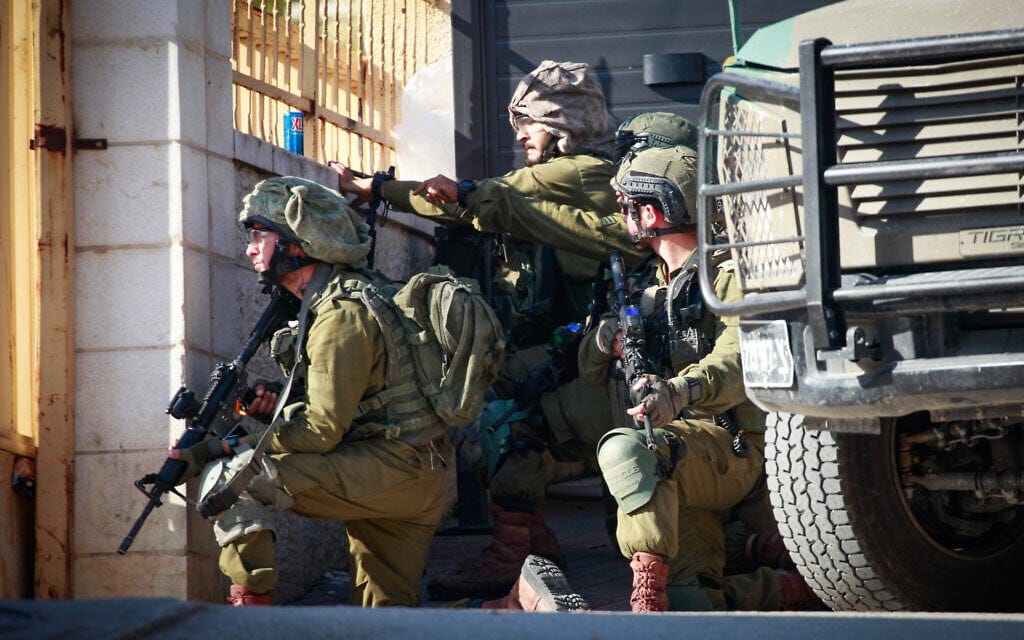
Jacob Siegel’s new Tablet feature, “Israel’s Forgotten Army,” is one of the most important investigations published since October 7. It offers a gripping, deeply reported account of how Israel’s reserve forces, once the backbone of national defense, went into war with expired armor, broken helmets, and outdated weapons.
Siegel traces this crisis to years of neglect and misplaced priorities. He explains how Israel’s political and military elites adopted what he calls the konzeptsia—a belief that cyber operations, air power, and technology could replace infantry, armor, and reserve preparedness. That illusion, reinforced by American military thinking, led to the steady erosion of the IDF’s ability to fight and sustain large-scale ground wars. When Hamas and Hezbollah attacked, hundreds of thousands of reservists were called up, only to discover that the army could not properly equip them.
Into that void stepped ordinary Israelis and volunteers abroad, raising money and rushing supplies directly to soldiers. Yet the institution meant to lead that effort, the Friends of the IDF (FIDF), failed to meet the moment. Despite raising hundreds of millions of dollars, FIDF did not provide combat gear and allowed donors to believe their contributions were going toward urgent battlefield needs. Internal reports later showed widespread mismanagement and arrogance at the top, and its leadership eventually resigned under pressure.
The article also touches on my own work investigating these issues and the efforts of Unit 11741, which has supplied protective equipment directly to soldiers in need. Siegel quotes my criticism of FIDF’s misleading fundraising and its distance from the realities of combat. I was motivated to speak out because this was never an abstract policy dispute but a life and death issue for soldiers on the front lines, a reality that carried deep emotional weight for me. Some labeled me “intemperate,” and I admit it is hard to reconcile individuals publicly lying and misleading people while frontline heroes truly needed help. I am glad to accept that description if it means the truth is told.
Siegel’s piece is a must read for anyone who wants to understand how decades of complacency and bureaucratic detachment left Israel’s citizen army vulnerable, and how ordinary people stepped up to fill the void. It is a powerful call for accountability and reform that should be read by every serious supporter of Israel.
READ HERE - Israel’s Forgotten Army, Tablet Magazine
Pete Hegweth was criticized and ridiculed for grandstanding and anachronistic thinking for his emphasis on morale and a return to a fighting man’s army. Israel’s experience is illustrative of the dangers of minimizing the importance of a physically capable, well trained, and equipped military.