There is a temptation that haunts the nonprofit world, especially within moral communities convinced of their own virtue. It is the belief that the righteousness of the cause excuses the rigor of the conduct. Feed the hungry. Rescue the vulnerable. Defend the children. And if the books are unclear, the claims inflated, the oversight inconvenient, surely the good intentions suffice. They do not. This rationalization corrodes charity from the inside, and nowhere is that danger clearer than in the lesson Nick Shirley offers the Jewish world.
Shirley was, of course, looking for clicks. He is a content creator, not a court-appointed inspector. But the truly damning fact is not that his work was click-driven. It is that what he did was click-worthy at all. He did not uncover secrets through sophisticated forensics or privileged access. He did basic work. He went to publicly funded locations and asked whether they existed as described. That such minimal verification produced viral content is not an indictment of Shirley. It is an indictment of the institutions that failed to do their jobs.
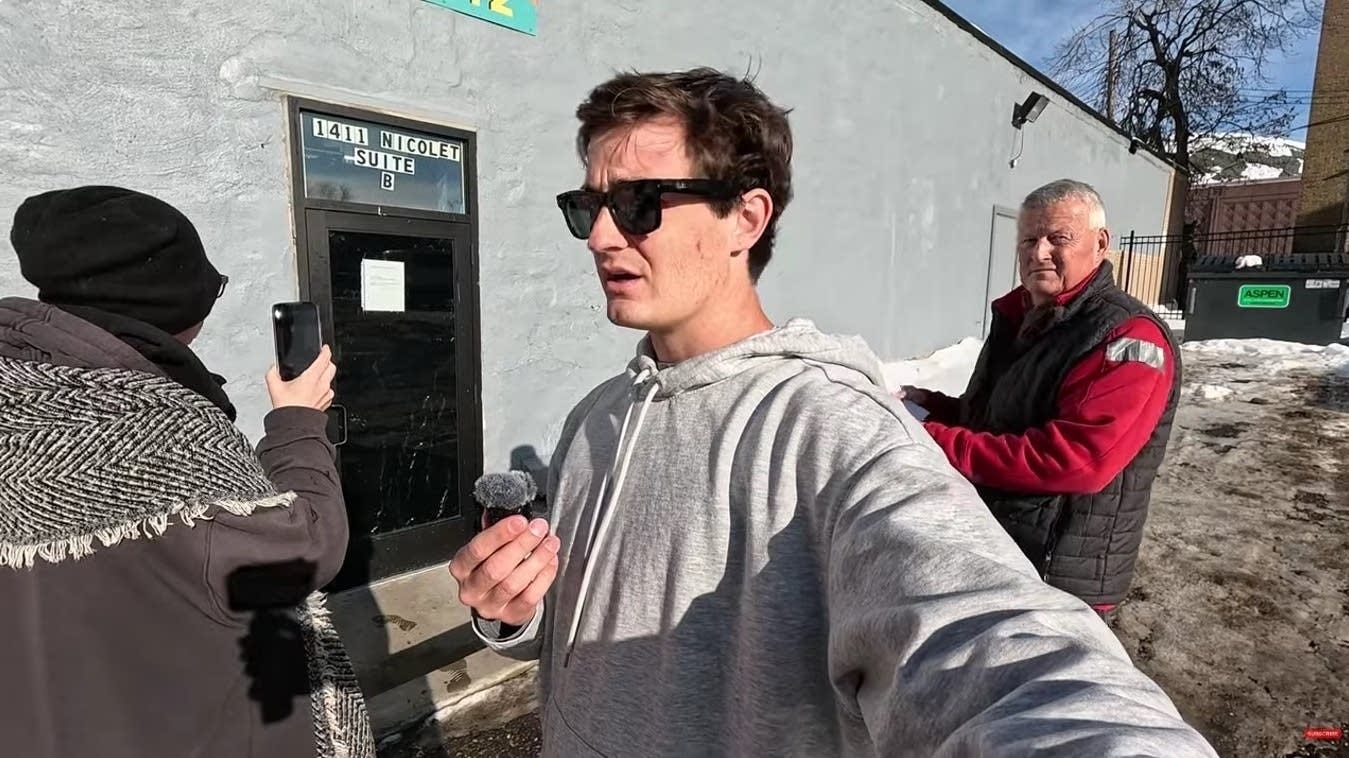
When he examined alleged daycare fraud within parts of the Somali community in Minnesota, Shirley did not rely on ideology or rumor. He relied on presence. He filmed what he saw. He documented the gap between what was claimed on paper and what appeared on the ground. Centers listed as active and funded appeared empty during claimed operating hours. This was not performative outrage. It was observable reality.
Context matters. Minnesota was already reeling from the Feeding Our Future scandal, which exposed hundreds of millions of dollars stolen from federal programs meant to feed children. Shirley’s video did not invent suspicion. It responded to it. His work demonstrated how low the bar had fallen. That a YouTuber with a camera could do what oversight bodies, boards, and auditors either failed or refused to do should provoke shame, not scolding.
Critics predictably objected. Some said later inspections showed activity at certain sites. That may be true in part. But this misses the point. The scandal was not that every site was fraudulent. It was that nobody in authority seemed to be checking in the first place. The outrage was not about errors. It was about exposure. Someone had asked the forbidden question. Are you telling the truth?
That question is especially fraught in the Jewish world, where criticism of communal institutions triggers fear of being labeled a moser. Historically, a moser was a Jew who informed on other Jews to hostile authorities in societies where such information could lead to imprisonment, violence, or death. That fear is rooted in lived trauma.
But it cannot be abused. A moser informed on innocent Jews to hostile powers. He did not expose leaders who were stealing communal funds, lying to donors, or abusing public trust. Equating whistleblowing against dishonest nonprofit leaders with informing on Jews to antisemites is a moral inversion. One protects the community. The other destroys it. Silence in the face of corruption is not loyalty. It is complicity.
There is no precise count of dishonest charities, and there never will be. Fraud does not advertise itself. It emerges through indictments, audits, whistleblowers, and, occasionally, viral videos of basic verification. Inflated fundraising claims. Shell entities. Circular grants. Artificial urgency used to silence questions. These are not misunderstandings. They are lies.
The Jewish nonprofit ecosystem is especially vulnerable. The causes are urgent. The donors are trusting. Leaders learn that invoking crisis can neutralize scrutiny. Oversight is framed as betrayal. Questions are treated as threats. “Don’t you know what’s at stake?” becomes permission to evade accountability.
Judaism does not sanctify dishonest stewards. It demands judgment and accounting from those entrusted with communal funds. Distance yourself from falsehood is not optional. Exposing deception is not harming the community. It is defending it.
Honesty is not branding. It is basic moral infrastructure. Nonprofits that lie may appear to grow quickly to the public, but they simultaneously decay internally. When they fall, they take trust with them.
Nick Shirley’s lesson is not that content creation is virtuous. It is that truth should never be so rare that simply checking reality becomes entertainment. In a sector devoted to repairing the world, the most urgent repair is the refusal to tolerate lies committed in the name of good.