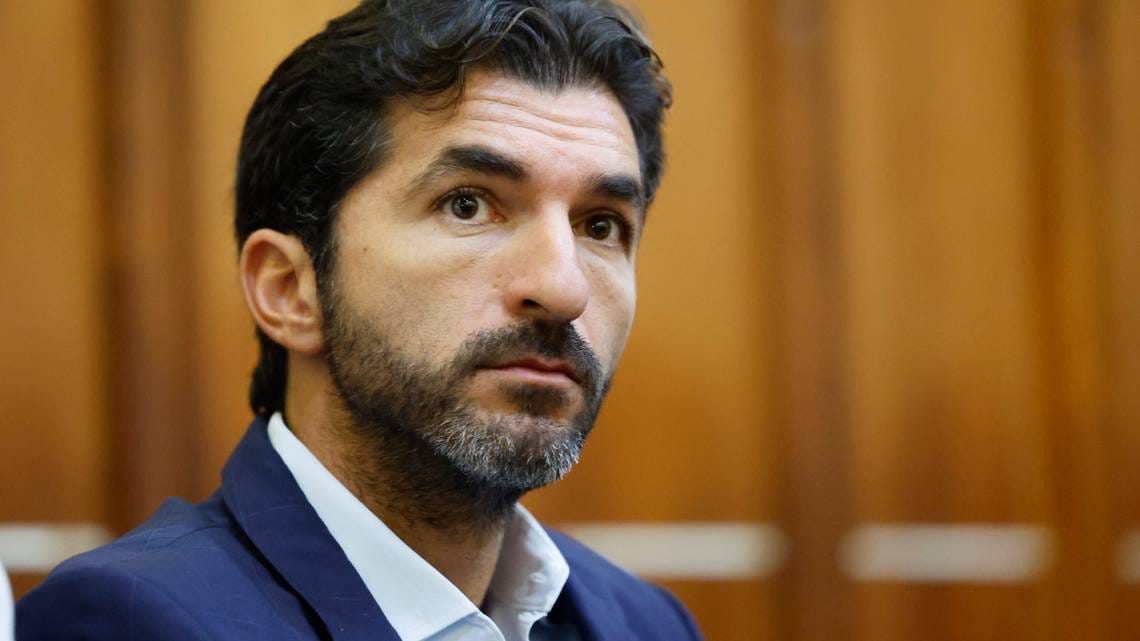
Ohad Fisherman's legal team has filed a notice (attached below) asserting his rights under Florida's speedy trial law, signaling potential dismissal of his case due to prosecutorial delay. According to the filing submitted on June 12, 2025, Fisherman was arrested on December 18, 2024, and as of June 11, 2025, 175 days had elapsed without bringing the case to trial.
Florida Rule of Criminal Procedure 3.191 mandates that defendants charged with felonies must be brought to trial within 175 days of their arrest if they have not waived their right or caused delays themselves. Fisherman’s attorneys explicitly noted in their filing that he has continuously been available and has not contributed to any delay.
This law, designed to protect defendants from indefinite prosecutorial delays and ensure a fair and timely judicial process, holds that if the state does not commence trial within the prescribed period, the defendant can file a Notice of Expiration. Upon such notice, the court must schedule a trial within 15 days, failing which the charges must be dismissed.
Fisherman’s legal representatives, Jeffrey H. Sloman, Juan J. Michelen, and Nora Lewis, assert that there have been no valid extensions or continuances under this rule, positioning Fisherman strongly for dismissal unless the state acts swiftly to schedule the trial immediately.
Compounding the state's challenge, one key witness in the case has already contradicted herself significantly in her deposition, raising substantial credibility concerns. Additionally, the prosecution has presented little to no substantial evidence supporting their charges.
The outcome of this filing could serve as a critical precedent for future cases, reinforcing the essential protections provided by Florida’s speedy trial statute and highlighting the state's obligation to prosecute efficiently or risk case dismissal.