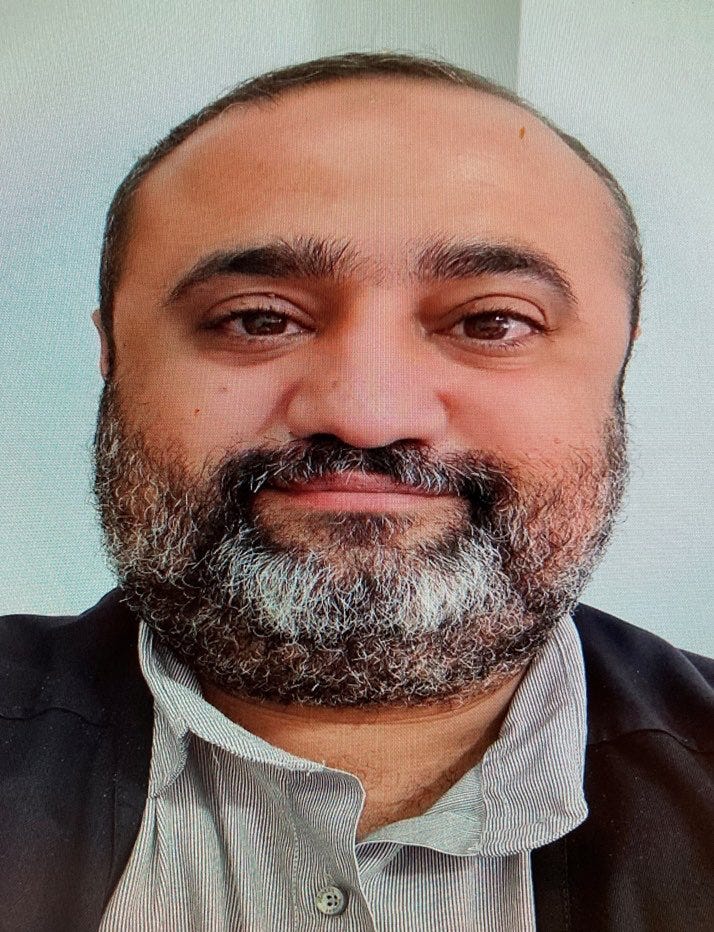
A federal indictment in Manhattan describes what prosecutors say was a fundraising network built around a simple idea: seek aid for civilians in Gaza while hiding the money’s eventual destination.
The defendant, Saleem Alzaq, is accused of helping run that operation from Gaza with an unnamed associate in France. Prosecutors say the two raised about $1.75 million between January 2020 and December 2025 through campaigns that appeared to support humanitarian causes. Roughly $626,000 of that total, the indictment says, came from U.S.-based donors.
Prosecutors say it was not one secret account or route. Instead, they describe public pleas for food, winter supplies and animal sacrifices, social-media reach across borders, and payment methods swapped out when old ones drew scrutiny.
Alzaq is alleged to be a long-time Hamas member and a battalion deputy in the Photography Department of the Shujaia Brigade’s media office. The indictment says he used his social-media accounts to circulate Hamas propaganda and to raise funds. Hamas has been designated a foreign terrorist organization by the United States since 1997. Prosecutors contend that the charitable campaigns, whatever their public presentation, supplied money to the group.
The French co-conspirator, identified in court papers as CC-1, allegedly served as the overseas collection point. In late 2021, prosecutors say, Alzaq asked CC-1 to open a PayPal account because of difficulties using the service amid sanctions related to Gaza and Hamas. The plan was for CC-1 to control the account, report back on the donations and send accumulated money to Alzaq through Western Union.
The arrangement, prosecutors say, was meant to leave fewer obvious tracks. Donors were sometimes told to send money to relatives of CC-1. Alzaq allegedly offered different names for people in Gaza who could receive the transfers. That would make it harder, the indictment says, for French authorities to see one person repeatedly sending money to Gaza and for Western Union to block the account.
Then came cryptocurrency. Alzaq allegedly asked CC-1 to use Bitcoin or another digital currency, saying it would obscure the sender, recipient and final location. After an exchange questioned the source of money in 2023, CC-1 allegedly changed platforms.
The indictment gives particular attention to the days after Hamas’s October 7, 2023 attack in Israel. Prosecutors say Alzaq posted graphic images and videos from the attack on Snapchat and sought contributions for a fresh campaign on a French crowdfunding site. The campaign purportedly was for Gazans injured on October 7 and closed within days.
In messages described by prosecutors, Alzaq reportedly tried to manage the different audiences on different platforms. He allegedly told CC-1 that Telegram could carry material showing killings and attacks against Jews and Zionists, while Snapchat would focus on Palestinian suffering. The reason, prosecutors say, was practical: he did not want the Snapchat accounts shut down. He also warned that prospective donors worried about being linked to terrorism.
Less than a week after the attack, CC-1 registered a French organization called Organization-1, according to the indictment. It said it would provide aid to people in Palestine, principally Gaza. Prosecutors say it was created at Alzaq’s suggestion to collect money for him. That contrast, between the organization’s stated relief mission and the government’s account of its purpose, sits at the heart of the case.
There is also an allegation about coded language. In 2025, an undercover officer posing as a Hamas supporter in New York contacted Alzaq on Snapchat. Alzaq allegedly spoke of giving money to “the Green,” a reference to Hamas, and used phrases involving “bread,” “bakeries” and “buy bread.” He also allegedly advised the officer to learn the language and delete messages. In exchanges with another U.S.-based Hamas supporter, prosecutors say, he used similar terms and said he could deliver whatever amount was wanted.
Alzaq faces four conspiracy counts: providing material support to a foreign terrorist organization, violating U.S. sanctions, money laundering and defrauding the United States. Prosecutors are also seeking forfeiture of assets tied to the alleged conduct.