


In wartime, what you choose to deliver says everything about what you value. Spirit of America, a private American nonprofit, has chosen to deliver helmets, armor, trauma kits, and encrypted radios. Friends of the IDF has chosen to deliver flip-flops, challah, and candy.
This is not to say that comfort is unimportant. Morale matters. Connection matters. But when soldiers themselves are saying they’re short on gear, on the essentials that separate life from injury, effectiveness from vulnerability, then that must come first. If the basics aren’t covered, “sweet packages” are a luxury few can afford.
Spirit of America understood this immediately. As Ukrainian defenders faced down a full-scale invasion, the organization moved with purpose, speed, and clarity. Over $50 million in aid. Tens of thousands of Level IV vests. Ballistic helmets. Tourniquets. Secure comms. All delivered in direct coordination with the U.S. military and Department of Defense.
Tax deductible donations are made through the EIN 20-1687786.
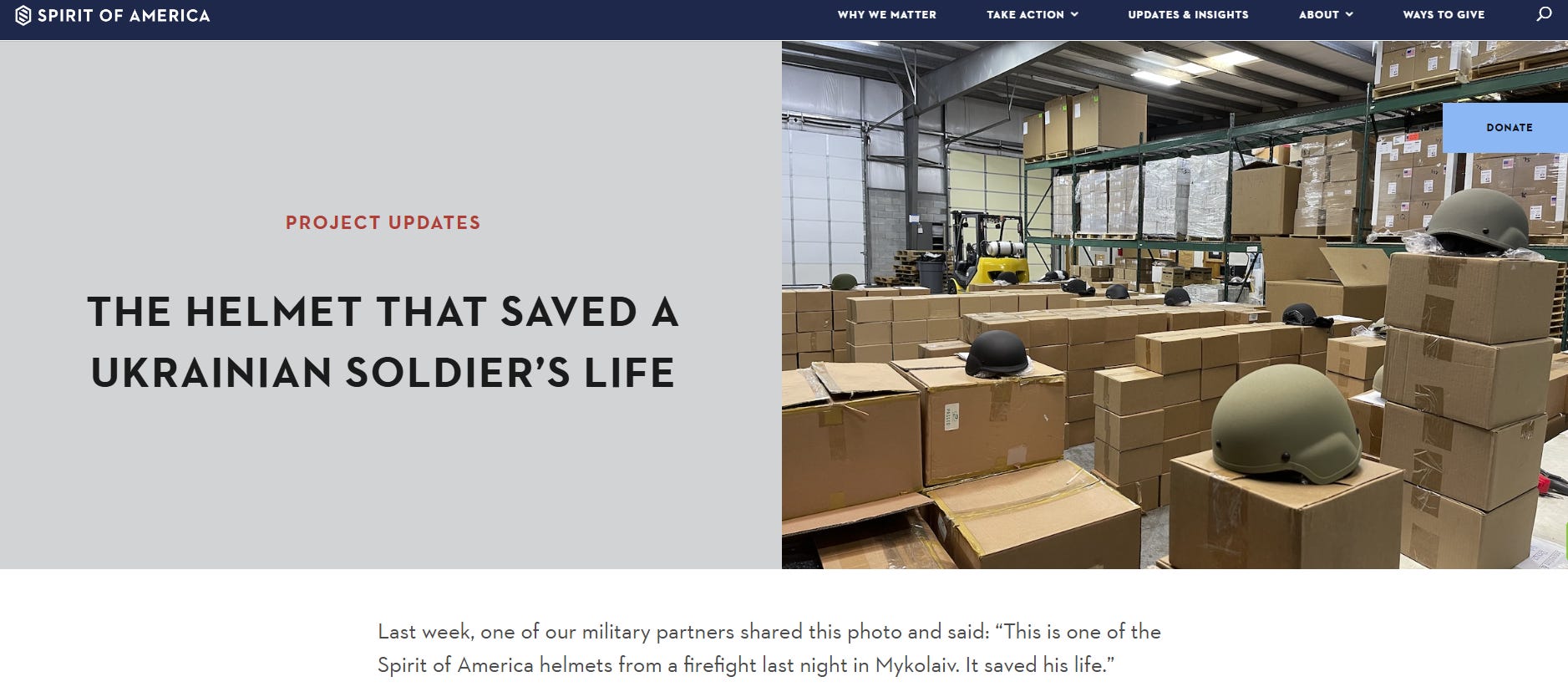
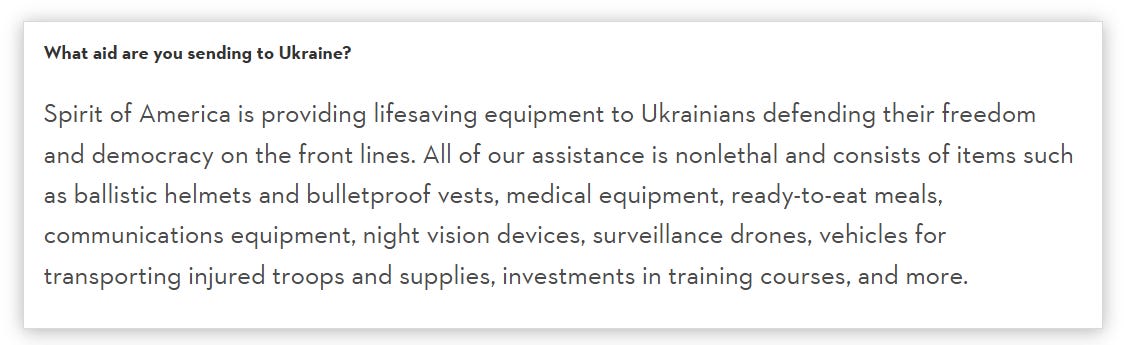
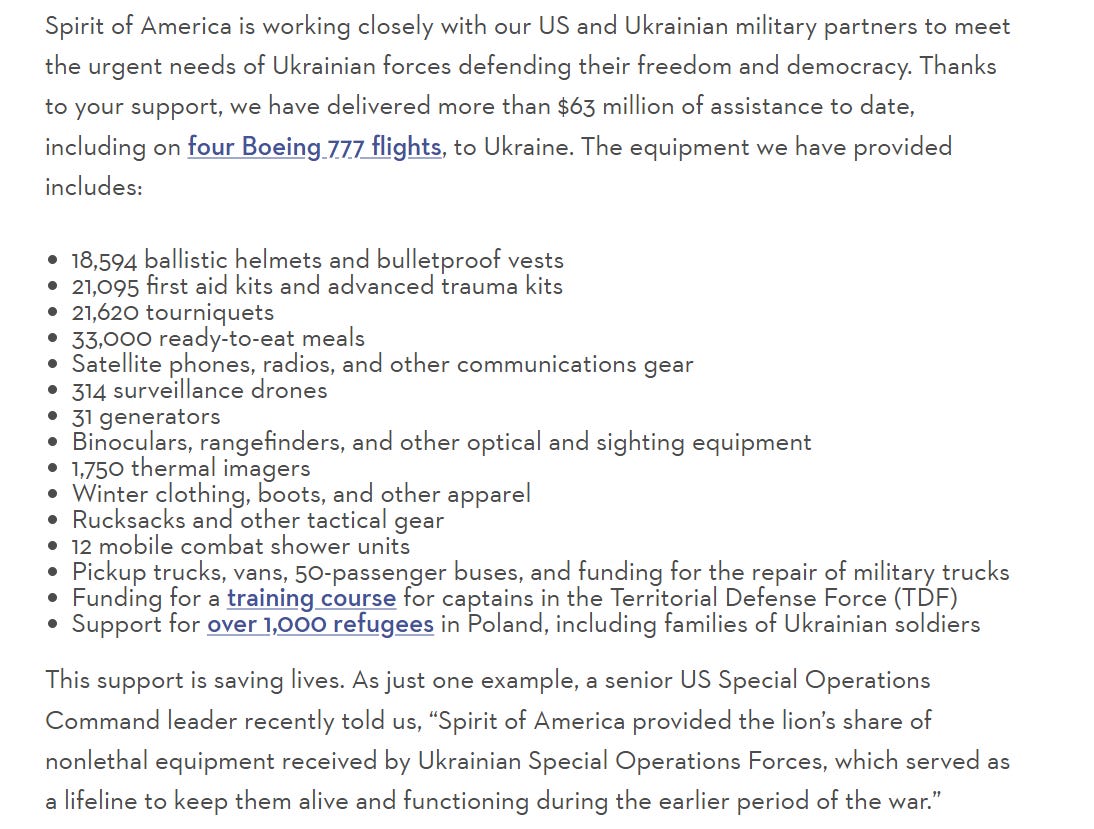
That isn’t just aid. It is alignment with strategic need.
Meanwhile, FIDF was busy assuring donors that everything was under control. Soldiers had what they needed, they claimed. No true shortages, just logistical hiccups. Instead of acknowledging the calls for help from Israeli families and reservists, they promoted their work funding barbecues, wellness programs, and “spiritual resilience.”
There is nothing wrong with supporting soldiers emotionally and culturally. But when protective gear is missing, and everyone knows it, ignoring that need (or misleading people about it) is not moral restraint. It is organizational self-preservation.
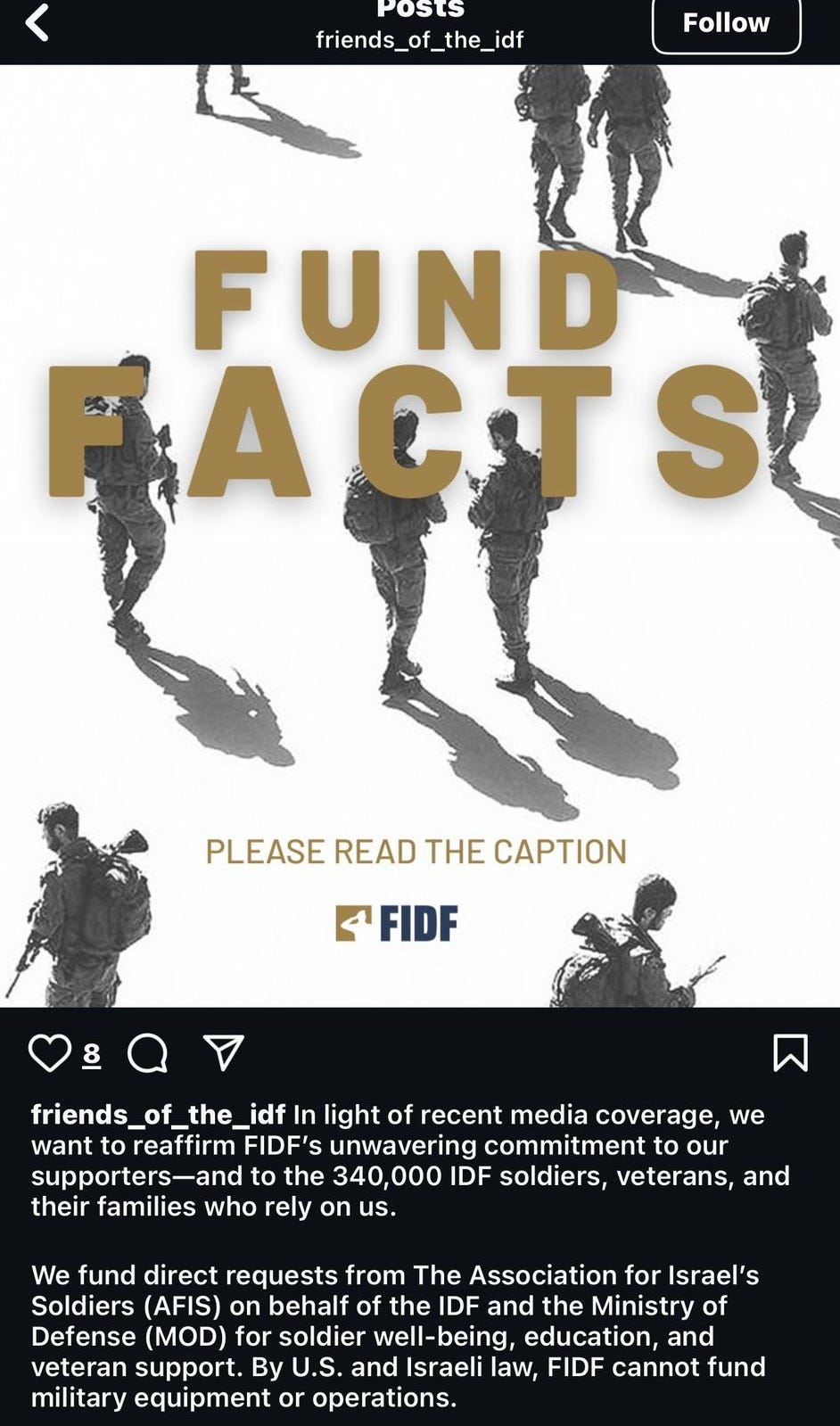
FIDF’s statement that it is “prohibited by U.S. and Israeli law” from funding military equipment or operations is not only misleading—it’s demonstrably false. Spirit of America, a registered 501(c)(3) nonprofit, has legally delivered tens of millions of dollars in nonlethal military-grade aid, including ballistic vests, helmets, medical kits, and communications equipment directly to foreign military units like Ukraine’s Territorial Defense Forces. The truth is, American nonprofits can support foreign militaries with protective equipment, so long as it is nonlethal and complies with relevant export and Treasury regulations. What FIDF presents as a legal barrier is, in fact, an internal policy choice dressed up as law—and a convenient excuse for inaction when it mattered most.
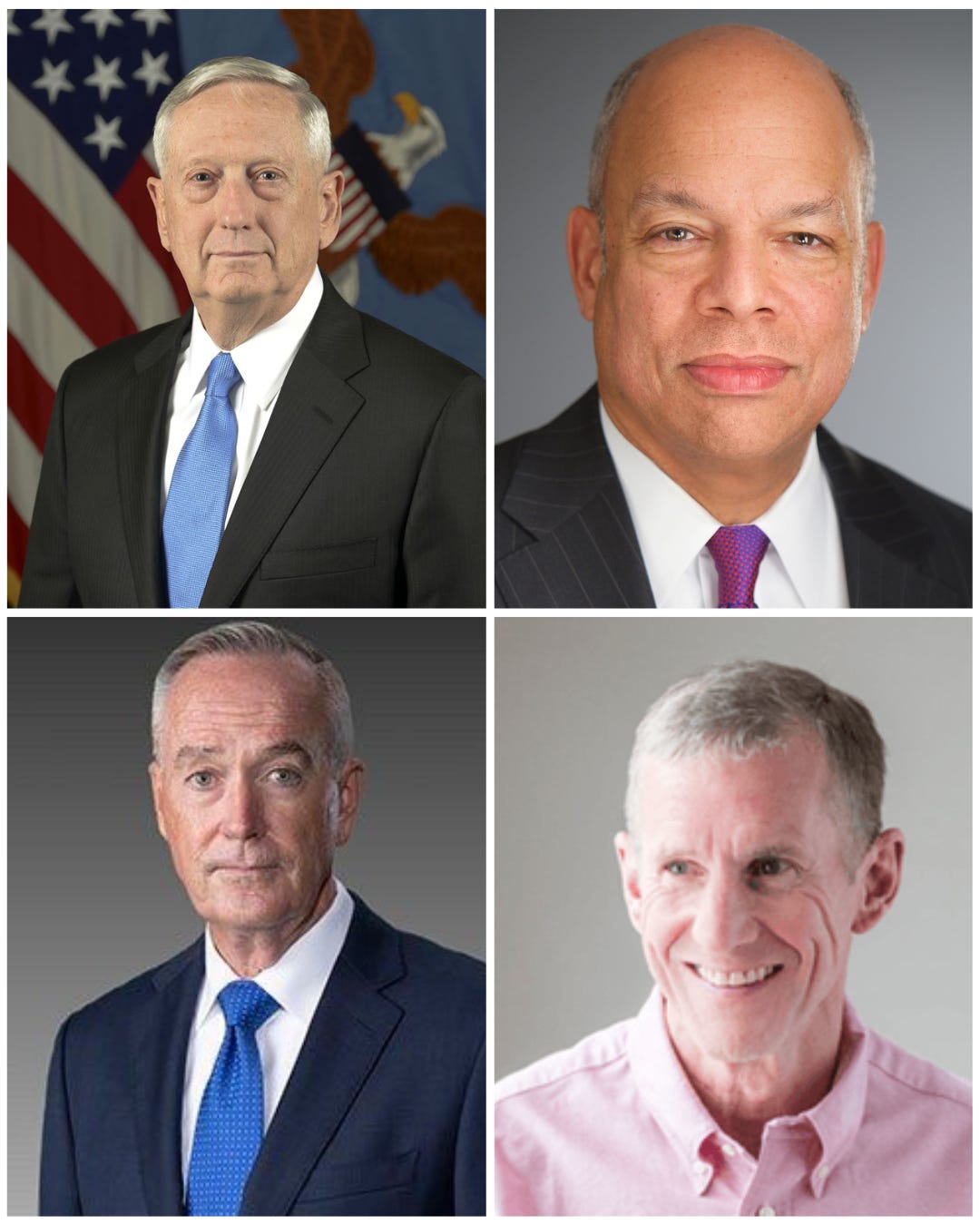
Spirit of America is no joke. Its board and advisors include some of the most respected figures in American national security. Former Secretary of Defense James Mattis. National Security Advisors H.R. McMaster and James Jones. General Joseph Dunford, former Chairman of the Joint Chiefs of Staff. And General Stanley McChrystal, the former commander of U.S. and NATO forces in Afghanistan and the architect of America’s modern counterterrorism strategy. These are not figureheads. These are leaders who know what war demands—and what soldiers truly need to survive and win.
If a nonprofit can legally and effectively support Ukrainian soldiers under fire, then legality is not the obstacle FIDF claims it is. The problem isn’t the law. The problem is leadership.
Spirit of America repudiates that mindset. It isn’t bound by bureaucratic ego. It exists to fill the gaps others won’t touch. It acts like priorities matter, because they do.
This is not a debate between wellness and warfare. It is about sequence. If soldiers are still lacking protective gear, that has to come before flip-flops. If they are still waiting on helmets, they shouldn’t be handed chocolate.
Helping takes many forms. But honesty about need must come first. And when it does, so should action.
Only one of these organizations has modeled that clarity. And it is not the one handing out sweets.