In a recent op-ed in The Times of Israel, Ted Sasson warns that Israel’s latest Gaza operation risks crossing “red lines,” even going so far as to invoke terms like “ethnic cleansing” and “crimes against humanity.” But Sasson’s argument rests on a fundamental—and dangerously misleading—straw man. Israel is not attempting to forcibly deport Gazans. It is attempting to create the possibility for voluntary relocation out of a war zone, something that is both morally and strategically defensible.
Let’s be clear: there is no Israeli policy mandating the forced expulsion of Gaza’s population. The idea that Israel is preparing for mass deportation is an invention, not a reflection of on-the-ground realities. What Israel is confronting is the near-impossible task of defeating a terrorist regime that embeds itself in civilian infrastructure while also trying to minimize harm to those civilians. That effort is made exponentially harder by the fact that Gazans are effectively trapped—not by Israel, but by the Arab world.
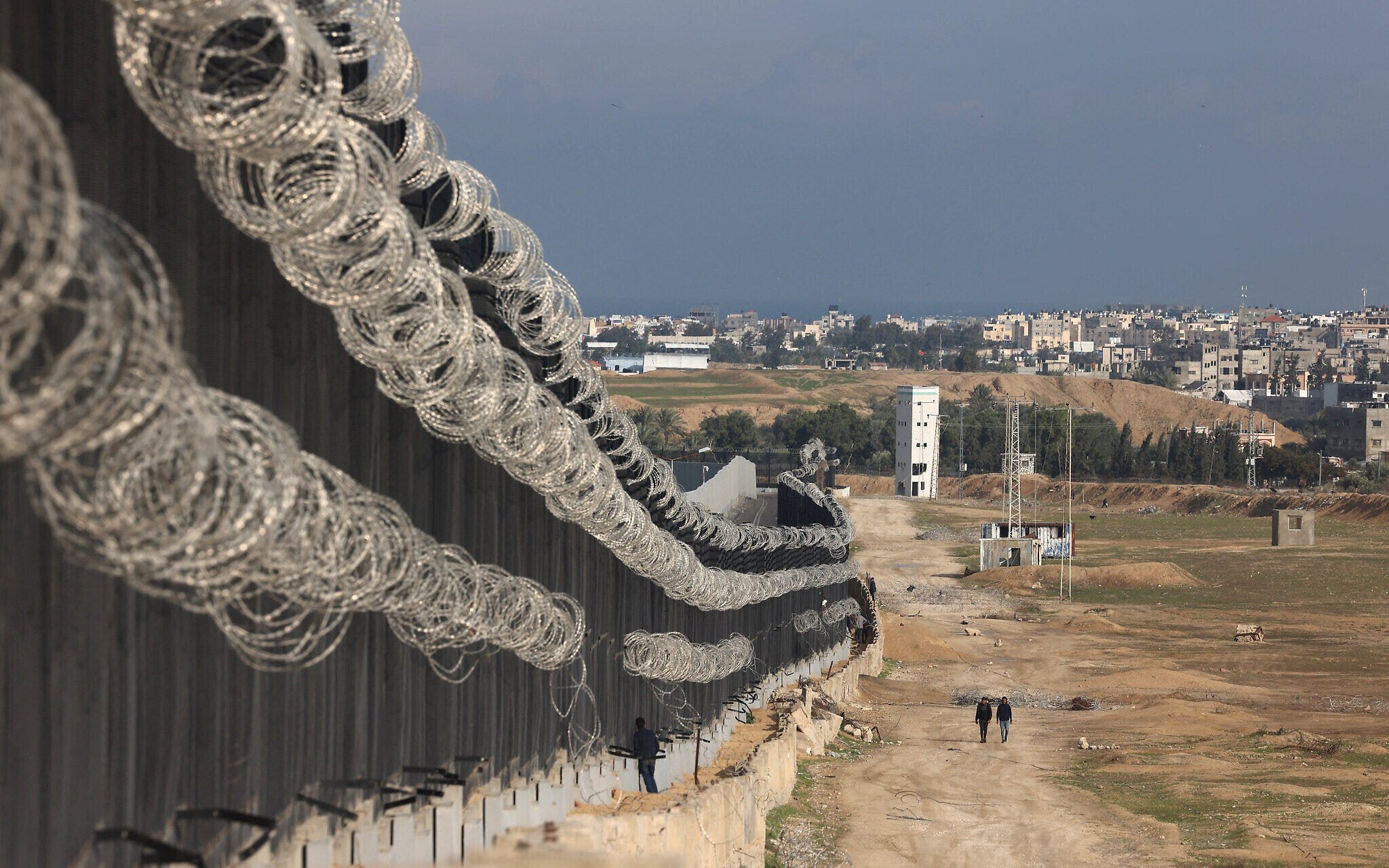
Egypt, in particular, maintains an iron-locked border at Rafah. While Cairo allows the occasional emergency medical case or foreign passport holder to exit, these exceptions are a mere trickle. For all practical purposes, the 2 million residents of Gaza have no way out. And that is not a situation Israel controls. It’s a direct consequence of decisions made in Cairo, Amman, Beirut, and elsewhere—where leaders have made it abundantly clear that they will not accept large numbers of Palestinian refugees under any circumstances.
This contradiction lies at the heart of the international hypocrisy. If Israel were truly attempting ethnic cleansing, where are the supposed destinations for these displaced people? No country—Arab or otherwise—has offered to take in Gazans, even temporarily in any real numbers. Sasson knows this, but chooses to ignore it.
The idea of enabling voluntary relocation—creating humanitarian exit pathways for civilians who wish to leave an active war zone—is not some sinister plot. It’s a pragmatic acknowledgment of reality. Gaza, under Hamas, has become a battlefield in which no civilian is safe and where aid is routinely hijacked by the ruling terror group. That’s not speculation—it’s documented fact. In such conditions, giving people the option to leave is not a crime; it’s a necessity.
Sasson’s framing creates a false and harmful binary: either Israel does nothing and allows Hamas to continue using civilians as shields, or Israel is committing war crimes. This is nonsense. There is a third path—one that acknowledges Hamas’s culpability, recognizes the region’s refusal to assist, and focuses on providing meaningful choices to civilians caught in the crossfire.
It’s time for serious commentators to stop pretending Israel is the party trapping Gazans. It isn’t. And it’s time to stop calling humanitarian proposals “ethnic cleansing” just because they’re politically inconvenient. If the international community wants to help Gazans, it should pressure Cairo and Doha—not just Jerusalem. Otherwise, this conversation isn’t about justice. It’s about scapegoating.