


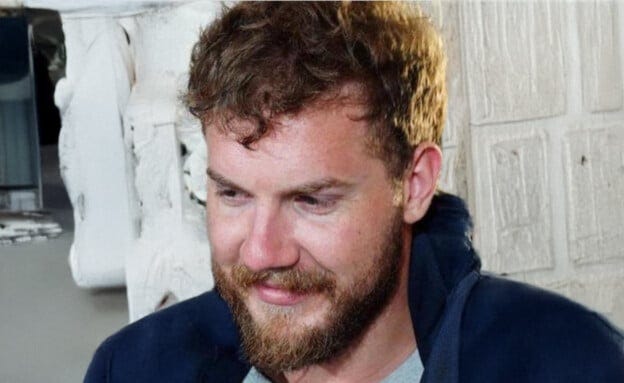
Roi Wasserstein, a 24-year-old combat medic from Netanya, died by suicide on Wednesday after serving over 300 days as an IDF reservist. He is one of six soldiers confirmed to have taken their own lives this month alone. While the Friends of the Israel Defense Forces allegedly pushes forward spending nearly one hundred million dollars on a new facility in that same city of Netanya, young men and women scarred by combat wait months for basic psychological intervention. This is the edifice complex in its most pernicious form: confusing monuments with medicine, buildings with healing.
The question is not whether soldiers deserve additional support or whether more capacity is needed - both are unquestionably true. The question is whether a hundred-million-dollar infrastructure project is the fastest way to save lives when soldiers are dying today. Israel already operates seventeen major psychiatric facilities, including several with explicit military expertise. Rambam Healthcare Campus in Haifa provides "mental health services to psychiatrically disabled military veterans." Hadassah Medical Center specializes in treating PTSD. Barzilai Medical Center treats "acute stress reactions following rocket attacks." Geha Mental Health Center offers 24-hour emergency psychiatric care with over 150 beds.
These facilities exist and have expertise. If they need more capacity immediately, why not expand them now? Rent additional space, hire more staff, extend hours, create satellite locations. If additional space is truly needed, why not rent the social hall of a synagogue, a community center, or any available building this week? Emergency mental health services require therapists and crisis counselors, not architectural blueprints. A hundred million dollars could fund immediate expansion of existing services, mobile crisis teams, and emergency interventions that begin saving lives Monday morning.
Why, one might ask, does a nation with comprehensive psychiatric infrastructure, emergency mental health services at every hospital, and existing military treatment programs require a hundred-million-dollar monument to FIDF's institutional vanity? The answer reveals the characteristic myopia of bureaucratic thinking: the confusion of container with contents, symbol with substance.
Mental health crises do not wait for construction permits. The soldier who cannot sleep tonight, who startles at car backfires, who cannot bear his family's touch, requires intervention now, not after years of architectural planning. Yet FIDF offers the promise of future buildings while soldiers die today.
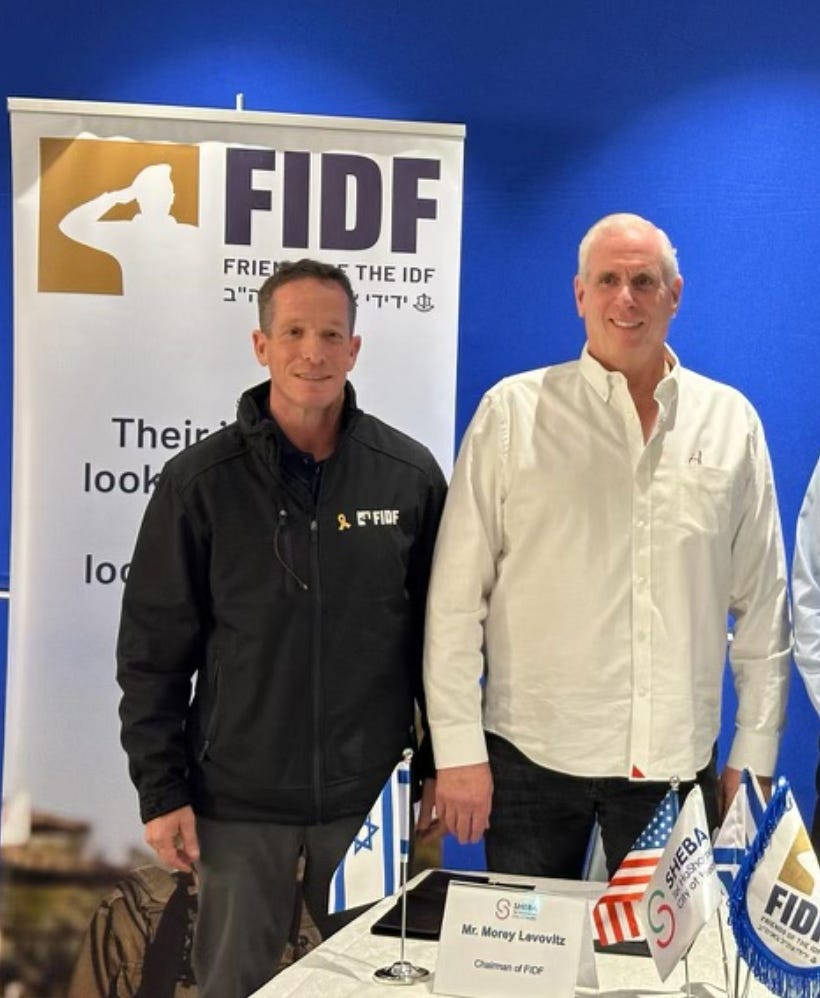
"This historic partnership marks a new era in the care and support of our soldiers," Murray Levovitz, then Chairman of FIDF, told the Jerusalem Post at the time. “We’re proud to partner with the Department of Defense and the Association for the Soldier in creating a world-class center that will provide our soldiers with the support they need for healing and growth. "
Consider what nearly one hundred million dollars could accomplish immediately. It could fund mobile crisis teams deployed this week. It could hire hundreds of therapists to work at existing facilities tomorrow. It could establish same-day appointment systems, 24-hour military suicide prevention hotlines, and comprehensive outreach programs reaching soldiers where they are. These are not theoretical benefits but immediate, life-saving interventions that could begin Monday morning.
But there is something seductive about grand projects, something that appeals to the donor class' desire for “tangible” legacy. A building bears plaques; successful suicide prevention is invisible. Emergency therapy sessions cannot be photographed for annual reports. The institutional imperative toward monumentalism reveals itself as moral exhibitionism, where the appearance of caring supersedes the urgency of actual care.
The cruel arithmetic is inescapable: while FIDF plans ribbon-cutting ceremonies, soldiers are cutting their lives short. While architects draft blueprints, families draft obituaries. The organization's response to an immediate crisis is to plan for future capacity rather than deploy existing resources with maximum efficiency.
This represents the triumph of bureaucratic process over human need, of institutional prestige over moral urgency. When soldiers are dying by suicide this week, the response cannot be "we're planning a facility." It must be "emergency teams are deployed today."
Israel possesses the infrastructure. What it lacks is the will to use it immediately and comprehensively. FIDF's Netanya project is not a solution to the mental health crisis; it is a monument to the organization's failure to grasp the difference between building institutions and saving lives.
The soldiers who need help today deserve better than promises of tomorrow's facilities. They deserve an organization that understands that in matters of life and death, urgency trumps architecture every time.
I know that soldiers are getting turned away from mental health services or they are waiting months to get help. The crisis is now. We can’t wait for a 5 years for a building to be built. This is so so upsetting.
exactly