


By any measure, Major General (ret.) Aharon Haliva oversaw the gravest intelligence failure in Israel’s history. He was head of Military Intelligence on October 7, when Hamas stormed across the border and massacred 1,139 Israelis. He resigned months later, but not in disgrace. He now collects a full pension while families bury their children, hostages remain in Gaza, and survivors rebuild their shattered lives.
In leaked recordings broadcast by Channel 12, Haliva acknowledges the catastrophe. “The system can’t grow back with all the old officials,” he said, urging those who have yet to step down to “Go, go.” He continued: “I think these people can’t look in the mirror, can’t look at their children, it’s hard. With authority comes responsibility. I’m telling you that there is a cultural failure here that has been going on for years, and it is deep.”
Strong words. Yet the man who claims responsibility left office with full honors and lifelong financial security. He tells others to resign but bears no penalty himself. This is the bankruptcy of accountability.
The record is damning. On October 6, the eve of the massacre, Haliva was vacationing in Eilat. He received warnings of troubling Hamas activity on the Gaza border but, by his own admission, went back to sleep. He later defended scheduling the first Military Intelligence assessment for 8:30 a.m., claiming subordinates had given him the impression that the threat was “unusual but not immediate.” Hamas attacked at 6:29 a.m., two hours before that meeting was set to begin. It was not bad luck. It was catastrophic misjudgment by the man charged with protecting the country.
Haliva is not wrong that Israel faces a cultural failure. But he embodies it. His pension is not just money. It is the symbol of a military establishment that protects its own even when it fails catastrophically. Every check Haliva cashes is an official validation of failure. The lesson for future intelligence chiefs could not be clearer: preside over disaster, and you too can retire in comfort.
The scandal is not limited to one man. It is a system that confuses institutional loyalty with moral duty. Leaders will speak boldly about the failures of others but will not confront the failures that stain their own house. The cost is measured in Israeli lives.
Where is the outrage over soldiers sent into Gaza without proper helmets, vests, or nightvision? Where are the generals demanding resignations for the logistical collapse that forced young men to buy their own gear in wartime? Haliva is correct to thunder about “deep cultural failure,” as few leaders dare apply that language to the shortages that left soldiers unprotected in combat.
Leadership is responsibility. To invoke it while insulating oneself from consequence is worse than hypocrisy. It corrodes the trust that binds citizens to their institutions. If a nation allows its elites to walk away from disaster with pensions intact while ordinary families live with grief, it cannot expect public confidence to endure.
Aharon Haliva is more than a failed general. He is a monument to a culture that rewards failure at the highest levels while demanding sacrifice from the lowest. His pension is not a technicality. It is a monument to institutional rot. Each day he collects it, accountability dies a little more.
Israel cannot afford such complacency. The next war will not wait. If its institutions continue to protect themselves rather than their people, Haliva’s disgrace will be remembered not only for what it cost in the past, but for what it will cost in the future.
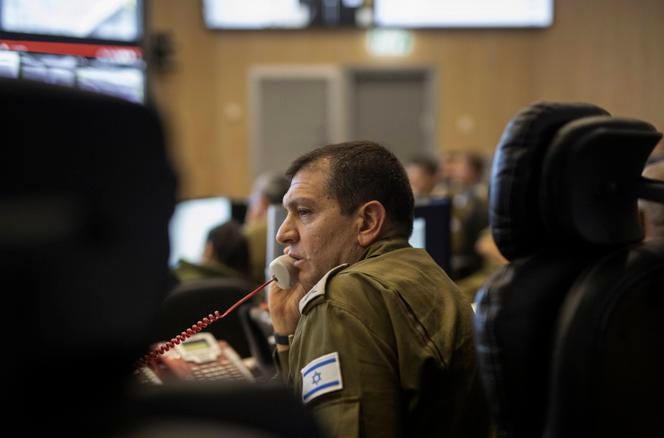
The IDF brass on 10/7 failed Israel as badly as the French brass against the invasion of France in 1940 and the American brass right before Pearl Harbor