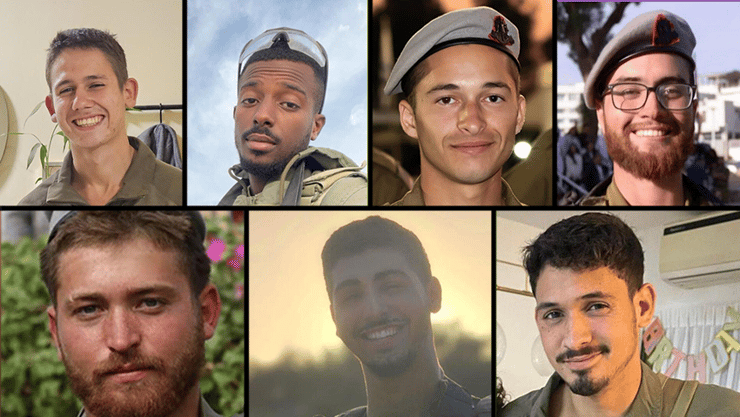
The deaths of seven soldiers from the IDF’s 605th Combat Engineering Battalion in Khan Younis were not the tragic byproduct of battlefield chaos—they were the result of documented, repeated, and ignored failures. That is the accusation now being leveled not by political critics or watchdog groups, but by the families of the fallen themselves.
In a scathing letter sent to the battalion commander and top Israeli officials—including the State Comptroller, the Defense Minister, and the Chief of Staff—these families made their outrage unambiguous:
“This ‘incident’ was unnecessary and preventable. It is inconceivable that the battalion under your command is the only one in the IDF still using old, defective vehicles lacking the protections routinely given to all other infantry and engineering units.”
Their letter continues with an accusation that cuts to the heart of Israel’s military credibility:
“We, the parents of Battalion 605, are shaken and appalled by the gross negligence that led to this horrific event, where we lost seven beloved fighters—our sons entrusted to your care.”
These are not vague complaints. The families allege that soldiers were sent into battle in outdated APCs (like the Puma), some of which had non-functioning brakes, no working air conditioning, and even hatches that could not close—a failure that directly enabled the enemy to throw in an explosive during the fatal attack.
Equally shocking is the claim that modern, properly equipped vehicles are available—but were not deployed. “How is it,” one mother asked, “that there are protected vehicles sitting unused in storage while our sons die in broken ones on the front line?”
And this:
“Seven families will never get their loved ones back, but every Israeli mother should know—the army is not saving money at the expense of soldiers’ blood.”
Let’s speak plainly: sending soldiers into active combat zones in knowingly defective equipment is not just a failure of logistics—it is a criminal act of gross negligence. This is not an isolated mishap; it is a pattern of willful disregard for human life that demands a full criminal investigation. Who signed off on deploying unarmored and malfunctioning vehicles? Who ignored repeated warnings from families and soldiers alike? The IDF cannot be allowed to police itself behind closed doors. These failures must be probed by an independent investigative authority, and those responsible—regardless of rank—must face legal consequences. Anything less would make a mockery of justice and spit in the face of the families who paid the ultimate price.
The letter concludes with a demand for immediate replacement of the faulty vehicles and a full investigation into the tragedy. The families are not asking for favors—they are demanding the bare minimum: that the IDF protect its soldiers with the tools it already possesses.
Their message is clear: enough of the delays, the deflections, the deadly incompetence.
Replace the equipment. Investigate the failure. Hold the responsible parties accountable.
Before more families are forced to write another letter soaked in grief, blood and fury.