Bret Stephens, in his effort to shield Israel from the slanderous charge of genocide, relies too heavily on body counts and statistical reasoning. But genocide is not defined by numbers. It is defined by intent. And in the case of Israel, the charge is not only false, it is a moral travesty.
The massacre of October 7 revealed, with unmistakable clarity, the genocidal intent of Hamas. That attack was not an act of war. It was a ritualistic slaughter. Civilians were burned, raped, and mutilated in their homes. Infants were executed. Families were hunted. This was not resistance. This was elimination. And it was celebrated.
Genocide, as defined in international law, requires a deliberate attempt to destroy a people in whole or in part because of their national, ethnic, racial, or religious identity. The key element is not scale but purpose. Israel's conduct, for all its military force and operational errors, reflects the opposite of such intent. No genocidal regime warns civilians before attacking. No army driven by extermination sets up corridors for evacuation and drops leaflets urging noncombatants to flee.
Stephens weakens his case by retreating into mathematics. He misses the real ground on which Israel stands. The moral contrast between Israel and Hamas does not require charts or ratios. It requires only eyes to see and a conscience to recognize that one side targets civilians and the other targets terrorists. One side uses its people as human shields and the other tries, sometimes imperfectly, to protect those very same civilians.
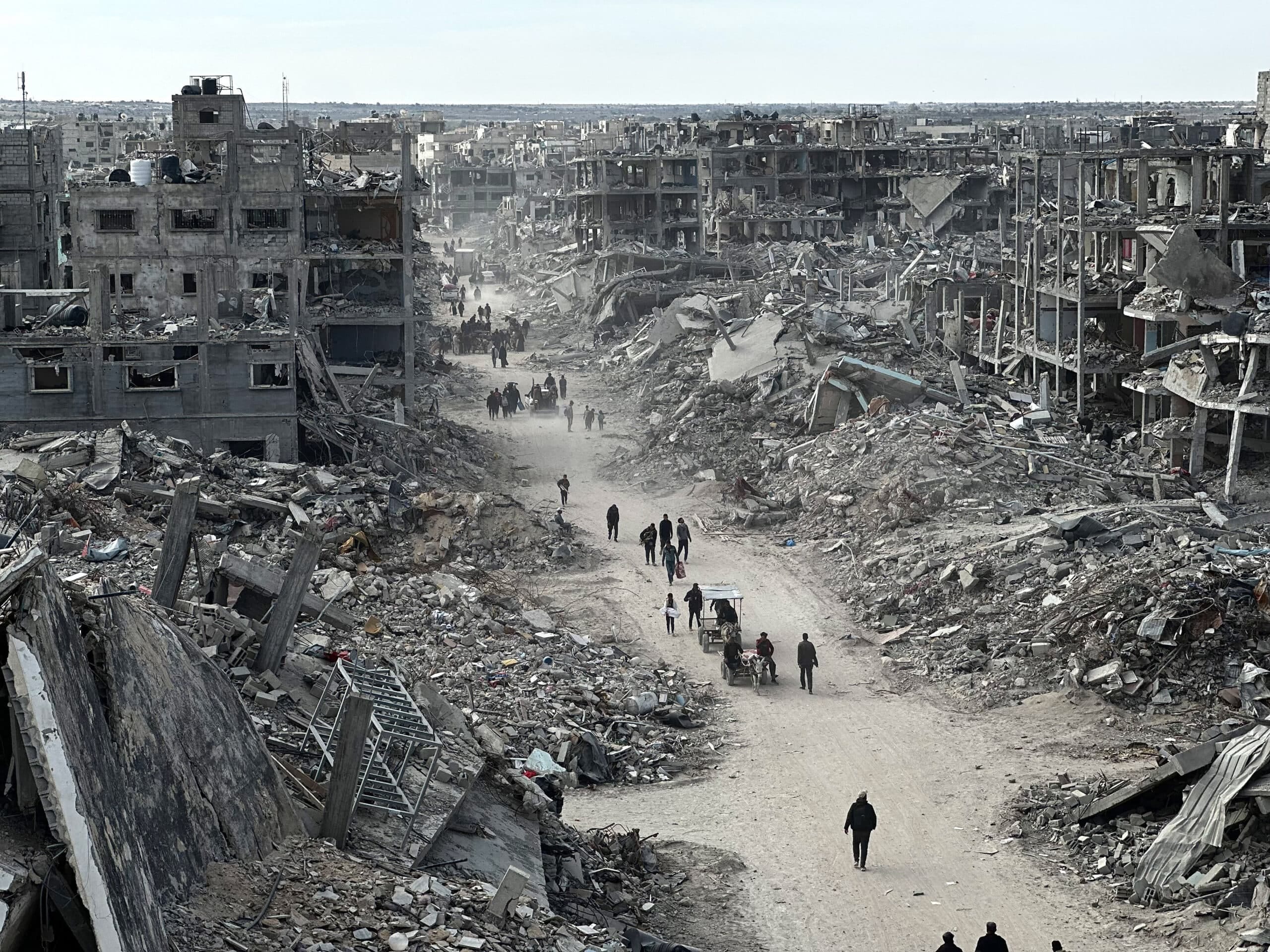
Israel’s error lies in its decision to restrict access to foreign journalists. In a world addicted to visuals and headlines, absence of coverage becomes its own indictment. The fog of war is always dangerous. The fog of misinformation, even more so. By limiting transparency, Israel has allowed false narratives to thrive. This is not evidence of guilt, but it is a strategic mistake with consequences far beyond the battlefield.
Hamas operates in darkness because darkness serves its aims. It diverts humanitarian aid, loots medical convoys, and then blames Israel for the resulting suffering. It manipulates casualty reports, inflates death tolls, and stages scenes for sympathetic media. This is not war. It is theater. And the audience, eager for a villain, casts Israel in the role.
The strength of Stephens’s argument lies in his warning about the overuse of the word genocide. Once the term is detached from its true meaning, it becomes a political bludgeon rather than a moral indictment. Real genocides are erased when fake ones are invented. But Stephens could have gone further. He should have abandoned the language of quantity and embraced the language of principle.
Israel is not conducting a genocide. It is fighting a genocidal enemy. It is doing so with restraint, with warning, with humanitarian corridors and supply trucks that are often looted by the very enemy it is trying to destroy. This is not Rwanda. It is not Cambodia. It is not the Warsaw Ghetto. It is war against an enemy that hides behind its own children while plotting the death of yours.
The world is free to judge. But let it judge with clarity. Let it judge with honesty. And let it recognize that moral equivalence in this conflict is not just wrong. It is an obscenity.