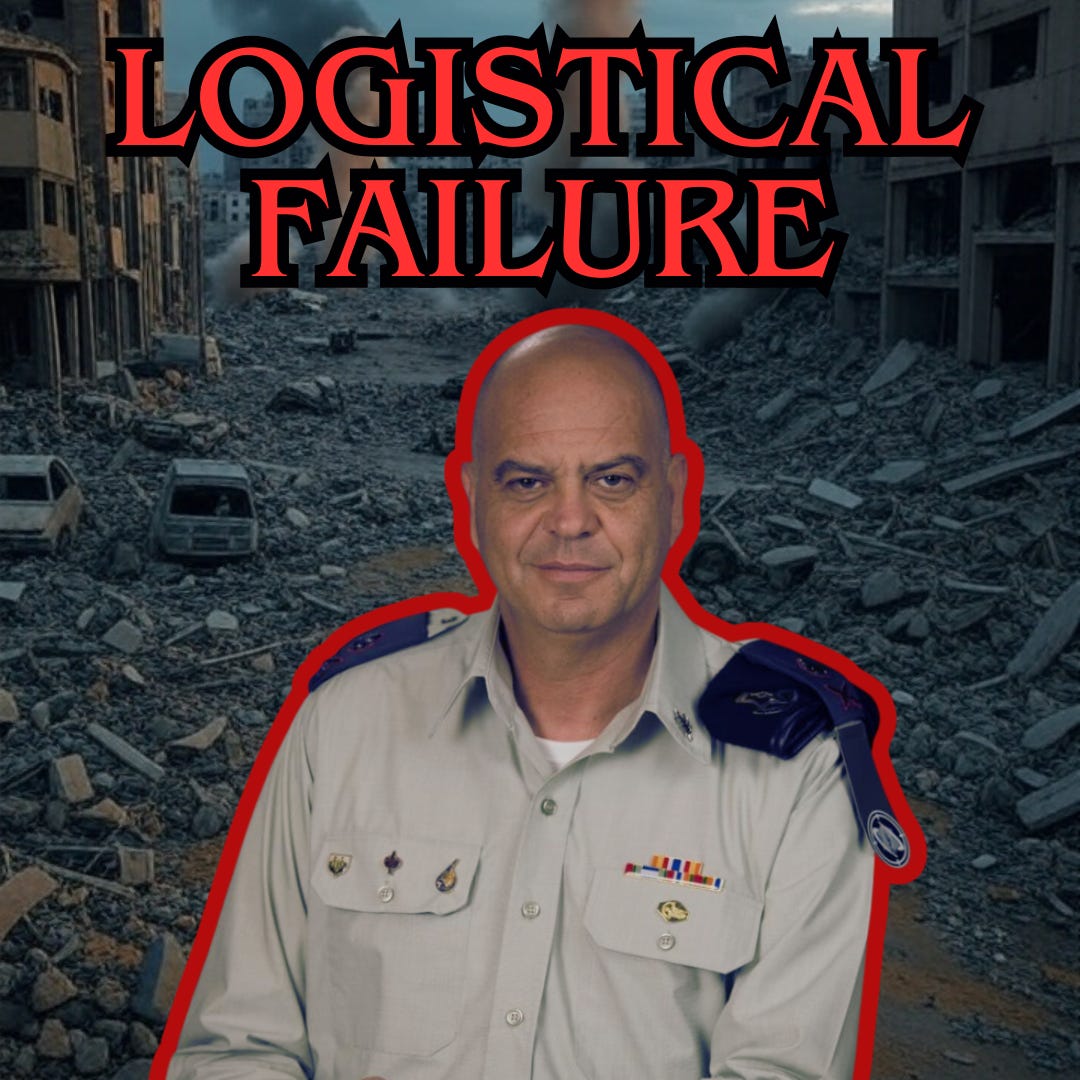
There are failures of logistics, and then there are failures of moral obligation. The death of seven IDF soldiers in a Puma armored vehicle near Khan Younis was not just a military misstep. It was a scandal of systemic neglect, where warnings were ignored, equipment was broken, and lives were thrown away. This tragedy was not fate—it was failure.
The soldiers who entered that Puma knew the risks. They pleaded with commanders: "This vehicle doesn’t protect us. We’re exposed. A terrorist could toss in a grenade or explosive." They weren’t wrong. The vehicle lacked basic underbelly protection. It had no active defense system. Its hatch didn’t lock and had been crudely tied shut with a rope. Its cameras were nonfunctional. According to internal IDF investigations, every one of these failures was known in advance. Soldiers said they spent more time dealing with mechanical breakdowns than conducting operations. Still, they were ordered to ride into battle in a vehicle that should have been decommissioned long ago.
The Puma was initially assigned to a reserve unit—who flat-out refused to use it due to its poor condition. Instead of pulling it from service or repairing it, the army reassigned it to an active-duty unit. No fixes. No upgrades. Just new passengers in the same death trap.
What magnifies the outrage is that the Puma is typically used to carry explosives. That day, it was empty. Had it been loaded, the devastation would have been even more catastrophic. But the fact that this possibility even existed—under conditions this preventable—should shake the entire command structure to its core.
At the center of it all is Major General Michel Yanko, head of the IDF’s Technological and Logistics Directorate. This is the same man who knowingly sent tens of thousands of reservists into war with inadequate helmets and unfit ballistic vests. Under his watch, soldiers begged civilians on Facebook to fund their gear, as the army failed to provide essentials. Unsafe helmets were distributed en masse. Ceramic vests were withheld. And Yanko, when pressed, coolly explained that only certain units would receive proper equipment depending on the “type of mission.” As if protection were optional. As if lives were conditional.
This isn’t war fog. This is a pattern of callousness.
Michel Yanko is not a junior officer caught in the crossfire of red tape. He is the man in charge. The man who had the power to say, “This vehicle is not safe. These helmets don’t work. These soldiers deserve better.” He chose not to. And now, we bury the consequences.
Negligence. Avoidable. Heartbreaking.
The IDF prides itself on moral clarity and technological prowess. But no innovation can cover for leaders who deploy soldiers with broken gear and empty promises. No battlefield victory can justify command decisions that knowingly sacrifice lives to cover bureaucratic incompetence.
Michel Yanko must resign. Not to save face, but because the lives of our soldiers depend on leadership that treats them as sons, not statistics. Anything less is a betrayal of the very oath the IDF is sworn to uphold.