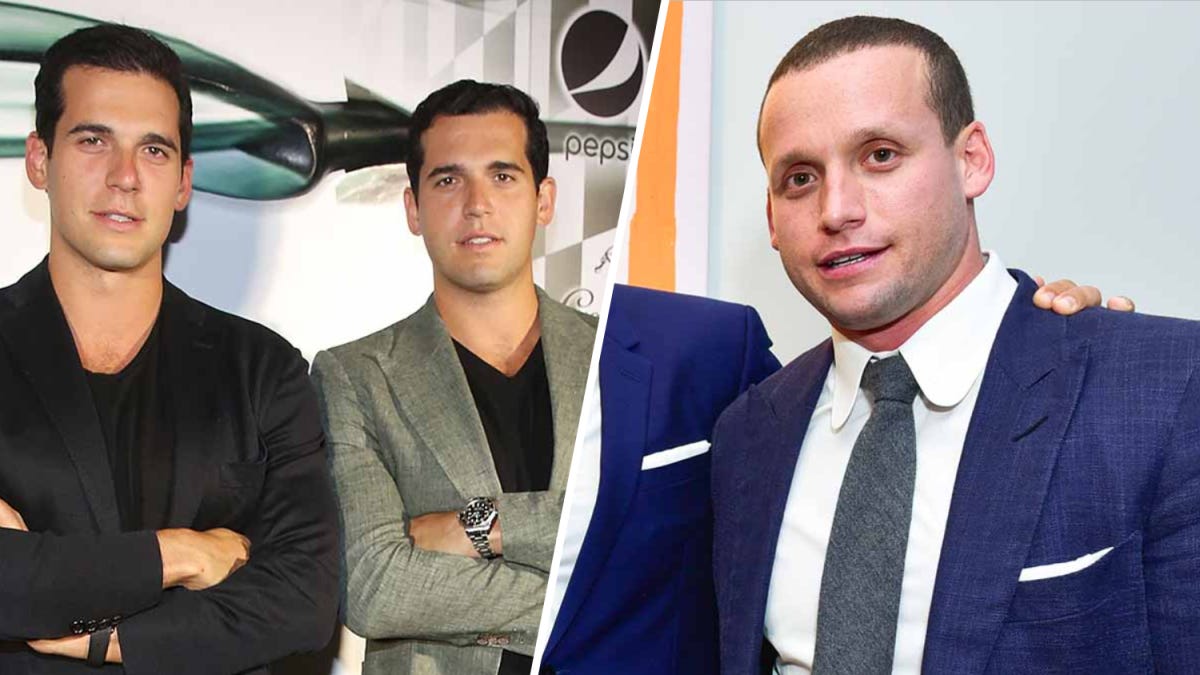
On June 6, 2025, Alon, Oren, and Tal Alexander filed (document below) a massive $500 million lawsuit against The Real Deal and its parent company, Korangy Publishing, in New York State court. The lawsuit accuses the publication of defamation, specifically launching what they call a coordinated smear campaign aimed at ruining their names and reputations. According to the filing, The Real Deal started running false and misleading stories about the brothers back in June 2024—and kept going, even after being told the reporting was wrong.
The Alexanders say the outlet knew the information wasn’t accurate but chose to publish it anyway, deliberately trying to humiliate and destroy them in the public eye. They claim the ongoing attacks have caused serious emotional and even physical harm. The brothers are asking for at least half a billion dollars in damages, along with legal fees and other costs tied to the case.
In response to the lawsuit, Amir Korangy, founder and publisher of The Real Deal, issued a strongly worded statement dismissing the Alexander brothers’ claims. He framed the lawsuit as a billionaire-led attack on press freedom, calling it “a legal stunt” and suggesting it’s part of a broader trend of powerful people trying to intimidate journalists. Korangy insisted that the outlet’s reporting was “fair and conscientious” and defended it as a legitimate exercise of investigative journalism. He also invoked the First Amendment, arguing that attempts to “punish the press” are really attacks on the public’s right to know.
But here’s the problem: this isn’t about the First Amendment. The press has the right to report the truth — not to knowingly publish false or misleading information that damages reputations. Korangy’s statement sidesteps the actual claims in the lawsuit, which allege that The Real Deal was informed its reporting was inaccurate and chose to go forward anyway. That’s not journalism — that’s negligence, at best. Raising the flag of free speech doesn’t absolve anyone from responsibility if they knowingly spread falsehoods that cause real harm.
The broader media landscape should take notice. There’s a difference between tough reporting and reckless smearing. And while The Real Deal tries to cast itself as the underdog fighting for truth, it now faces a legal battle over whether its reporting crossed the line. As this case moves forward, more facts will come to light — and the public will be watching.
This lawsuit is a reminder of just how fast the media can move to amplify serious accusations—without verifying the facts. Instead of waiting for evidence or a day in court, many outlets ran with recycled claims that painted the worst possible picture. The Alexander brothers are now fighting back.