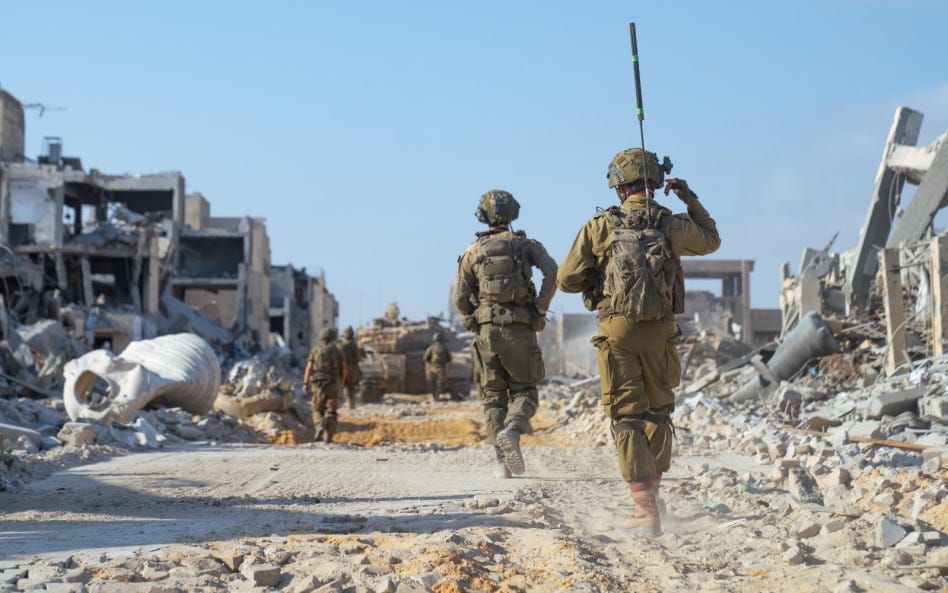
Those who support Unit 11741 understand what the broader public is only now discovering: the Israeli Defense Forces has suffered from chronic equipment shortages long before October 7th transformed the security landscape. This enduring crisis, which supporters have witnessed for years, has now erupted into public view through a recent Maariv report revealing that soldiers are once again crowdfunding for helmets. Helmets! The same shameful spectacle that plagued the IDF before the current war has returned with a vengeance, worse than ever, as if we were discussing charity drives for school supplies rather than life-or-death equipment needed by those who stand between civilization and its enemies. There exists a peculiar form of moral bankruptcy that manifests not in grand gestures of betrayal, but in the quiet erosion of basic obligations that has persisted across administrations and conflicts.
Any serious strategic analyst would recognize this immediately as a recurring catastrophe that has only deepened over time. The IDF's equipment crisis represents nothing less than the chronic failure of national priorities. When tank engines fail after exceeding operational limits, when combat vests disintegrate from overuse, when parents once again organize group purchases of thousand-shekel helmets, we witness not a new problem but the accelerating collapse of military readiness. This is not mere logistics; this is the systematic undermining of deterrence itself, now laid bare for all to see.
The absurdity would be almost comical if it weren't so dangerously familiar. Here we have a nation spending billions on defense, yet its soldiers are back to posting social media appeals for basic protective gear. The irony has grown even richer: the same technology that allows Hamas to broadcast propaganda now serves, once again, as a marketplace for IDF equipment needs. In the digital age, military procurement has been permanently democratized through GoFundMe campaigns, and the problem has only gotten worse.
Meanwhile, the established charity apparatus continues its elaborate charade of relevance, having learned nothing from past failures. Organizations like the Friends of the Israel Defense Forces (FIDF), under the aimless leadership of figures like Nadav Padan, persist in comfortable fundraising routines while soldiers are once again literally begging for basic equipment online. These institutional parasites have perfected the art of gaslighting desperate fighters, offering feel-good programs and recreational activities while the fundamental crisis of combat readiness has only deepened. They host gala dinners and issue press releases about "supporting our heroes" while those same heroes sleep in deteriorating gear and enter battle zones with equipment held together by prayer and duct tape.

This is not merely bureaucratic incompetence; it is institutional gaslighting that has reached criminal proportions. When soldiers from Battalion 50 of the Nahal Brigade are back to posting desperate appeals for donations, they essentially admit that the entire support structure has failed them repeatedly. The Maariv article details how parents are once again forced to organize group purchases of thousand-shekel helmets because official channels have abandoned their most basic responsibilities. Yet the charity establishment continues collecting millions while offering platitudes instead of protection, having learned nothing from years of this recurring crisis.
Beneath this incompetence lies deeper betrayal of fundamental principles that has only grown more shameful with repetition. Jewish survival has never depended on the goodwill of others, but on Jewish strength and self-reliance. When IDF soldiers repeatedly find themselves sleeping in armored vehicles with deteriorating equipment, when they enter combat zones with gear held together by determination rather than proper maintenance, we betray the sacred obligation to protect those who protect us. The established non-profits have become part of the problem, creating false support while real needs go chronically unmet.
The bureaucrats will offer the same tired explanations about budget cycles and procurement procedures they've been recycling for years. Charity leaders will speak of their "comprehensive support programs" and "holistic approach to soldier welfare," the same empty phrases they've used while this crisis has worsened. But while they shuffle papers and host fundraising events, real soldiers face real dangers with inadequate protection. This is not just institutional failure; it is moral failure of the highest order, compounded by gaslighting those who dare speak truth about their ongoing needs.
The solution requires neither complex analysis nor extended deliberation. Unit 11741 represents more than just another charity; it represents our collective responsibility to those who risk everything for Israel’s security. When we donate directly to ensure these heroes receive proper equipment, we bypass the failed institutional apparatus that has proven incapable of learning from its repeated failures.
The choice before us is stark: we can either fund our defenders properly through direct action, or continue enabling this shameful spectacle of warriors repeatedly reduced to charity cases while established organizations gaslight them about their "comprehensive support." Support Unit 11741 directly. Because Jewish survival has never depended on the kindness of strangers or the competence of bureaucrats, but has always depended on Jews taking care of their own.