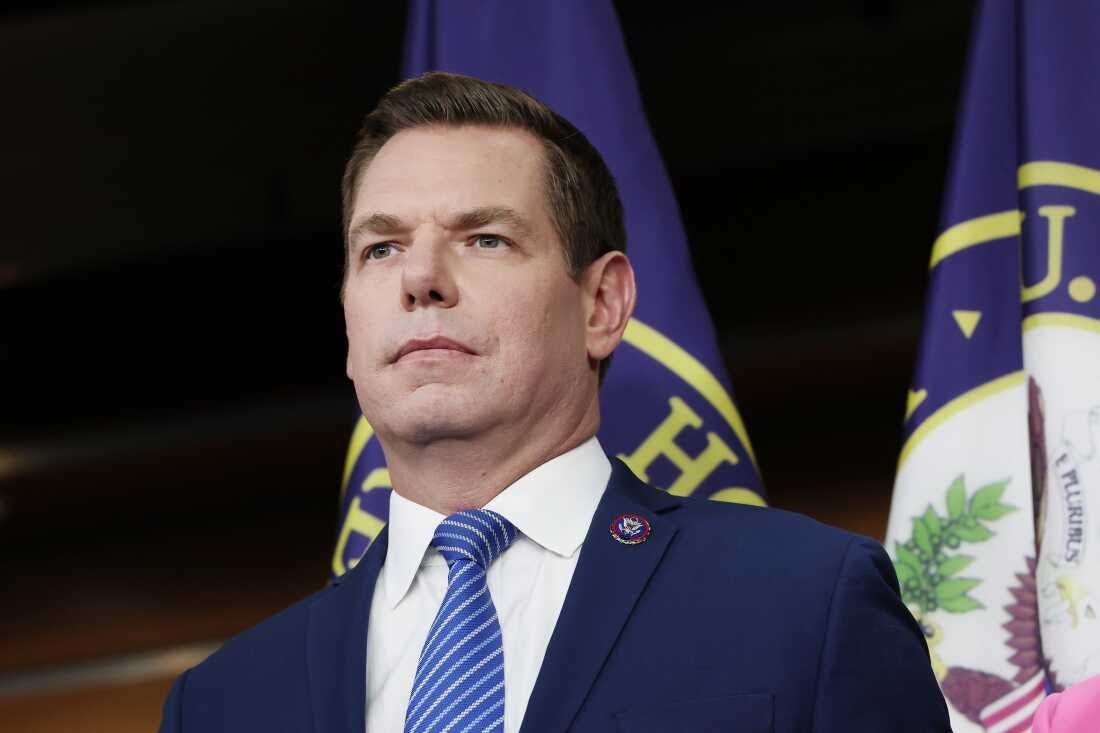
The Department of Justice already has the blueprint. Now it must use it to indict Eric Swalwell.
On March 9, 2026, federal prosecutors in the Southern District of New York convicted the Alexander brothers of sex trafficking conspiracy under 18 U.S.C. § 1591 and § 1594. This followed the high-profile trial of Sean “Diddy” Combs, where prosecutors aggressively pursued sex trafficking and transportation charges based on the exploitation of power and coercion. The precedent is unambiguous: when powerful men exploit their status and resources to create coercive or fraudulent sexual situations, that is sex trafficking. The DOJ wrote the playbook. Applying it to Swalwell is not a stretch. It is a test of equal justice.
At least four women, including a former congressional staffer, accuse Swalwell of using his official position to lure them into non-consensual sex. The allegations map directly onto the statute’s core elements: force, fraud, and coercion.
Start with coercion. One former staffer says Swalwell assaulted her twice while she was too intoxicated to consent. First in 2019, when she was 21 and newly hired in his district office. Again in April 2024, after a night of drinking at a New York charity gala. She told reporters she woke up in his hotel bed to him having sex with her, left bruised and bleeding, having already said no. The law is clear: exploiting a victim’s incapacitated state, especially when the perpetrator encouraged the drinking, is coercion under § 1591.
She is not alone. At a news conference, Lonna Drewes publicly accused Swalwell of drugging her drink and sexually assaulting her. This is not a pattern of bad judgment. It is a pattern of predation.
The power imbalance makes it worse. Swalwell allegedly dangled mentorship, campaign roles, job recommendations, and access to political networks. Victims were drawn into private settings under the implied promise of career advancement. Refusal carried the unspoken threat of professional ruin in a world where his word carried enormous weight. Based on the precedent set by the Diddy and Alexander trials, where the weaponization of influence and resources was central to the prosecution’s case, this kind of superior-subordinate exploitation is a natural case for the DOJ.
Fraud is equally present. Multiple women allege Swalwell approached them under the guise of professional mentorship, then pivoted to explicit demands, unsolicited nude photos, and sexual pressure. Inducing victims into situations through deliberate misrepresentation of the relationship’s nature is textbook fraud by deception.
Taken together, the allegations are not isolated incidents. They are a scheme. Spanning 2019 through 2024, involving interstate travel, and coordinated through his congressional office and campaign apparatus, this is exactly the kind of ongoing venture the sex trafficking statute was designed to prosecute. Over 50 former staffers have signed a joint letter condemning the behavior. The infrastructure of his office was the instrument of the crime.
Swalwell has denied everything, suspended his gubernatorial campaign, and resigned from Congress under bipartisan pressure. The Manhattan DA is investigating. None of that defeats federal criminal liability. Resignation is not accountability. The Alexander and Diddy precedents are clear: status and inducements used to coerce or defraud victims into sexual situations is sex trafficking. Mandatory minimum of 15 years. Maximum is life.
The DOJ has the facts, the statute, and the precedent. What it needs now is the will. High office is not a shield. Indict him.