


In a recent Haaretz interview, Yair Littman Nehorai issued a dire warning about the future of Israel. Nehorai is not a household name. He is a lawyer, the son of a religious Zionist rabbi, and a longtime critic of what he calls “messianic extremism.” He has spent years lecturing, publishing, and filing lawsuits against religious Zionist institutions. His latest claim is the most sensational yet: that Israel is on the verge of falling to a messianic coup. According to him, the army has already been captured by religious zealots, the state is becoming a halakhic dictatorship, and within a generation, no liberal will be able to live in Israel.
This claim is nonsense. Worse, it is slander against Judaism itself.
Belief in the coming of Moshiach is not the invention of extremists in pre-army yeshivas. It is not a recent political project. It is a pillar of Judaism, codified by the Rambam nearly a thousand years ago as one of his Thirteen Principles of Faith. Ani Ma’amin b’emunah sheleimah b’viat haMoshiach—I believe with perfect faith in the coming of the Messiah. Jews have said these words in shtetls, in ghettos, in camps, and in exile. They whispered them on their way to the gas chambers. And now Haaretz tells us that those who still believe them are a threat to democracy.
This is not an attack on extremism. It is an attack on Judaism.
The Rambam, the greatest rationalist in Jewish history, wrote plainly: the Jew who denies the coming of Moshiach denies Judaism itself. This is not optional. It is not metaphorical. It is fundamental. Without that hope, Judaism collapses into little more than a tribal ethic or a cultural hobby.
Nehorai and those like him confuse faith with fanaticism. Yes, some rabbis have abused messianic language, treating every war as redemptive or every disaster as divine choreography. That is distortion, not essence. Judaism has long known the dangers of false messianism, from Shabbtai Tzvi to fringe apocalyptic sects. But no abuse of an idea nullifies the idea itself. We do not abolish medicine because quacks exist. We do not abandon justice because tyrants pervert it. And we do not throw away belief in Moshiach because a few have misused it for political theatrics.
To portray belief in redemption as a plot against the state is intellectual malpractice. Worse, it is dangerous. Because it sends a message to millions of Jews: your faith, the faith of your ancestors, is illegitimate. Your very Judaism is now suspect.
The irony is staggering. For two millennia Jews longed for Moshiach without a state, without power, without armies. They prayed, they dreamed, they endured. That hope kept them alive. Now that Jews finally have a modern state and an army (though this is different than Israel in the time of Moshiach), the secular left insists the hope itself is the problem. In Nehorai’s world, the thing that sustained us through exile is the thing that will undo us in sovereignty. That is not just wrong—it is suicidal.
Take his claim that the IDF has “fallen” to messianism. What does he mean? That young religious men, motivated by faith, have risen to the ranks of command? That rabbis provide soldiers with spiritual support? This is supposed to be a coup? The IDF is still the most pluralistic institution in Israel. Secular, religious, men, women, Jews, Druze, Christians all serve together. If a soldier draws strength from believing his service is part of the Jewish mission, that is not a danger. That is an asset. It gives him courage, purpose, and resilience. A soldier who fights with conviction that Jewish life has divine meaning is not less humane. He is more steadfast.
Only someone blinded by secular dogma could see that as a threat.
Nehorai’s contempt for messianic belief also exposes the hollowness of his own worldview. If Israel is just another country, if Jews are just another nation, if history has no meaning beyond politics, then of course messianism looks dangerous. Because it reminds us that Israel is not just another Western country. It is the latest chapter in a four-thousand-year covenant. The Jewish people without that truth are rudderless and full of despair.
And despair is exactly what Nehorai offers. “The army has fallen. It’s already lost.” This is not analysis. This is defeatism. It is the creed of those who no longer believe in the future of the Jewish state, so they demonize the faith of those who do.
Judaism does not glorify despair. It sanctifies hope. The Rambam was clear: Jews must not only believe in Moshiach, they must await him. Every day. That does not mean sitting idle or plotting coups. It means living with faith, with responsibility, with an unshakeable belief that history is not random, that Jewish survival has meaning, that tomorrow can be better than today.
This is the message that sustains Jews in exile. It is the message that should give Israel its moral core. And it is the message Nehorai seeks to banish from public life.
Israel has enough real enemies: Hamas, Hezbollah, Iran, the global chorus of slander. It does not need a self-inflicted war on Judaism itself. To call belief in Moshiach dangerous is to amputate the very soul of the Jewish people. Without that belief, there is no Judaism. Without it, there is no Zionism. Without it, there is no Israel.
The Rambam’s words echo through history: “Though he may tarry, nevertheless I await him every day.” That is not fanaticism. That is the heartbeat of Jewish existence. The real danger is not that Jews still believe it. The real danger is that some Jews, intoxicated by secular ideology, have forgotten why Israel exists at all.
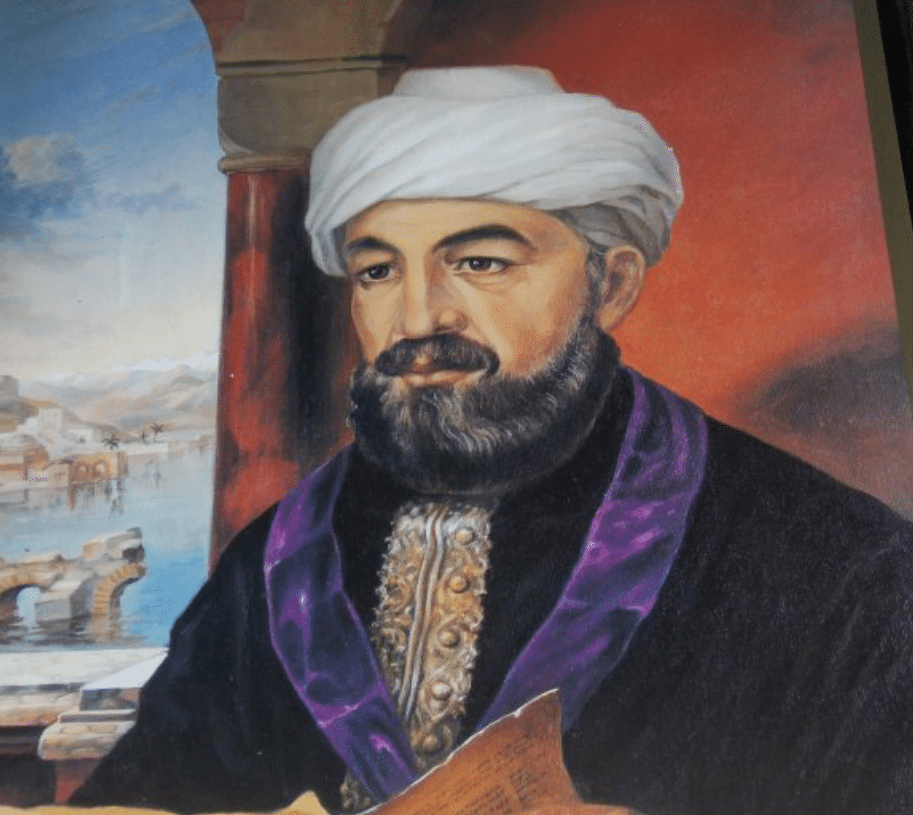
The Rambam’s words echo through history: “Though he may tarry, nevertheless I await him every day.”
The text of אני מאמין was not written by the Rambam, and in his Ikkarim the Rambam himself includes an attack on active messianism that would include a large number of contemporary Israelis: https://www.sefaria.org.il/Rambam_on_Mishnah_Sanhedrin.10.1.29?lang=he
The Israeli left is thankfully of little interest to the general Israeli public but they don't give up easily!