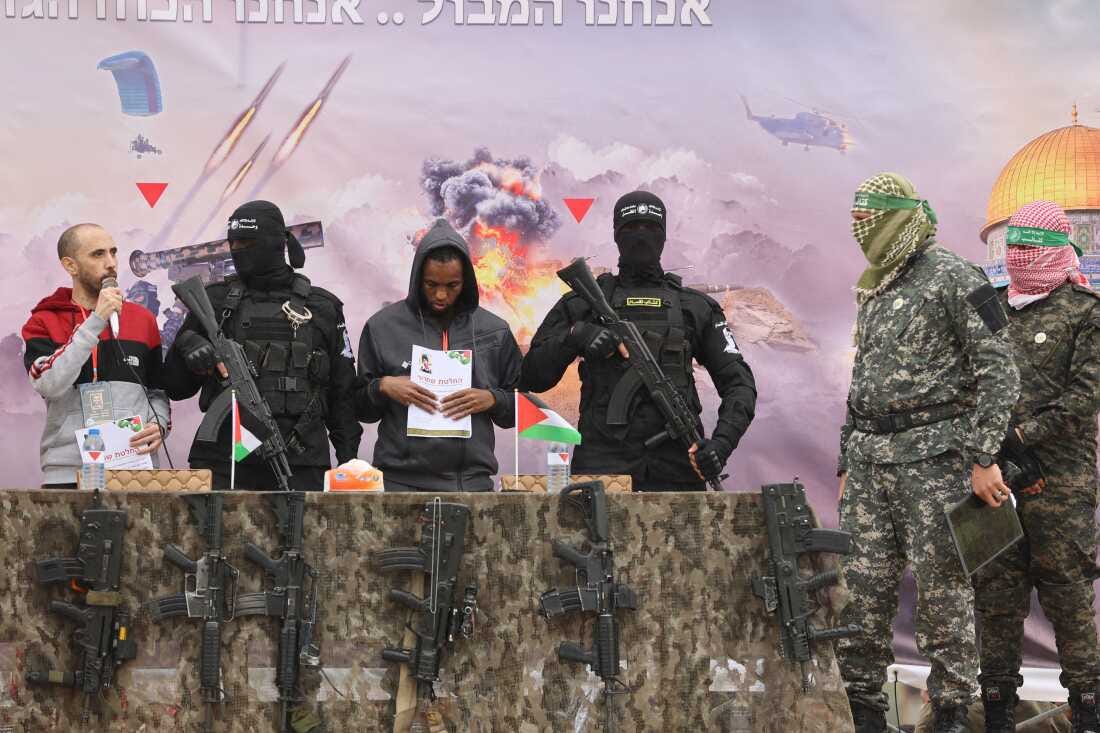
This is about the real, human suffering happening right now in Gaza—not to its general population, but to the hostages still held by Hamas. A new report from Israel's Ministry of Health, based on the brave testimonies of 12 recently freed hostages, gives us a harrowing glimpse into the nightmare they endured. It tells a story of calculated cruelty: of being systematically starved, denied medical care for grievous wounds, and forced to live in unimaginable filth and fear. This wasn't just the collateral damage of war; it was deliberate, psychological and physical torture. Their stories are a gut-wrenching reminder of the horror that those still in captivity face every single moment, and a desperate plea to the world not to look away.
State of Israel Ministry of Health Medical Directorate
Date: August 12, 2025 Ref: 1221037901122
Subject: The Effects of Captivity on the Physical and Mental Health of Hostages Returned from Gaza (January-February 2025)
Background
On October 7, 2023, Hamas terrorists massacred residents of the Gaza envelope communities and nearby cities. They barbarically murdered hundreds of children, women, the elderly, and men, while also committing associated crimes including abuse, burning people and homes, rape, and looting. As part of these heinous acts, the terrorist organization took 251 civilians, soldiers, and even the bodies of the deceased as spoils of war, with the aim of trading them with the State of Israel and maximizing the achievements of the war, as well as protecting the organization's leaders from IDF attacks. Children were torn from their beds; the elderly, women, and men were abducted from their homes and taken into captivity. Some were injured during the attack on their homes, and others were harmed as they were paraded through the streets of Gaza on vehicles and motorcycles, in front of a mob that beat them mercilessly.
During the first month of the "Swords of Iron" war, four women were released, and one female soldier was rescued in a military operation. Seven weeks after the war began, a deal was signed for the return of some of the hostages, which was implemented between November 24, 2023, and December 1, 2023. Under this deal, 105 living hostages were returned to Israel in a combined operation called "Heaven's Gates."
After about a year, another deal was arranged and implemented between January 19, 2025, and February 7, 2025. As part of this deal, 38 hostages were released in an operation called "Wings of Freedom." The operation included five release phases, which took place weekly, during which Israeli women and men with Israeli citizenship, as well as men with foreign citizenship, arrived. The survivors of captivity were received at four medical centers: Shamir, Tel Hashomer, Beilinson, and Sorasky, where they were reunited with their families and received initial medical treatment. The Thai citizens met with embassy representatives at the hospital and, after a few days, also with some of their family members who were specially brought to Israel.
Purpose of the Report
This report presents a summary of findings regarding the conditions of captivity for 12 hostages (4 women and 8 men) who were returned to Israel in the "Wings of Freedom" operation and the consequences of captivity on the physical and mental health of the survivors. The information in this report was obtained after receiving the consent of the returnees and is based on a review of medical records and conversations with the treating medical staff.
From the information gathered regarding the conditions of captivity, descriptions emerge that demonstrate severe patterns of abuse, medical neglect, and sub-human conditions that constitute torture and serious violations of international humanitarian law. The reality of captivity is described by the returnees as a reality intentionally designed to create an environment of physical and mental torture in order to break morale, cause psychological damage, and facilitate control over them. The medical teams in the departments that received the survivors of captivity describe severe medical damages with which the survivors of captivity are dealing, most of which could have been prevented or minimized if the hostages had been given appropriate and timely medical treatment. In addition, the report documents the assessment of the medical teams regarding the long-term consequences of the abduction and prolonged stay in captivity on the mental and physical state of the survivors, along with an assessment that as long as additional captives are held in Gaza, the rehabilitation and social integration processes of those who have returned will be harmed. Furthermore, an analysis of the medical condition of the survivors of captivity raises grave concern that the hostages still held in captivity are in immediate danger, and every additional day increases the risk of irreversible damage to their physical and mental health.
As stated, the conduct of the Hamas terrorist organization clearly and intentionally violates international law. This report was written to clarify this to international health organizations such as the Red Cross and to countries and authorities around the world.
Details of the Abduction and Initial Trauma
From the medical records and conversations with the doctors, it appears that the hostages experienced a severe traumatic experience already at the stage of the abduction itself. They suffered from severe violence during the abduction, including gunfire that left their bodies with bullets and shrapnel. Most of them were victims of violent attacks by a local mob on their way to Gaza, which included humiliation and severe verbal abuse, direct physical assault, and assault with objects. The medical team emphasized that from the description of the survivors' experience, a harsh picture of lynching incidents emerges, which at times were repeated several times throughout the day. In addition, on the day of the abduction and in the first days in captivity, many of the returnees were held with their hands tightly bound, to the point of losing sensation in their fingers, while being significantly restricted in movement for long hours without regard for basic personal needs.
Some of the hostages reported witnessing the murder of family members and friends during the abduction, in addition to witnessing the widespread destruction and ruin in the kibbutzim and communities from which they came. These events intensified the trauma they experienced and in many cases caused severe uncertainty regarding the condition of their family members and loved ones. This uncertainty accompanied and troubled them throughout their stay in captivity and was sometimes used by the terrorists against them.
Conditions of Captivity
Location of Detention: The hostages were held in varying conditions, with most of them spending prolonged periods underground and shorter periods "above-ground." A number of hostages were held in underground tunnels for long months and were allowed to go above ground for only a few days. When transfers took place, they were carried out in a sudden and particularly frightening manner with a sense of threat to life. In some cases, the hostages were forced to walk long distances, sometimes many kilometers, at night, in complete darkness and/or blindfolded, without the ability to see their surroundings and their path of movement. These transfers were dangerous from a physical point of view and caused significant mental stress, as in many cases the hostages were forced to pass through obstacles, narrow and dark passages, and consequently, some of them fell and were injured.
Living Conditions: The living conditions described by the hostages are inhumane and constitute a blatant violation of every international convention. Many of them were held for a prolonged or exclusive period in underground tunnels, in conditions of extreme crowding, in tiny spaces of about two square meters at a height lower than that of a standing person (about a meter and a half), in which up to six people were crammed without the ability to move and without the possibility of leaving for long days.
The diet forced upon them was one of deliberate starvation and usually included only one meal consisting of a pita or rice (a diet severely lacking in the three food groups, minerals, and vitamins), and sometimes there were days without any meal at all. For the most part, the food was unfit for human consumption - moldy and containing worms and insects. The water supplied was contaminated, sometimes seawater or unsanitary sewage water, and its quantity was limited and insufficient for daily consumption.
The poor conditions did not allow for the maintenance of reasonable personal hygiene in the absence of access to toilets and running water. Showers were allowed every few months, in cold water and with a shared towel. A change of clothes was allowed infrequently, if at all, while a change of underwear was allowed once every six months, without consideration for the needs of women. During their stay in the tunnels, a toilet pit was used, which was dug by the hostages within the living space, and in cases where they were held "above-ground," the use of toilets was restricted, such as a ban on flushing water.
The hostages were forced to sleep on the tunnel floor or a hard floor, without a mattress or blanket, among insects and pests. They described days and nights in which they suffered from freezing cold or extreme heat for many weeks, depending on the location of captivity and the seasons.
Health and Physical Injuries
Morbidity: During captivity, the hostages suffered from a variety of medical problems as a direct result of the harsh living conditions, lack of hygiene, and prolonged nutritional deficiencies, which led to recurring incidents of infectious diseases. Symptoms of intestinal infections were described, which caused abdominal pain, diarrhea, vomiting, and high fever, and in other cases, they suffered from respiratory tract diseases accompanied by shortness of breath and high fever. Since these diseases were not treated, they caused severe hallucinations and intense pain, which also, for the most part, did not receive a response. In addition, a number of returnees described severe dehydration events to the point of states of confusion and even loss of consciousness.
Most of the survivors of captivity were held in tunnels for a prolonged period and were frequently exposed to dust and sand, and as a result, some of them developed severe respiratory disorders, which were manifested in persistent coughs accompanied by phlegm. The poor hygiene situation also led to a variety of skin problems such as lice infestations, scabies, and fleas, various rashes, acne, and dermatitis, which in most cases continued even after their release from captivity.
Injuries and Trauma: The survivors of captivity suffer from a variety of injuries and physical damage that began at the time of the abduction, continued, and worsened during captivity. Many of them were injured by gunfire during the abduction itself and suffered in captivity from injuries including shrapnel in the chest, head, and limbs, burns that occurred on the way to Gaza, or fractures that were not properly treated. In some of the injuries, irreversible nerve damage was caused, which is manifested in muscle weakness or lack of sensation. Sometimes, ongoing damage was caused, such as functional difficulty in daily activities like walking, driving, and even fine motor skills. These damages also caused chronic, sharp, or burning nerve pain, which became a daily reality for most of them, with hypersensitivity in the scar areas and pain even with contact with water. Many returnees require daily painkillers. In addition, the bodies of some of the survivors are covered in scars to the point of needing surgical treatment.
Many returnees suffer from hearing damage and chronic tinnitus as a result of exposure to explosions, alongside complex injuries to the musculoskeletal system - including chronic pain in the jaw joint (TMJ), changes in the bite, limitation in the range of motion, and structural injuries to posture and the spine. These physical damages are severe, complex, and in some cases irreversible, and are likely to affect the function and quality of life of the survivors of captivity for many years to come.
Starvation and Nutritional Deficiencies: Due to extreme and prolonged starvation, the returnees suffered a significant weight loss of about 15% and up to 40% of their body weight. In addition, it was found that the combination of malnutrition with lack of movement led to severe sarcopenia, a significant loss of muscle mass and strength, the rehabilitation of which will require intensive and prolonged rehabilitation treatments. Among some of the returnees, a decrease in bone density was demonstrated, which was caused by a combination of hunger, lack of a balanced diet, being in darkness, lack of weight-bearing physical activity, and prolonged mental stress. This condition puts the returnees at increased risk for future fractures and may, in the absence of treatment, worsen to osteoporosis.
Laboratory tests conducted on the returnees after their release revealed a worrying picture of nutritional deficiencies that developed during the period of captivity. Low levels of vitamin C were found, which were manifested in bleeding from the gums and other signs of scurvy, including an increased tendency to bruises, joint and muscle pain, muscle weakness, and slow wound healing. In addition, a well-founded suspicion was raised that during captivity, bleeding into the muscle tissues occurred, a life-threatening phenomenon characteristic of advanced stages of vitamin C deficiency, which was mistakenly treated with drugs that could worsen the condition.
In some cases, the laboratory tests showed disorders in coagulation functions as a result of a lack of vitamin K and low levels of vitamin D as a result of lack of exposure to the sun. Vitamin A values were also found at levels lower than the normal range.
Hunger and poor nutrition weakened the immune system, and in combination with the poor hygiene conditions, made the hostages more vulnerable to infections and to the worsening of disease states due to lack of treatment.
Denial of Medical Treatment: During the period of captivity, the hostages suffered from severe and deliberate medical neglect. Despite recurring infectious diseases, significant injuries, and alarming medical conditions, they were almost completely denied access to appropriate medical care. In the few cases where some treatment was given, it was minimal and included treatment with pills to reduce fever, and without antibiotic treatment, even when there were clear signs of severe infections.
Orthopedic injuries were left without a medical response, which led to long-term damage. In one case, a hostage had to try to treat his own orthopedic injury and lost consciousness during the attempt. In another case, a hostage received antibiotics for a few days, the severe infection worsened, and the medication was changed to another, but this too was not helpful, and yet she was denied access to reasonable medical care. Another case indicates erroneous medical treatment that endangered the hostage to the point of a real danger of causing long-term damage and even death. As a rule, there was almost no access to medical treatment for illness, let alone medical follow-up for chronic illness from which some of the hostages suffer.
These descriptions of the survivors constitute evidence of a negligent and life-threatening approach to treating medical problems in Hamas captivity. This medical neglect is a blatant violation of the Geneva Conventions and directly contributed to the deterioration of the hostages' health and to chronic damages that will require prolonged rehabilitation and treatment and will accompany the survivors of captivity for the rest of their lives.
Physical Abuse, Psychological Terror, and Dehumanization
The hostages suffered from continuous psychological abuse that was part of a systematic dehumanization process. The mental suffering was exacerbated by deliberate tactics of isolation, intimidation, and oppression.
Extreme Social Isolation: The hostages were subjected to extreme social isolation. For example, one of the hostages was held alone for over 50 consecutive days while he was injured. Two other hostages were held in complete isolation for prolonged periods of over a year. The survivors of captivity testified that the prolonged isolation had severe psychological consequences, including intense feelings of anxiety and despair, abandonment, loss of sense of time and reality, to the point of disconnection from the self.
Prolonged isolation in underground conditions without exposure to natural light leads to severe disturbances in mood and sleep cycle. Even survivors who were held in groups reported a sense of extreme loneliness as a result of complete disconnection from the outside world and family, while living under a sense of mortal danger and constant uncertainty about their fate and whether anyone knew they were alive. Being in captivity without additional human presence, in a state of lack of sensory and basic intellectual stimuli, further exacerbates the immediate and long-term traumatic effects of the captivity experience.
Abuse and Threats: Throughout their stay in captivity, the hostages lived under a constant threat to their lives. The captors used a variety of means to maintain an atmosphere of fear and terror, chief among them deliberate threats with weapons. A number of survivors described how their captors would pull the pins on grenades, count down, and then stop at the last moment, a practice of deliberate psychological terror. In most cases, the survivors of captivity testified that the captors showed open pleasure from the panic and fear that gripped the hostages during abuse with live weapons.
The abuse also included elements of ongoing sexual harassment of male and female hostages. One female hostage described harassment by her captors for months. As mentioned, both women and men underwent humiliation and comments that touched on their bodies. At the same time, the captors psychologically abused the hostages through deliberate statements such as "we don't like you," "we are not waiting for you," and threats that they would be forgotten by their families, which contributed to and strengthened extreme despair and uncertainty and increased the sense of dependence on the captors.
Dehumanization: Dehumanization was expressed in the systematic and multi-dimensional denial of basic needs. The hostages were forced to eat moldy and contaminated food, and they were denied the opportunity to take care of basic hygiene, while denying privacy even when using the toilet (some of the returnees testified that they were forced to relieve themselves in public). The captors deliberately ignored medical distress, forbade basic treatment, and employed psychological manipulations such as showing clean food and water to the hungry and thirsty hostages while denying access, and repeated and recurring false promises regarding the use of showers and improved conditions.
The hostages were bound for long periods (around 24 hours) in a way that caused prolonged loss of sensation in the limbs and left physical scars. They were forced to live in degrading and inhumane conditions, including extreme crowding that prevented movement, and were humiliated through derogatory nicknames and other tactics designed to undermine their human identity.
All of these characteristics, together with the sub-human living conditions, constituted a systematic array of mental torture and psychological terror that led to severe mental injuries, which continue to accompany the survivors of captivity even after their release.
Long-Term Physical Consequences of Captivity
The survivors of captivity carry with them significant and irreversible physical damage that will accompany them for many years to come. The most common is irreversible nerve damage, caused by gunshot wounds, shrapnel, and prolonged binding of limbs, which leads to significant functional difficulties including limitations in walking, driving, typing, and performing basic daily activities. In some cases, rehabilitation treatments are not expected to restore full function, and in cases where chronic, nerve, or bone pain cannot be alleviated, it is expected to be an inseparable part of the lives of many of the returnees. In addition, some of them are at the beginning of a series of surgeries, such as the removal of shrapnel pressing on nerves or treatment for scars scattered throughout the body.
At the same time, there is significant concern about the long-term consequences of the damage of captivity on the endocrine system. Women who returned from captivity report changes in their menstrual cycle and hormonal function even after their release, and the doctors express a well-founded concern about a possible future impairment of fertility.
Many hearing impairments have not yet resolved, and many of the hostages suffer from tinnitus and hearing loss as a result of exposure to intense explosions. In some cases, it appears that the damage is irreversible and requires long-term treatment and adaptation.
Psycho-social Consequences of Captivity
Initial Assessment and Coping Challenges: Only about 6 months after the release of the survivors of captivity, it is not possible to fully assess the long-term mental effects that captivity will leave on them. The professional literature points to the phenomenon of late-onset post-traumatic stress disorder (PTSD), where full symptoms may appear six months to years after exposure to the traumatic event. At this stage, it is not possible to predict with certainty which of the survivors will develop long-term mental disorders. The process of coping with the consequences of captivity is related to various factors, foremost among them the release of all the hostages, the severity of the trauma they experienced in captivity, the conditions of captivity, social support during captivity, the manner of reception and ongoing treatment, and personal and community support systems.
The first period after their release from captivity has a great impact on the mental process. New stress factors such as learning the true dimensions of the massacre and destruction of the October 7 events, receiving bad news about loved ones and relatives, and the fact that there are still hostages in Gaza, may delay the recovery and healing process and increase the symptoms of "survivor's guilt."
Mental Effects During Captivity: It is clear that the prolonged period of captivity left deep mental scars on some of the survivors. The double trauma that included a violent abduction and the loss of their loved ones, alongside captivity characterized by dehumanization, physical, mental, and sexual abuse, created symptoms of fear, hyper-arousal, and vigilance in the first period in captivity. Later in the period of captivity, the survivors testified that they experienced symptoms of depression and despair, significant anxiety attacks, as well as intrusive symptoms (nightmares, recurring thoughts, and flashbacks), and swapping day for night. Changes in the conditions of captivity, such as moving to another place or changing captors, increased the feelings of distress and fear. In addition, the survivors described that hunger was a very severe stress factor, as was the isolation from the outside world, with some of the returnees describing a sense of learned helplessness. The uncertainty about the fate of family members was described by all as an unbearable point of pain, especially for those who were held for a long period in complete disconnection from the outside world.
Post-Release Trauma Symptoms: In ongoing follow-up, some of the returnees exhibit symptoms of post-traumatic stress disorder (PTSD) including recurring nightmares, flashbacks, recurring images and thoughts about the trauma of the abduction and the trauma of captivity, and dissociative episodes. Exaggerated startle responses, constant anxiety, hyper-vigilance, difficulty being alone, and avoidance of trauma-triggering situations are evident in them. Many avoid crowded places or stimuli that remind them of the trauma, such as eating certain foods and being in a room alone or in the dark. Others experience difficulty coping with public exposure and their forced transformation from anonymous people to famous people. Alongside the need to isolate themselves, they feel a deep commitment to act publicly for the release of the hostages who remained in Gaza, with the encounter between these two described as painful. They report difficulty experiencing pleasure and joy as long as their loved ones are still in captivity and a heavy sense of "survivor's guilt."
Difficulties in Processing Loss and in Family Relationships: During captivity, the returnees were denied a process of mourning, processing loss, and orderly separation. Upon their return from captivity, they are forced to deal with receiving bad news about friends and family members. The lack of opportunity to participate in the funeral and the shiva may impair the processing of grief and increase the risk of prolonged grief disorder (PGD). In the treatment processes, difficulty is evident in processing multiple losses, of family members and friends, health and physical function, community and home, joy of life, and trust in the state and in people. Sometimes, the difficulty is expressed in emotional numbness, a prominent characteristic of post-traumatic stress disorder (PTSD). The survivors of captivity describe complex processing processes related to loss and difficulty re-adapting to the family fabric. The situation is particularly complex for those for whom the events of October 7 led to the disintegration of the framework, the family, the home, or the community.
Complex Mental Symptoms and Difficulties: The emerging mental effects also include a wide range of complex symptoms. Many of the returnees experience deep feelings of despair and hopelessness, alongside a loss of interest in activities that were once meaningful to them, emotional emptiness, and disconnection from the environment. Proper sleep has become a significant challenge accompanied by difficulty falling asleep, frequent awakenings, and recurring traumatic dreams. These together lead to chronic fatigue accompanied by extreme mood swings, difficulty with emotional regulation, and unexpected outbursts. The returnees describe difficulties with concentration, memory impairment, feelings of confusion, and difficulty making decisions, even simple daily decisions. Some report a disturbing sense of change in their personality, with increased suspicion towards the environment and emotional distance in close relationships.
Survivor's Guilt and Ongoing Trauma: Above all that has been described, hovers a double survivor's guilt. The returnees survived the events of October 7, while their family members and friends were murdered, and upon their release, they feel that they were saved from captivity while others were murdered or left behind. This is accompanied by a severe sense of guilt regarding the decisions they made during captivity, and a tormenting feeling that they "could have done more" to protect their friends who were abducted with them.
The continued captivity of those who remain behind significantly delays the mental rehabilitation of many of the survivors and contributes to ongoing trauma on the one hand, and on the other hand, stops the recovery, as the returnees live with a sense of guilt, constant worry, and an inability to close this traumatic chapter in their lives.
The Need for Prophylactic Treatment and Future Consequences: Research in the field of delayed post-traumatic stress disorder (PTSD) shows that factors such as exposure to additional stress, experiencing another traumatic event, or the worsening of existing symptoms can lead to the development or worsening of post-traumatic symptoms months or years after the original event. Therefore, there is supreme importance to preventive treatment and ongoing support, even for survivors of captivity who currently seem to be coping well.
The medical teams explain that the ability to integrate into society and return to function for those who survived captivity depends to a large extent on the release of the rest of the hostages, and therefore the professional assessment is that as long as the collective trauma continues, the mental treatment and rehabilitation processes will be limited in their effectiveness. It is important to note that despite the enormous challenges, the survivors of captivity show impressive mental resilience and are beginning to rebuild their lives. However, it is clear that the process of mental recovery will be prolonged, complex, and will require professional and community support for a long time, with follow-up regarding the late mental consequences.
Summary
The findings of this report, based on a deep medical analysis of the condition of 12 survivors of captivity who were released in the "Wings of Freedom" operation, provide a harrowing picture of serious and systematic violations of international humanitarian law resulting from a deliberate policy of abuse, torture, and medical neglect.
It is clear that there is a direct link between the duration of captivity, the harsh conditions in which the hostages were held, and the ongoing abuse, and the ability of the survivors to undergo rehabilitation processes and reintegrate into family and community life. On the other hand, the prolonged stay in captivity, which created a partnership of fate and strong interpersonal ties between the hostages, means that the remaining hostages are experienced as a continuation of the trauma for the survivors themselves.
In addition, the conditions of captivity described throughout the report raise concern and fear for the lives of the hostages who have not yet returned and prove that they are in tangible mortal danger.
Sincerely,
Dr. Hagar Mizrahi Head of the Medical Directorate