After publishing an article criticizing Friends of the Israel Defense Forces (FIDF) and Rabbi Steven Weil for spreading misinformation, I received several responses defending FIDF. These responses highlight a troubling pattern of deflection, misinformation, and inappropriate commentary. FIDF explicitly states their mission as strictly humanitarian; therefore, the only appropriate response to questions about military equipment shortages should be a clear acknowledgment that it falls outside their scope. Instead, they insist on speaking as though they possess expertise in military logistics, which is both misleading and irresponsible.
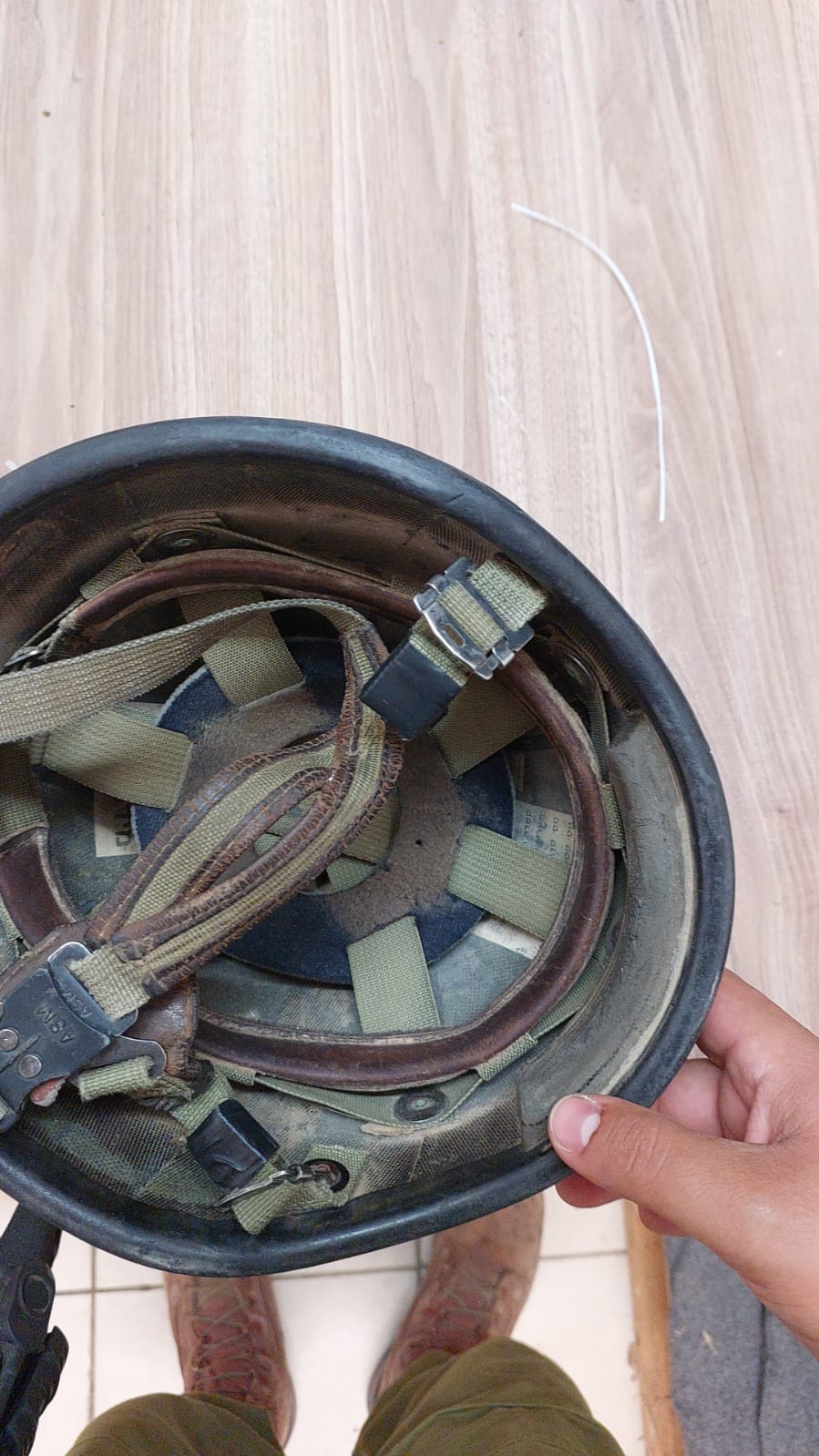
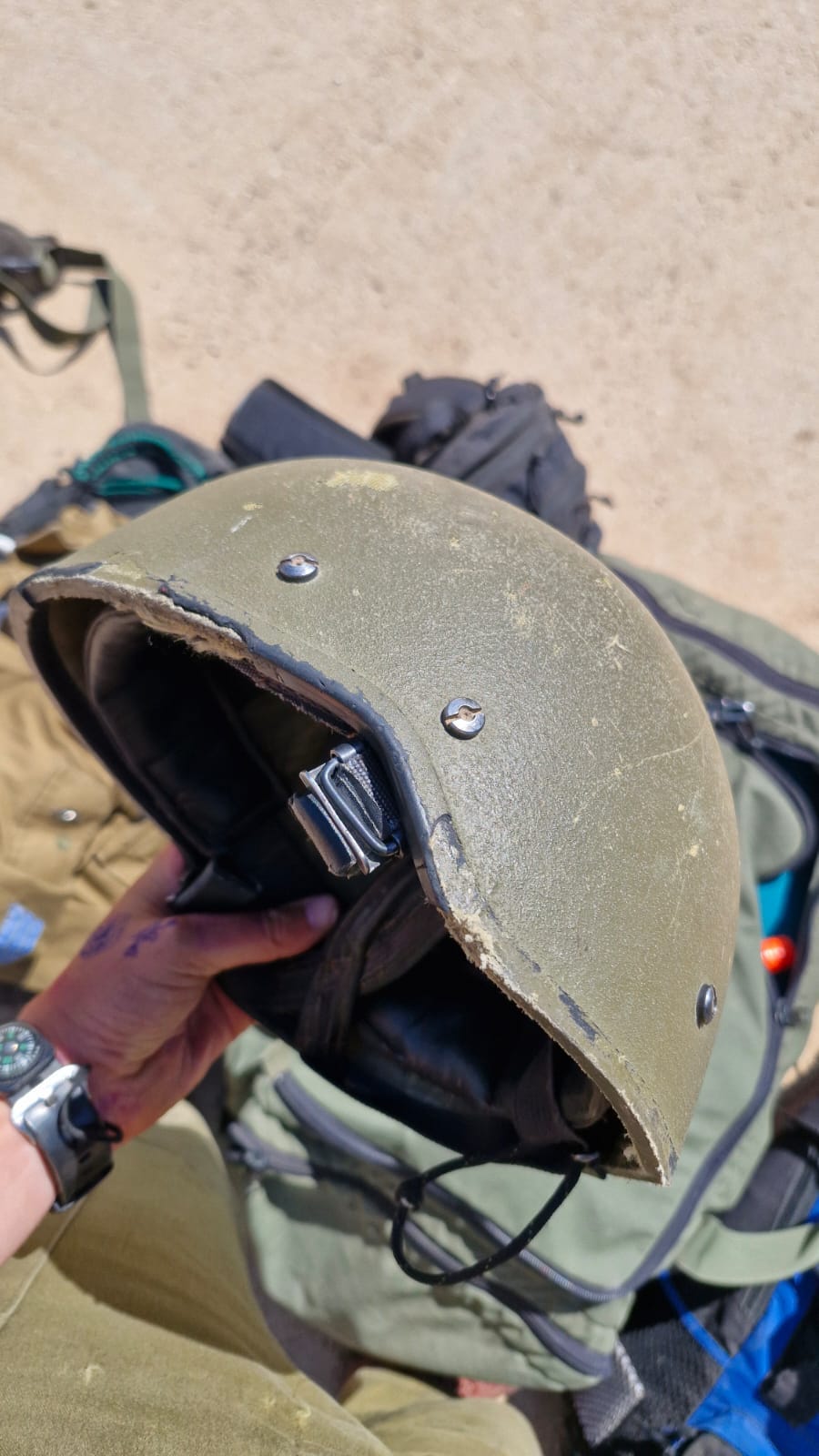
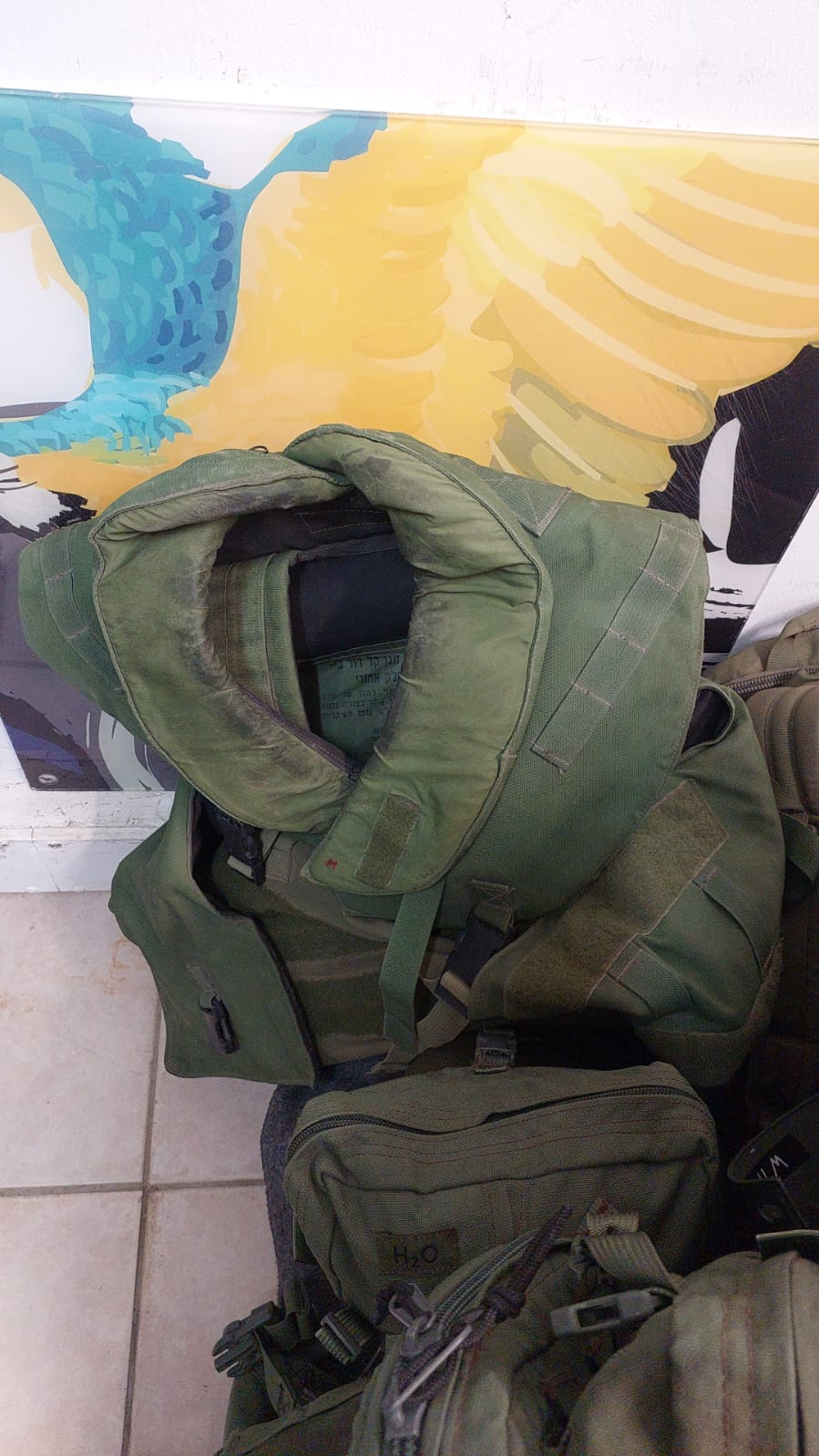
The undeniable fact remains that the IDF failed to adequately equip tens of thousands of soldiers. Numerous verified frontline reports have repeatedly exposed severe shortages of essential protective equipment, particularly helmets and vests. These critical shortages persisted for months, even within the regular ranks of the army, revealing systemic logistical failures. Claims of universal availability are at best uninformed, and at worst deliberately deceptive.
Moreover, the IDF’s effort to project strength and control does not automatically reflect reality. Documenting that every soldier has a helmet "on paper" means little if those helmets fail to meet contemporary safety standards. Yet, this issue remains squarely outside FIDF’s humanitarian mission, rendering it completely inappropriate for the organization's CEO to comment as though he is an authority on the matter.
FIDF and its supporters' attempts to undermine legitimate IDF equipment needs are not only misguided but laughable. If asked to fund a playground in Kibbutz Beeri, FIDF would rightly decline without commenting on the playground's necessity. Similarly, FIDF must avoid commentary on military equipment if they cannot contribute directly to solutions. Rather than attempting to discredit real, documented needs, FIDF should concentrate on their genuine humanitarian contributions.
Citing senior military officials such as Major Generals Tamir Yadai and Nadav Padan, and Chief of Staff Eyal Zamir as evidence that everything is under control does not inherently address the real problems reported by soldiers. Many of these very individuals were involved in the systemic failures preceding the devastating events of October 7th, significantly undermining their credibility on this issue.
Arguments that reduced fatality rates from previous conflicts justify dismissing current equipment shortages are similarly flawed. It is obvious that proper gear directly contributes to reducing fatalities. The comparison is as irrelevant as noting fewer deaths from car accidents in 2025 compared to 1975 without recognizing advancements in technology and safety standards.
Clearly stating that Steven Weil spread misinformation is neither self-serving nor an attempt to dismantle FIDF. Quite the contrary—I want FIDF to excel at their actual humanitarian mission. They should refrain from commenting on areas beyond their stated scope. It is absurd to suggest that urging a nonprofit organization to avoid misinformation is self-serving. Thousands of individuals volunteered freely to support IDF soldiers in need, while Rabbi Weil remains the only paid individual in this discussion.
FIDF should remain sharply focused on what it does best and completely avoid matters beyond its stated humanitarian role. True support demands transparency, humility, and a clear recognition of one's limitations—not inappropriate commentary, misinformation, or deflection.
I invite any representative of FIDF to submit a response that I will publish in full and/or join me on my podcast for a live, unedited discussion so the public can judge for themselves.