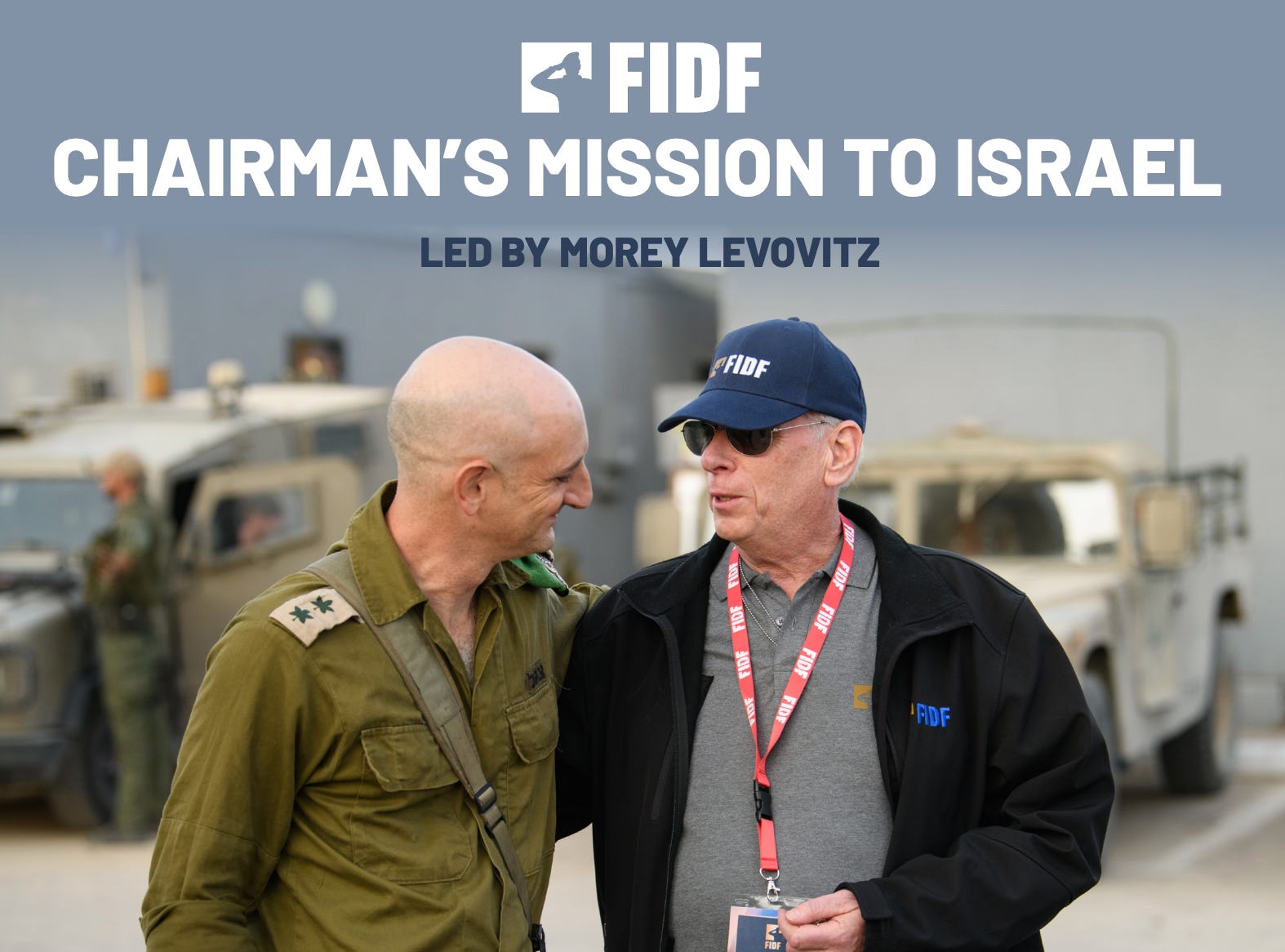
There are spectacles of excess that test the limits of taste and decency, and then there is the 2025 FIDF Chairman’s Mission to Israel. Described as an "immersive journey into the heart of the IDF," this sojourn for elite donors is an extravagant display, astonishingly tone-deaf to the realities faced by soldiers and bereaved families. From cocktails to helicopter rides, it reads less like a respectful tribute to Israel’s defenders and more like a jet-setting tour of warzone Disneyland.
Consider the itinerary: private helicopter flights to IDF bases for "briefings," barbecues with soldiers in the Golan Heights, winery lunches in the Judean Hills, candle-lightings at the Kotel, and luxury overnight stays in Tel Aviv and Jerusalem. Each experience is meticulously curated not to showcase humility or solidarity with frontline soldiers, but rather indulgence for a privileged few. A helicopter ride, presumably at substantial cost, is not simply an extravagance—it's an absurdity. Since when have bereaved families and wounded soldiers become tourist attractions?
At the heart of this troubling extravagance stands Morey Levovitz, whose controversial leadership at FIDF has triggered internal turmoil and widespread distrust. Levovitz has reportedly assumed the CEO’s role without formal approval, marginalizing the official CEO and declaring openly, "I run the show." His leadership style includes hand-picking the management committee and extensively interfering in daily operations, raising severe governance concerns. Particularly contentious is Levovitz’s alleged favoritism towards Ortra, an Israeli travel company owned by a personal acquaintance, bypassing competitive bidding processes and thus exacerbating accusations of conflict of interest.
Furthermore, Levovitz has reportedly reimbursed himself around $53,000 in travel and hotel expenses, far exceeding the organization's own bylaws. His actions have spurred declining morale among employees, disillusionment among donors, and led to significant personnel issues, including the abrupt dismissal of FIDF’s longtime legal counsel.
The extravagant accommodations at high-end hotels such as the Hilton Tel Aviv and the Waldorf Astoria Jerusalem further underline this disconnect. Such excesses contrast starkly with the genuine needs of soldiers for body armor, medical supplies, or psychological support.
Moreover, the mingling of sorrow and opulence feels morally disorienting. The itinerary includes visits to the National Memorial Hall and Mount Herzl Military Cemetery, and even a potential meeting with the President of Israel. Yet these profound experiences risk becoming superficial checkboxes within an agenda more focused on luxury than meaningful engagement.
This mission offers donors a lesson—a masterclass on how to waste extraordinary sums of money in a manner utterly insensitive and disconnected from genuine needs. Donors enjoy private helicopter rides while many reservists are still awaiting reimbursements for using their personal vehicles for critical wartime logistical support. Levovitz’s unchecked power raises a critical question: Why is this man permitted to treat FIDF like his personal property, ignoring accountability and transparency? When, if ever, will FIDF return to prioritizing the actual, urgent needs of soldiers over lavish indulgences and unchecked ambition?