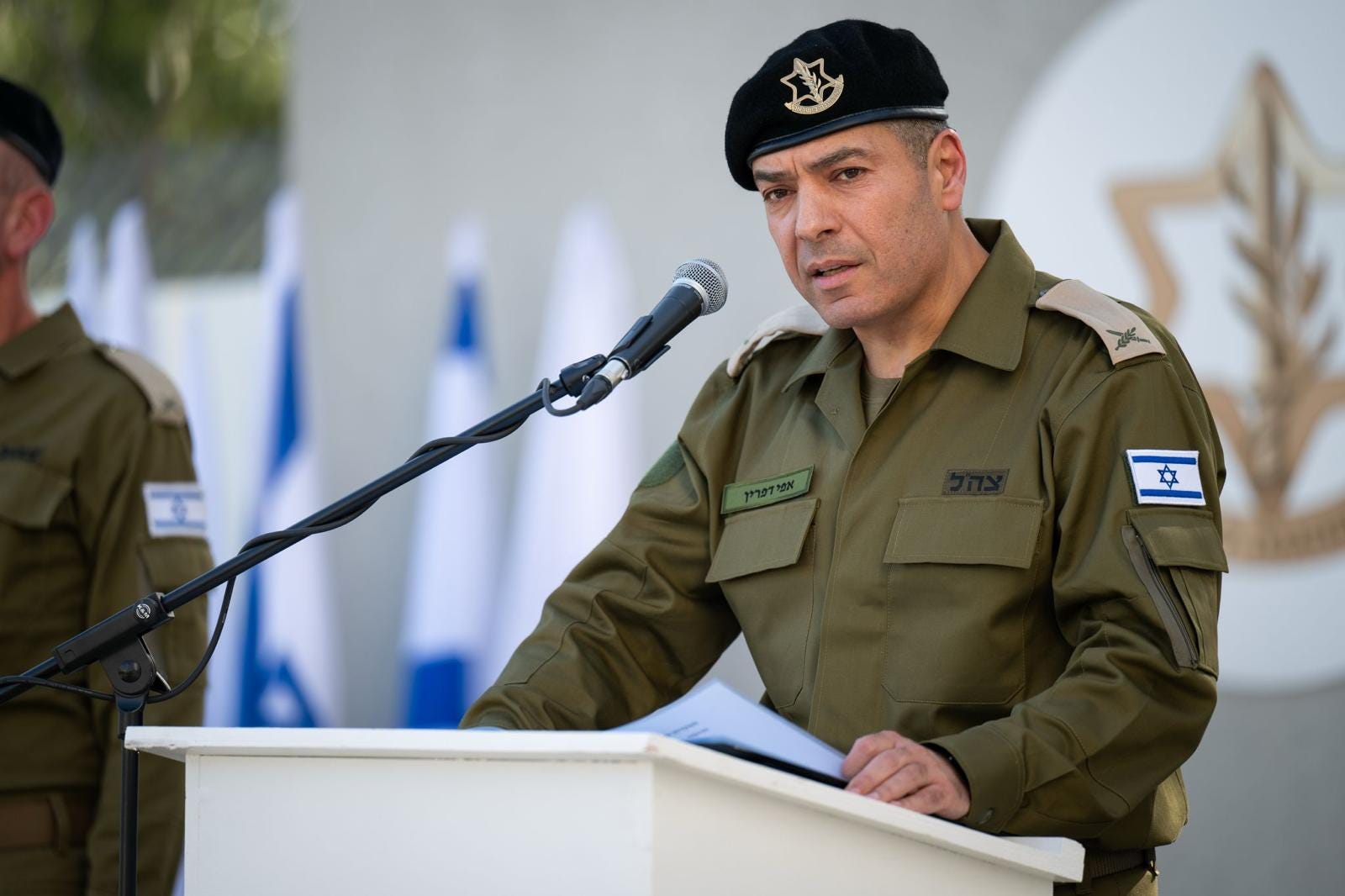
The IDF's messaging about starvation in Gaza has been disastrous. The statements have deviated from presenting verifiable facts and acknowledging global food insecurity and the factors behind Gaza's crisis into defensive denials or dismissive rhetoric. The defensive approach has given the moral high ground to adversaries while allowing them to control the narrative and alienating neutral audiences who expect candor from a military that claims to follow international law. The communications failure has resulted in damage to Israel's credibility at a time when clarity and moral authority are essential. I have drafted what the IDF, through spokesperson Effie Defrin, should have said to preserve both factual accuracy and strategic strength.
Good evening. I want to address questions regarding the humanitarian situation in Gaza, specifically concerning reports of food insecurity and starvation.
Food insecurity is a serious global challenge affecting hundreds of millions worldwide. This requires sustained international attention to address root causes.
Let me be clear: the Israel Defense Forces takes seriously our obligations under international humanitarian law. We are committed to facilitating humanitarian aid delivery to Gaza's civilian population and have consistently worked with international organizations to ensure assistance reaches those who need it.
However, we must be transparent about the root causes of Gaza's humanitarian crisis. Gaza has been under Hamas control for nearly two decades. Hamas has demonstrated repeatedly that it is not a humanitarian organization concerned with Palestinian welfare, but a terrorist organization focused on developing military capabilities to destroy Israel.
Gaza's humanitarian challenges did not begin on October 7th. For years before the current conflict, there were significant food security and basic service issues due to Hamas's priorities and governance failures. Instead of investing in infrastructure, healthcare, education, and food security, Hamas diverted resources toward building tunnel networks, manufacturing rockets, and developing military capabilities.
The facts from 2022 are clear. According to the World Food Programme, 64.3 percent of Gaza's population was already moderately or severely food insecure in 2022. The UN reported 81.5 percent lived below the poverty line. Most significantly, 80 percent of Gaza's population depended on international humanitarian aid to survive - more than a year before October 7th.
Unemployment reached 45 percent in 2022. In September 2022 alone, the World Food Programme supported 374,333 people in Gaza with food assistance. The WFP urgently required funding to avoid suspending aid to 180,000 vulnerable people.
These numbers demonstrate Gaza was experiencing a humanitarian crisis under Hamas rule long before the current conflict.
Hamas has consistently prioritized military objectives over Palestinian basic needs. They have used civilian infrastructure for military purposes, stored weapons in schools and hospitals, and diverted humanitarian aid for military use. These are documented facts reported by international organizations.
Since the current conflict began, the situation has become more challenging. War creates hardship, and we do not take lightly civilian suffering. However, moral responsibility lies with Palestinian leadership in Gaza that chose warfare over welfare, terrorism over governance, military infrastructure over civilian infrastructure.
Hamas had two decades to build a functioning society. Instead, they built a military machine. They could have invested in agriculture, water systems, power generation, and food distribution. Instead, they invested in rockets, tunnels, and terror infrastructure.
Israel made significant efforts to support Gaza's economy. Prior to October 7th, Israel provided tens of thousands of work permits to Gazans, allowing them to earn substantially higher wages than available in Gaza. Additional permits were scheduled, representing Israel's commitment to improving Palestinian economic conditions.
However, Hamas exploited this humanitarian gesture. They used the work permit system to gather intelligence on Israeli communities, map security arrangements, and prepare for the October 7th attack. Instead of building trust and economic cooperation, Hamas used permits for espionage and terror planning.
Our message to Hamas is clear: we will not allow this exploitation to continue.
The IDF continues facilitating humanitarian aid through multiple channels. We coordinate with dozens of international organizations. We have established humanitarian corridors and safe zones to protect civilians during operations.
The Gaza Humanitarian Foundation was created to ensure aid reaches Palestinians directly without Hamas control, diversion, or exploitation for military purposes. This ensures humanitarian assistance reaches those who need it most.
However, Hamas continues exploiting humanitarian aid for military purposes. They seize aid shipments, use humanitarian facilities for military operations, and prevent aid from reaching vulnerable populations when it serves their tactical interests.
The international community must recognize that lasting solutions to Gaza's humanitarian challenges cannot be achieved while Hamas remains in control. An organization that spent twenty years prioritizing military capabilities over basic human needs cannot become a responsible governing authority.
Gaza's people deserve better leadership. They deserve leaders who prioritize basic needs, children's education, healthcare, and economic development. They deserve leaders who choose construction over destruction.
Israel's mission to remove Hamas goes beyond protecting Israeli citizens. We recognize removing Hamas will benefit Palestinian civilians who suffered under their rule for two decades. By dismantling this terrorist organization, we give Palestinians a chance at a better future - where resources are invested in welfare rather than weapons, where children grow up in schools rather than being recruited for violence, where leaders prioritize prosperity over conflict.
Hamas's removal creates opportunity for new leadership that will genuinely serve Palestinian interests.
The IDF will continue operating according to international law and facilitating humanitarian aid during military operations. However, we cannot ignore that Gaza's current humanitarian crisis results directly from Hamas's choices over two decades.
The path forward requires honest acknowledgment of these realities. It requires the international community to hold Hamas accountable for governance failures and deliberate prioritization of military objectives over civilian welfare.
Until such leadership emerges, Palestinians will continue suffering under the cruel hand of terrorists who deny Gaza's people any humanity, and responsibility for that suffering remains with Palestinian leadership that chose to perpetuate it.
We will continue acting as long as necessary to accomplish our mission, as defined by the political level.
Thank you.