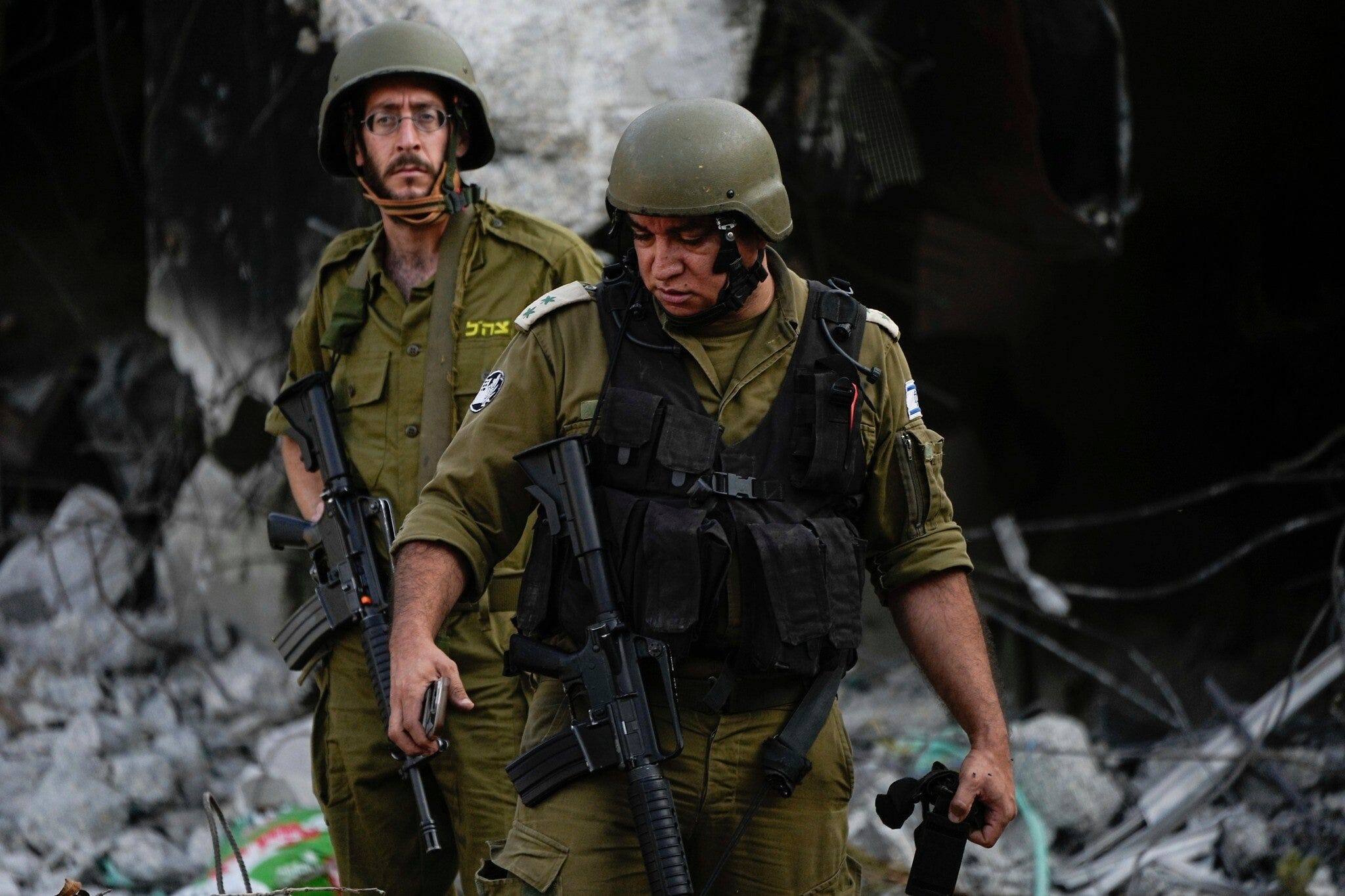
"Who is being harmed?" asked an IDF official recently, defending military leadership amid disputes over officer promotions. "Brigade commanders who fought in Gaza at the height of the operation, who were wounded and lost soldiers. It harms officers who gave everything during the war, whose families bore the full brunt, almost broke apart — and the least we can give them is certainty about their near future."
The question reveals an unintended irony. Who is being harmed? Anyone paying attention since October 7, 2023 knows the answer. Soldiers have been harmed, physically and financially, by a Ministry of Defense that sent them into battle without proper equipment, then denied problems existed when they begged for help.
No responsibility is more fundamental for a defense ministry than ensuring soldiers possess basic equipment to survive and fight. Not grand strategy or technological innovation: elementary military logistics, old as organized warfare itself. Yet when Hamas breached Israel's southern border on October 7, Israeli soldiers found themselves desperately lacking the most basic necessities: body armor, helmets, communications equipment, even underwear and toilet paper. The man at least partially responsible for this catastrophic failure was Eyal Zamir, then Director General of Israel's Ministry of Defense.
The Ministry failed its soldiers on October 7th. It continues failing them today. And the man who presided over this failure has been rewarded with promotion to the military's highest office.
Consider the scope of institutional betrayal. Soldiers requested "everything you can imagine from vests to knee protectors to helmets to flashlights to underwear to toilet paper to food to beds to tents." Not luxury items or advanced technology: desperate pleas for basics any competent logistics system should provide as routine. That civilians organized supply drives to equip their own military speaks to dysfunction bordering on criminal negligence.
Most damning is what happened next. Rather than acknowledge catastrophic failure or take responsibility for sending soldiers into battle without proper equipment, the defense establishment closed ranks and denied problems existed.
The institutional mindset enabling this betrayal was laid bare by former IDF general Udi Adam, who previously served as director general of the Ministry of Defense. Confronted with evidence of equipment shortages, Adam dismissed soldiers' concerns with breathtaking callousness: "I know the system and I was also the director general of the Ministry of Defense: there is a shortage of equipment that people want – one received an old vest, so he says he doesn't have one, but there is really no shortage – neither food nor equipment."
This Orwellian logic deserves surgical precision in its dismantling. An old vest that cannot stop bullets isn't equipment. It's a death sentence with bureaucratic paperwork. When former Ministry officials dismiss legitimate concerns about degraded, obsolete equipment as mere preference, they reveal institutional culture valuing bureaucratic convenience over soldier survival.
Eyal Zamir was part of this denial culture. As Director General, he presided over a system sending soldiers into battle without proper equipment, then denied problems when those soldiers begged for help. The timeline speaks volumes: October 7, 2023, catastrophic equipment failures under Zamir's watch. March 2025, Zamir promoted to IDF Chief of Staff. Sixteen months from institutional failure to institutional reward.
This isn't merely failed accountability. It's active betrayal of soldiers depending on the Ministry of Defense for survival. When military leaders can preside over such catastrophic failures and receive promotions, what message reaches soldiers in the field? What incentive exists for future officials to prioritize soldier welfare over bureaucratic self-preservation?
Zamir's background makes this particularly inexcusable. As a career armored corps officer commanding the tank-heavy 36th Division, he understood better than most the critical importance of proper equipment and supply lines. His experience as Military Secretary to the Prime Minister gave him intimate knowledge of defense decision-making. No excuse of ignorance or inexperience applies.
The Ministry had already become enamored with what analysts termed "the cult of technology," believing sophisticated systems could compensate for basic logistical competence. Zamir simply perpetuated this delusion. The result? A military coordinating complex air strikes but unable to ensure soldiers had functional body armor. This represents not just failed priorities but fundamental misunderstanding of military readiness requirements.
You can't calculate the human cost in spreadsheets or procurement reports. Instead, measure it in soldiers who died because their equipment failed them. Count the civilians who perished while military units sat paralyzed, waiting for supplies that should have been there from the start. Think about the families destroyed while Israel's defense establishment patted itself on the back for technological sophistication.
When IDF officials ask "Who is being harmed?" they should already know the answer. Soldiers have been physically harmed by inadequate equipment. They've been financially harmed, forced to buy their own gear. And they've been institutionally betrayed by a system that rewards failure instead of accountability. The Ministry failed soldiers on October 7th in three ways: sending them into battle without proper equipment, denying there were problems when they begged for help, and then promoting the man at least partially responsible instead of holding him accountable.
What's most damning? It's still failing them today. The message couldn't be clearer: soldier welfare comes second to bureaucratic self-preservation. Institutional failure gets rewarded, not punished. The lives of those who serve are expendable to those who command.
So here's the real question: Does anyone in the Ministry of Defense or IDF leadership have the guts to stand up and stop these games? Is there even one official willing to break ranks and demand accountability for equipment failures that have cost soldiers their lives? Will anyone step forward and say that sending soldiers into battle without proper gear is unacceptable, no matter how convenient it might be for bureaucrats or career climbers? Or will this culture of denial and self-preservation just keep rolling along, guaranteeing that the next October 7th finds Israeli soldiers just as unprepared and unprotected as they were the last time?