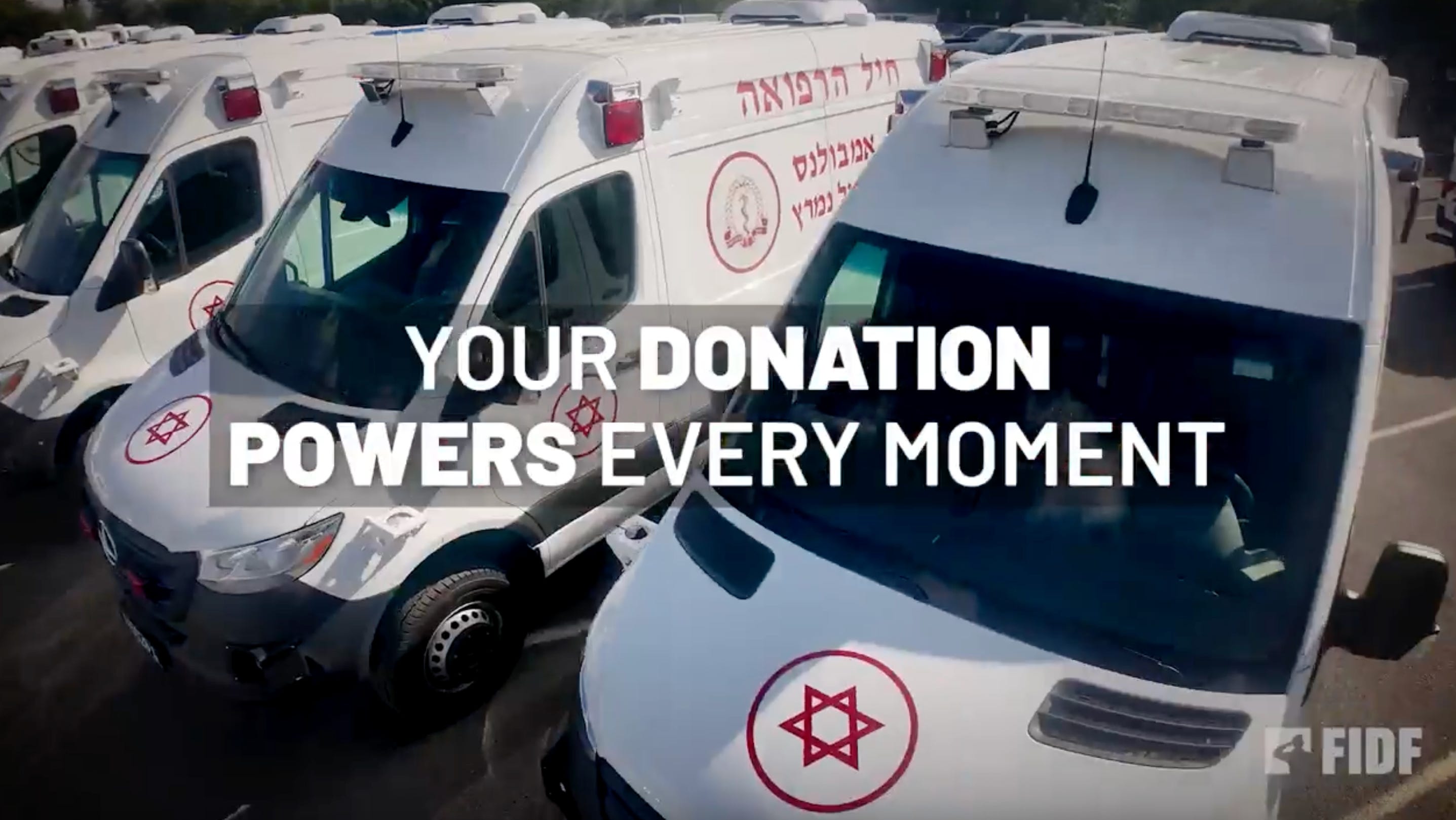
There is an unmistakable irony embedded in the recent Friends of the Israel Defense Forces (FIDF) promotional video (below)—so stark it might be humorous if it weren't profoundly troubling. The slick production, complete with dramatic music and emotional appeals, positions FIDF as a crucial lifeline for Israeli soldiers, suggesting they're diligently supplying essential frontline resources. However, reality tells a notably different story.
Behind the compelling imagery of battle-hardened troops lies the less glamorous truth: candy bags, flip-flops, and mouthwash distributed with an enthusiasm that would suggest these items fulfill a critical combat need. CEO Steven Weil explicitly insists FIDF addresses soldiers' "needs" rather than "wants." This stance becomes baffling when candy and comfort items clearly fall into the latter category. If FIDF isn't permitted to deal directly with gear procurement, as Weil claims, their promotional depiction as embedded frontline providers is misleading at best.
If FIDF truly cannot handle gear procurement, they should stop obsessively portraying themselves as frontline operatives. It is undoubtedly noble and commendable to support soldiers battling PTSD, to comfort widows, and to provide care for orphans. These important tasks require no exaggeration. FIDF would do better to authentically communicate their genuine contributions rather than inflating their role to unrealistic proportions.
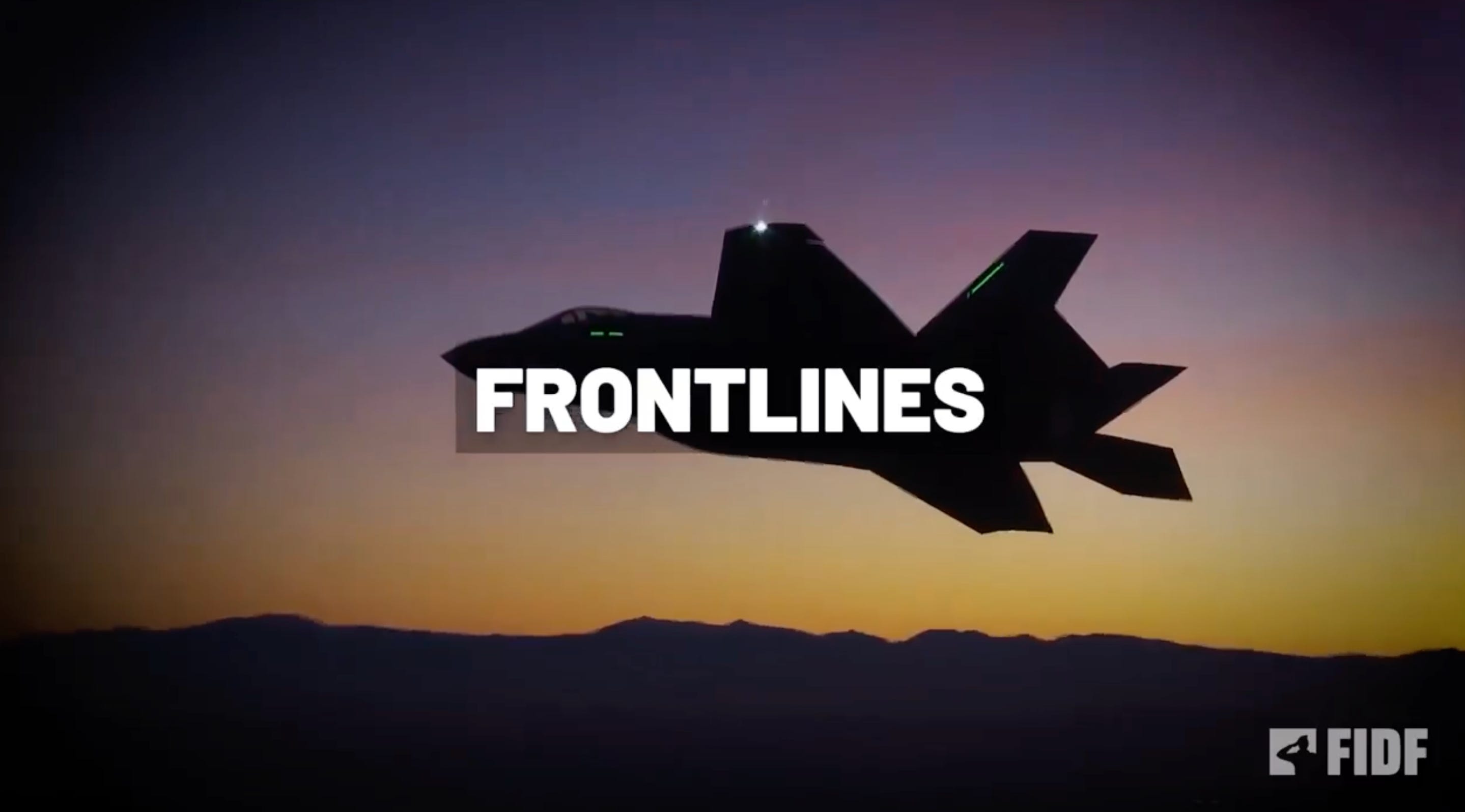
Adding to the egregiousness, the video boldly proclaims, "your donation powers every moment," immediately cutting to footage of a plane soaring through the air with the caption "frontlines." This stark misrepresentation borders on marketing malpractice, implying that donor contributions directly fuel critical military operations rather than funding relatively trivial comfort items.
Weil and FIDF’s claims regarding equipment represent a slap in the face to soldiers who have served for extended periods under difficult conditions. Consider Master Sergeant Nadav Knoller, whose final Facebook post before falling in Gaza was a plea for donations to acquire necessary combat equipment. Knoller and his battalion had served more than 150 consecutive days, explicitly requesting civilian support for their genuine battlefield needs.
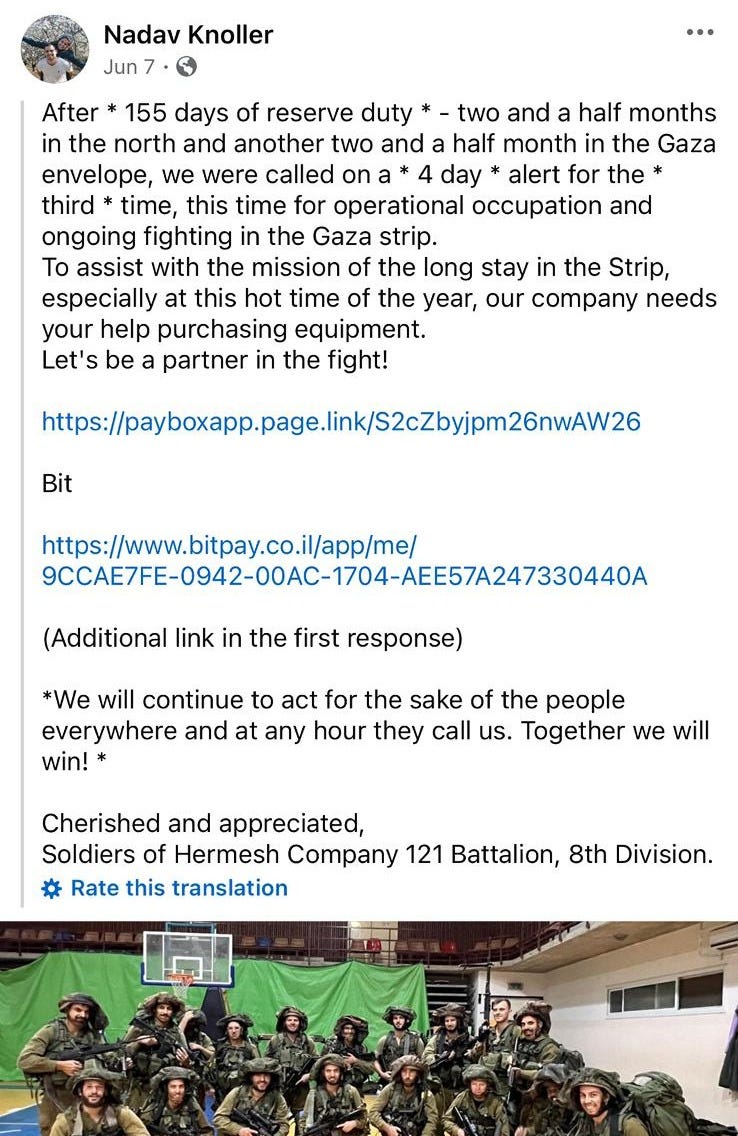
FIDF's credibility suffers significantly from this glaring contradiction. Viewers are emotionally manipulated to support urgent, life-and-death scenarios, but the behind-the-scenes reality resembles a summer camp care package more than critical battlefield support. This inconsistency raises questions about accountability and transparency. Donors deserve clarity about whether their contributions directly aid essential survival requirements or merely subsidize peripheral comforts.
Ultimately, FIDF’s recent promotional video represents nonprofit theatrics at their worst—priorities misplaced under the guise of compassionate care, risking real lives for symbolic gestures. Such consistently misleading advertising inevitably raises troubling questions about what FIDF might be hiding in terms of excess costs and misuse of funds. Why, one must wonder, do they continually find it necessary to stretch the truth?