


In the unmistakably clinical language of public relations, Friends of the IDF (FIDF) has effectively acknowledged the severity of the allegations raised by YNET’s recent investigative report. Though couched in terms of corporate responsibility, the organization's response makes one thing abundantly clear: there is substance behind the headlines, and the troubles run deep.
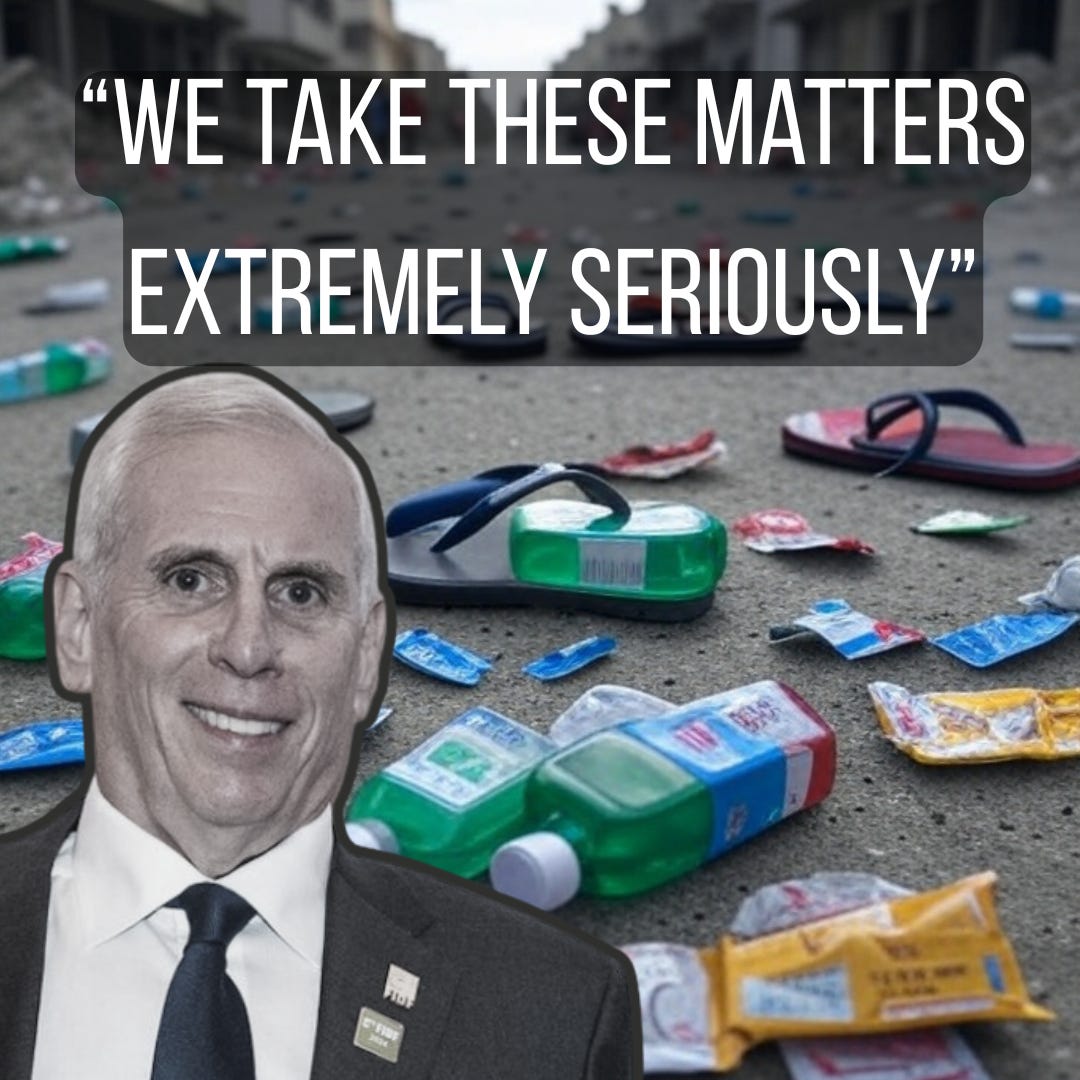
"We take these matters extremely seriously," the official statement insists. And yet, seriousness now arrives conspicuously late, well after FIDF’s inner workings were publicly exposed. The admission, however diplomatically phrased, confirms what the report meticulously documented—profound issues of governance, questionable financial allocations, and a troubling internal culture. Indeed, rather than deny the allegations or dismiss them as minor grievances exaggerated by the media, FIDF’s leadership acknowledges the validity of the accusations, implicitly conceding the accuracy and gravity of the YNET story.
Their response, albeit belated, offers a glimmer of accountability. "Our board and leadership team are actively evaluating and addressing the concerns raised," they assure, indicating an internal reckoning already underway. But accountability, to be credible, demands transparency beyond general reassurances. Promises of reforms and investigations must now yield tangible action, lest these statements become yet another exercise in institutional damage control.
Most poignantly, FIDF highlights the urgency of their mission, underscoring that they've transferred more funds to IDF soldiers "than at any point in our organization’s history." Yet, this extraordinary effort only magnifies the gravity of the mismanagement alleged. Precisely because the stakes are so high, even minor lapses become intolerable. The significant inflow of resources demands rigorous stewardship, not simply more vigorous fundraising.
FIDF’s acknowledgment of their problems represents a critical first step. It signals a necessary but insufficient willingness to address institutional shortcomings. The true measure of their sincerity will lie not in carefully crafted press statements but in meaningful reforms, clear accountability, and demonstrable improvement in governance. Until then, trust remains fragile—earned slowly, lost swiftly, and rebuilt painstakingly. FIDF has admitted to the world that its house is not entirely in order. Now comes the harder task: cleaning it up.

I have dozens of friends who donate fortunes to FIDF. I have always said what you are saying. These friends have asked FIDF their responses are 2 fold: 1. It’s illegal under US law to provide things like helmets (not true IMO) and 2. That they simply do what the IDF wants and the IDF is not asking for those (lifesaving) items. Thoughts?