


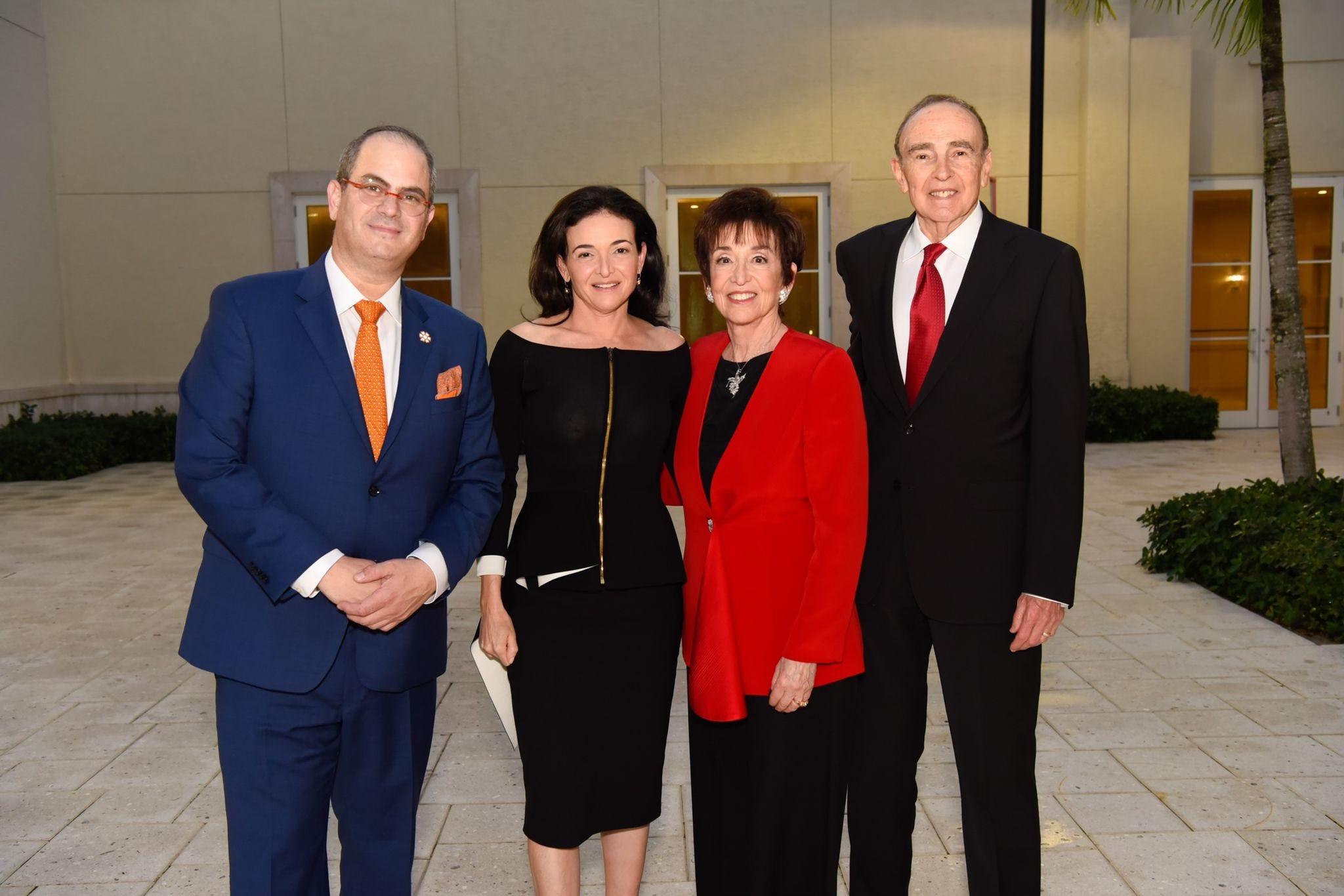
When Joel and Adele Sandberg sat down with Eli Beer, the founder of United Hatzalah, they were presented with a story. Like many philanthropists considering a major gift, they wanted to understand the differences between United Hatzalah and Magen David Adom, Israel’s official national emergency service. According to Nachman Seltzer’s book 90 Seconds, Beer described United Hatzalah as indispensable and unique: a volunteer corps of ambucycle riders reaching every emergency in ninety seconds, offering free treatment without charging a shekel, and arriving first to the scene more often than anyone else. Inspired by this picture, the Sandbergs decided to donate an ambulance to United Hatzalah.
The difficulty is that several of the statements recorded in the book do not align with the established role of Magen David Adom or with available data about Israel’s emergency system.
Beer is quoted as saying “Magen David Adom is essentially an ambulance company.” This description does not reflect MDA’s actual mandate. By law, MDA is Israel’s official national EMS authority, responsible for the 101 emergency hotline, national disaster response, paramedic training, blood services, and the country’s largest ambulance network. Reducing MDA to “an ambulance company” appears to minimize its statutory role and presents a picture that does not match its full responsibilities.
The claim that United Hatzalah tries to reach “every emergency in ninety seconds” also raises questions. No EMS system in the world has been shown to sustain such a response time nationwide. National data indicates that in roughly 93 percent of cases the first responder to arrive is not a United Hatzalah volunteer but an MDA medic, paramedic, or another professional dispatched through the official national system. The ninety-second figure, while powerful as a slogan, does not appear to reflect a verifiable nationwide average.
Seltzer’s book also attributes to Beer the statement that “unlike any other ambulance company in Israel, we don’t charge patients for our services.” This framing may create confusion. United Hatzalah does not operate the 101 line and does not handle most ambulance transports. Patients who require hospitalization are overwhelmingly transported by MDA or licensed private companies. These services do involve regulated charges, but they are usually covered by Israel’s health funds or supplemental insurance. Suggesting that MDA burdens patients while UH alone is altruistic risks oversimplifying how the system actually works.
Even the claim that “ambulances provide the most effective training for our volunteers” does not reflect the broader training landscape. MDA operates the national EMT and paramedic training pipeline. While UH volunteers may gain field experience, training authority rests with MDA.
Seen together, the account presented to the Sandbergs reads less like a careful comparison and more like a narrative crafted to emphasize United Hatzalah’s uniqueness. That is precisely the concern with 90 Seconds. The book contains dozens of dramatic accounts, but many appear embellished or incomplete when measured against independent reporting or official data. They function as inspirational fundraising stories rather than neutral documentation.
And this raises another question: when Beer presented his version of events to the Sandbergs, were they also made aware that in 2021 the Tel Aviv District Court ruled that Beer and United Hatzalah had engaged in a coordinated defamatory campaign against Magen David Adom, ordering them to pay damages for a smear effort that included slogans such as “MDA’s monopoly kills”? If not, donors were receiving only one side of the story, without knowing that a judge had already found some of United Hatzalah’s past public claims against MDA to be false and damaging.
This matters not only for the Sandbergs but for all readers of 90 Seconds who are later approached to contribute. When they encounter these stories, they may understandably come away believing that United Hatzalah is the sole or primary lifeline in Israel’s emergency landscape. The reality is more complex. MDA remains the backbone of Israel’s national EMS, and United Hatzalah supplements that system but does not replace it.
The essential question is whether donors are being provided with the full and accurate picture when they read such stories. If not, the issue is not about one family or one book but about the standards of transparency that should guide all charitable appeals. Donors deserve clarity. The public deserves accuracy. And Israel’s emergency responders deserve recognition that reflects reality rather than myth.
Do you live in Israel? MDA ambulances charge for services here. You only aren't charged if you are hospitalized. So if someone calls an ambulance and the hospital decides not to admit the person, you are charged. They even charge you if you appear to be in distress, a stranger calls the ambulance, and you choose not to use it. They charge less, but they still charge. United Hatzalah ambulances are providing a free service that people would be charged otherwise.