United Hatzalah’s international financial footprint continues to prompt reasonable questions about transparency and reporting. On its 2023 IRS Form 990, Friends of United Hatzalah Inc. reported $132,247,225 in grantmaking abroad, all directed to the Middle East and North Africa region — understood to mean Israel. These grants were itemized as four disbursements under the category of medical or charitable support.
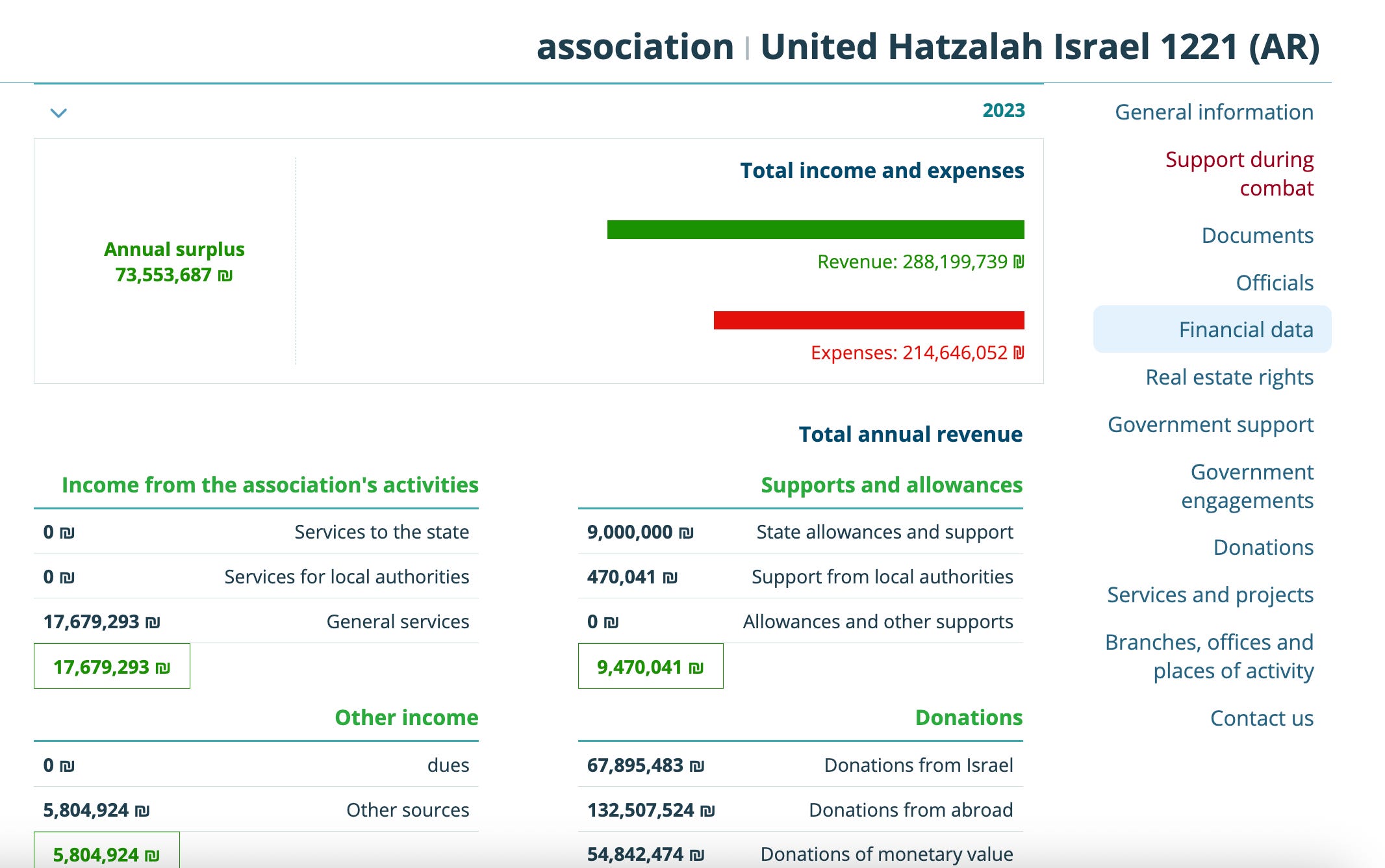
At the same time, the flagship Israeli amutah, United Hatzalah of Israel (ע"ר 580465979), reported just $77.8 million in revenue, $57.9 million in expenses, and a $19.8 million surplus. That leaves more than $54 million unaccounted for in the Israeli filing, even before considering the reported surplus. To the best of my knowledge, based on publicly available records, no explanation has been offered that reconciles these divergent figures.
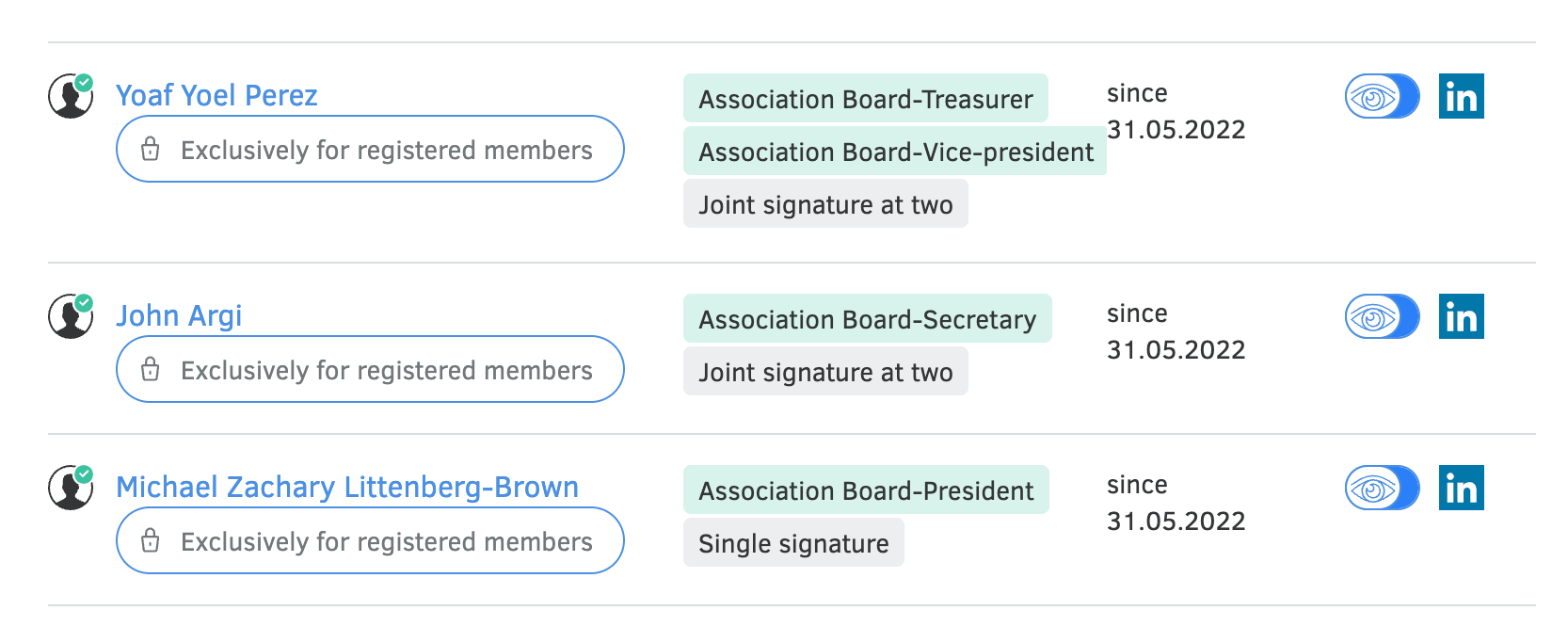
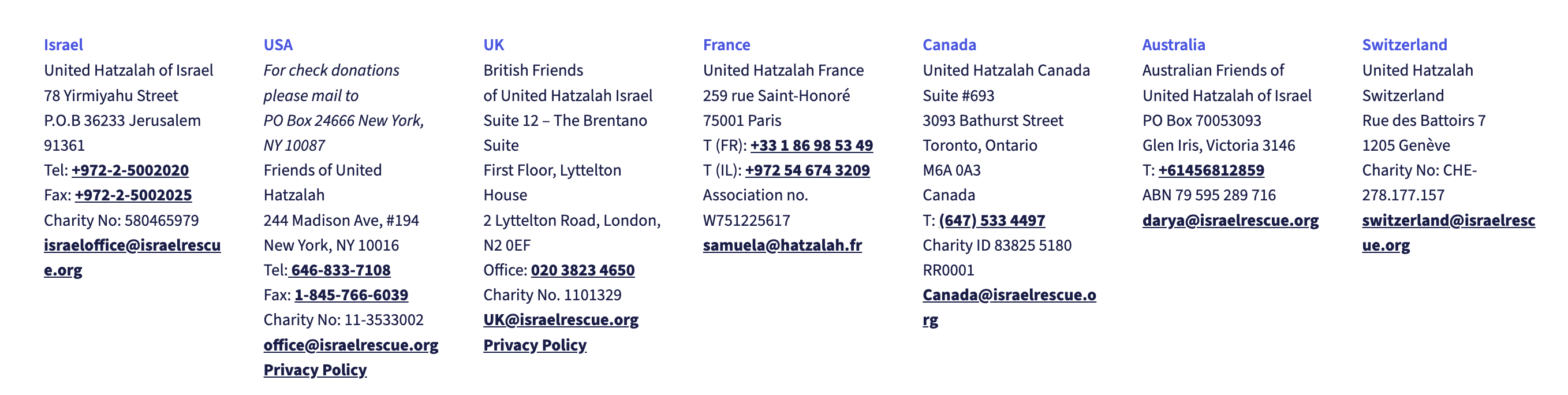
The organization’s own website complicates the picture further. It lists a range of separate national entities — Friends of United Hatzalah in the U.S., British Friends in the UK, United Hatzalah France, United Hatzalah Canada, Australian Friends of United Hatzalah, and United Hatzalah Switzerland (UID CHE-278.177.157). Each carries its own registration number, fundraising apparatus, and regulatory regime (we are working on a series of articles on how much money was raised via these organizations. We are also conducting an in-depth investigation into wills and bequests which will be published soon). Reasonable questions arise: if the U.S. entity reported sending $132 million to Israel, but the Israeli amutah reported receiving only $77.8 million, where was the balance directed? Was some portion allocated to other Israeli amutot connected to United Hatzalah? Were funds routed through related associations abroad, such as the Swiss entity, whose filings are not publicly available unless certain thresholds are triggered?
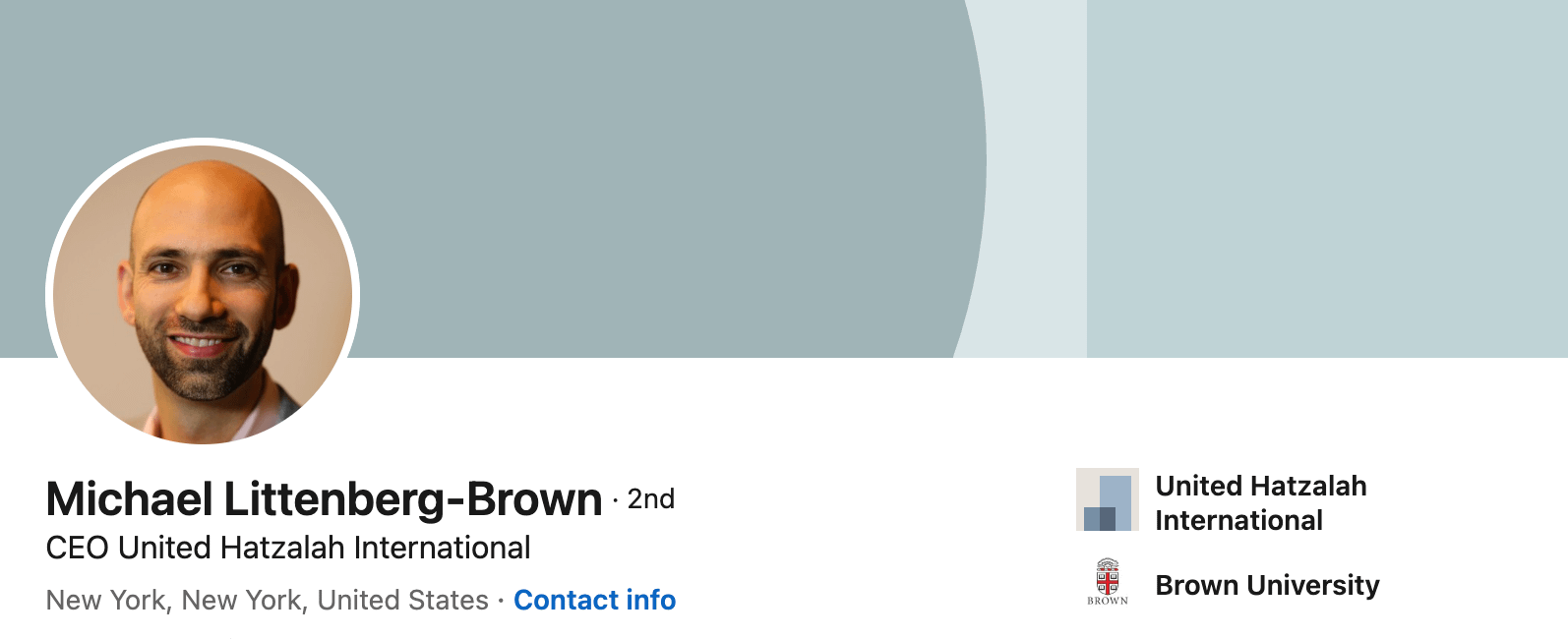
Leadership designations add another layer of uncertainty. On LinkedIn, Michael Littenberg-Brown identifies himself as CEO of “United Hatzalah International.” Yet that entity does not appear on the organization’s website alongside the national charities. Is “United Hatzalah International” a formal legal body? A newly established umbrella organization? Or simply an internal description of his global role? Without clear public filings, the structure remains difficult to understand.
These are not accusations; they are questions. Volunteers who risk their lives deserve full admiration, and donors who contribute deserve confidence that funds are tracked with precision. If transparency is a declared value, then providing a reconciliation of U.S. grantmaking figures with Israeli revenues — and clarifying the role of other amutot and international associations — would go far in strengthening trust. In the realm of philanthropy, clarity is not a burden; it is the most effective safeguard.